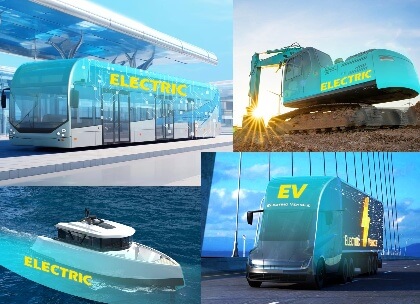
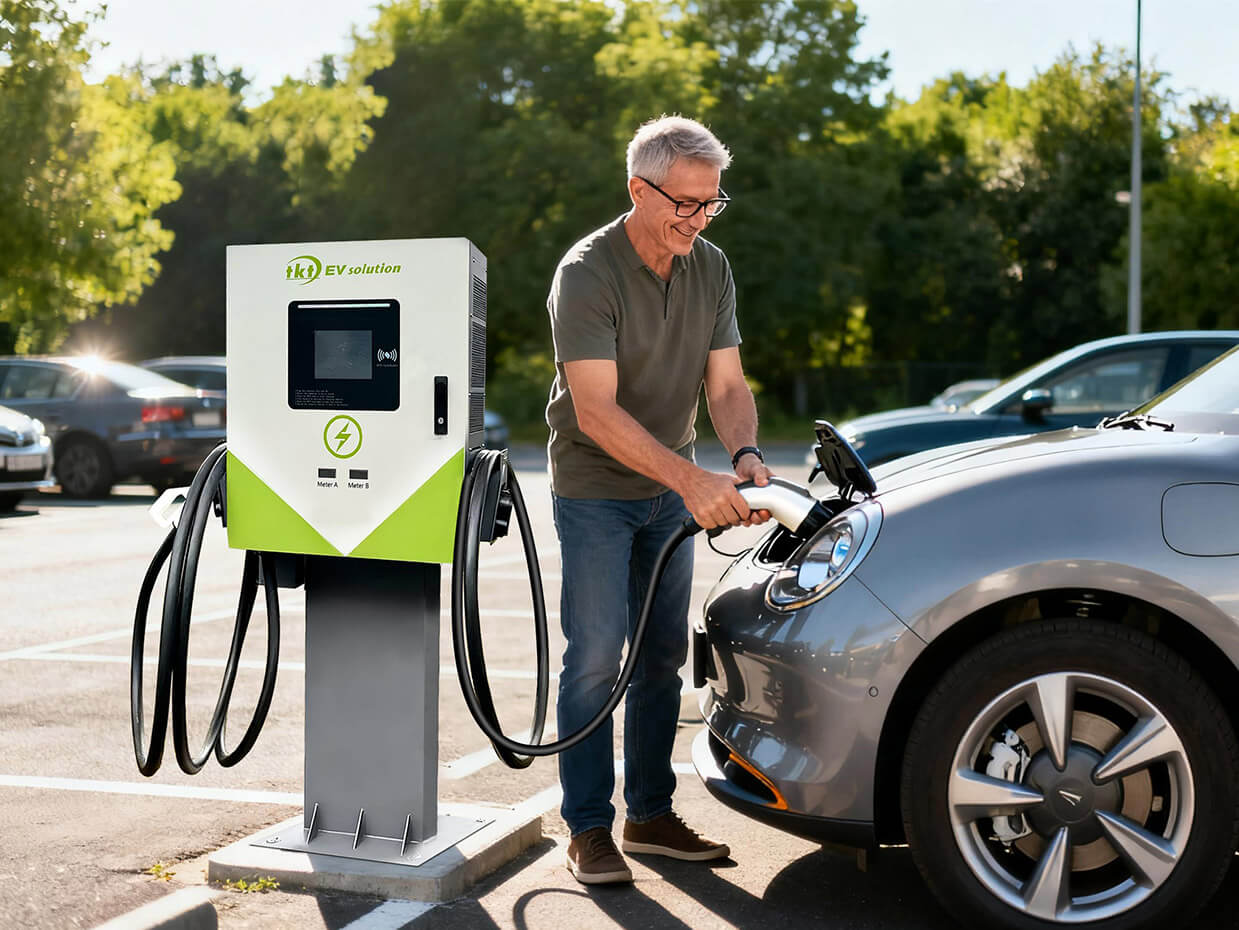
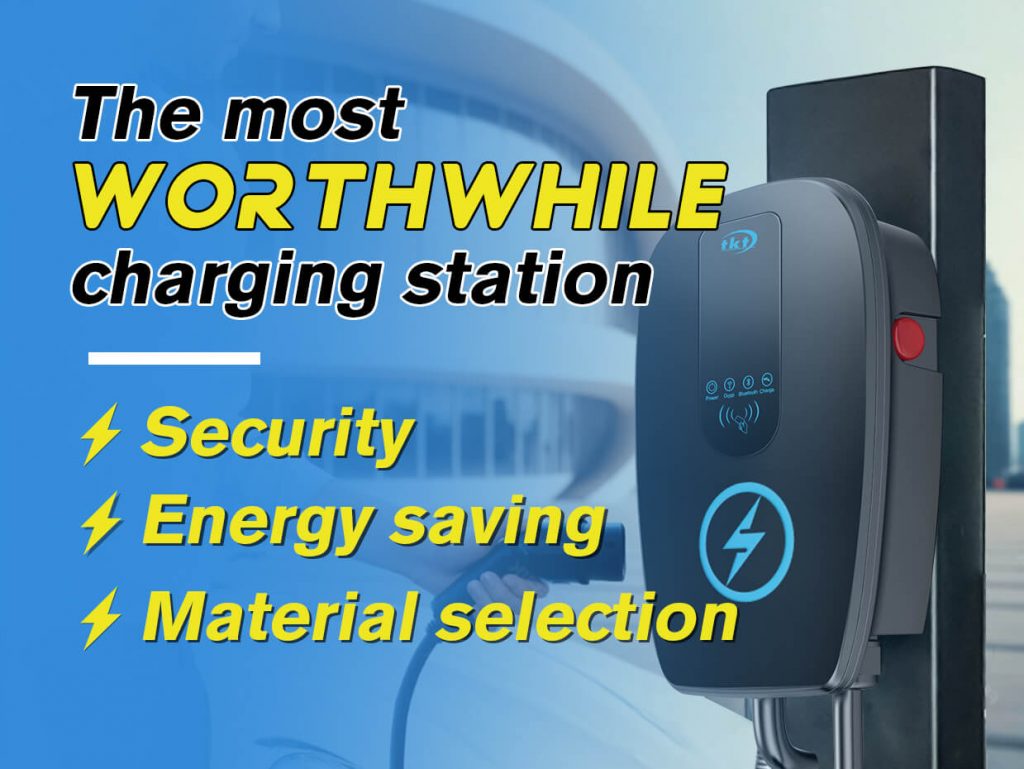
With the rapid development of electric vehicles in the global market, the demand for charging equipment is growing day by day. As part of the electric vehicle ecosystem, the quality of EV car chargers directly affects vehicle performance, battery life, and user safety. Safe and efficient electric car chargers are key to ensuring the safety of vehicle batteries and performance. TKT EV chargers, with their outstanding quality and technological innovation, are becoming one of the most worthwhile electric vehicle chargers for electric vehicle owners worldwide. Learn what makes the best EV car charger.
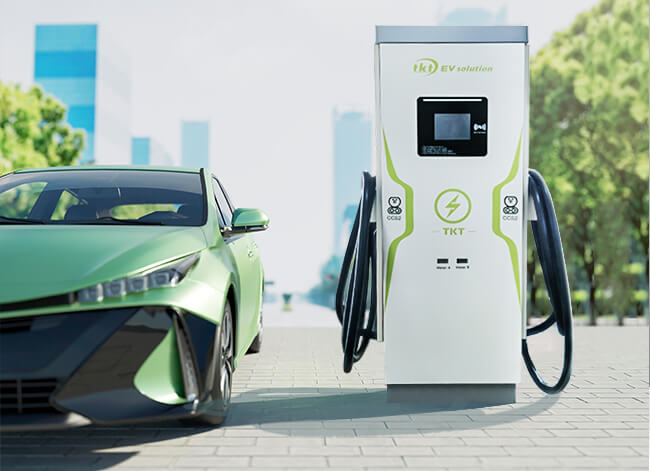
The core difference between AC chargers and DC chargers lies in the location of current conversion and charging efficiency. AC EV chargers convert AC power to DC power via an onboard charger before charging the battery. These chargers typically have a power rating of 7-22 kW and are suitable for home and public slow-charging scenarios. DC EV chargers have built-in AC-DC conversion modules, directly outputting high-voltage DC power from the charging station into the battery. These EV chargers typically have a power rating of 30 kW to 240 kW, capable of charging 80% of the battery capacity in 30 minutes. They are suitable for commercial settings, highways, gas stations, etc. DC charging is faster, but the corresponding equipment costs and installation requirements are higher.
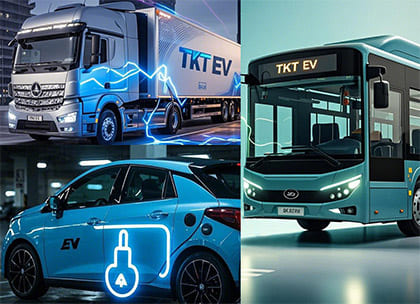
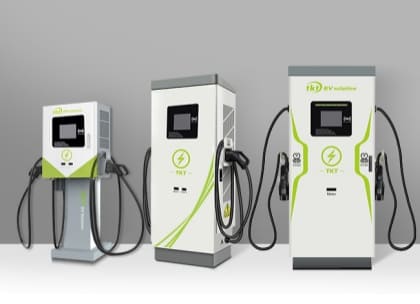
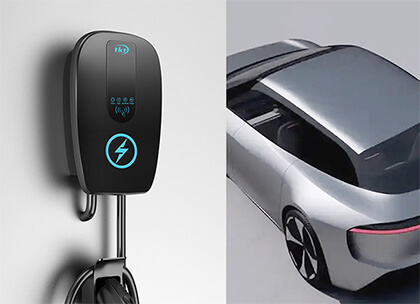
TKT offers a full-scenario solution ranging from 7 kW home chargers to 240 kW commercial fast chargers. These are compatible with various vehicle types, such as electric cars, electric buses, and electric trucks. This can meet diverse needs such as home use, highway service areas, and commercial complexes.
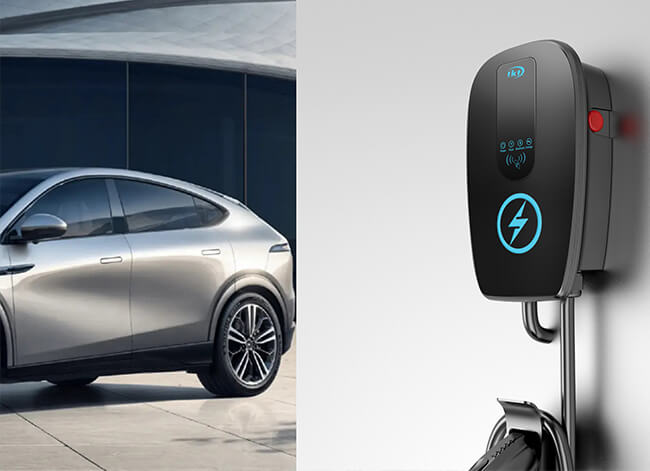
An electric vehicle charging station is a sophisticated power conversion and management system. An AC charging station is essentially a smart control system that primarily provides power output control functionality. A DC charging station is more advanced, as it must not only provide power output control but also perform precise power conversion.
When the EV charging station is operational, it first performs detection and safety verification on the connected vehicle to ensure proper connection. It then communicates with the vehicle to exchange battery parameters and charging requirement information. Following this, output control is initiated to deliver the voltage and current that the vehicle can accept.
1. Power Connection: Connect to the power grid (220V/380V) and filter power fluctuations through multiple professional modules to ensure stable output.
2. Intelligent Allocation: Automatically match AC/DC modes based on vehicle communication requirements, with an integrated BMS (Battery Management System) for real-time monitoring of battery status.
3. Energy Conversion
AC charging stations rely on onboard chargers to convert current;
DC charging stations have built-in power modules that directly output high-power DC electricity.
1. Safety Protection: Multiple safety features including lightning protection, over-temperature protection, over-voltage protection, leakage detection, and an emergency stop button. These protections safeguard both the vehicle and the user.
2. Dynamic Load Balancing: This is the latest advancement in charging technology. It dynamically adjusts charging power based on grid load, vehicle information, and user requirements. This enhances charging efficiency and prevents grid overloads. Dynamic load balancing is a smart power management mechanism. When it detects an increase in power consumption by other appliances in the home, the charging station automatically reduces the charging power to ensure that other appliances continue to operate normally and that the total power does not exceed the safety limit. When power consumption by other appliances decreases, the charging station automatically increases the charging power to speed up charging.
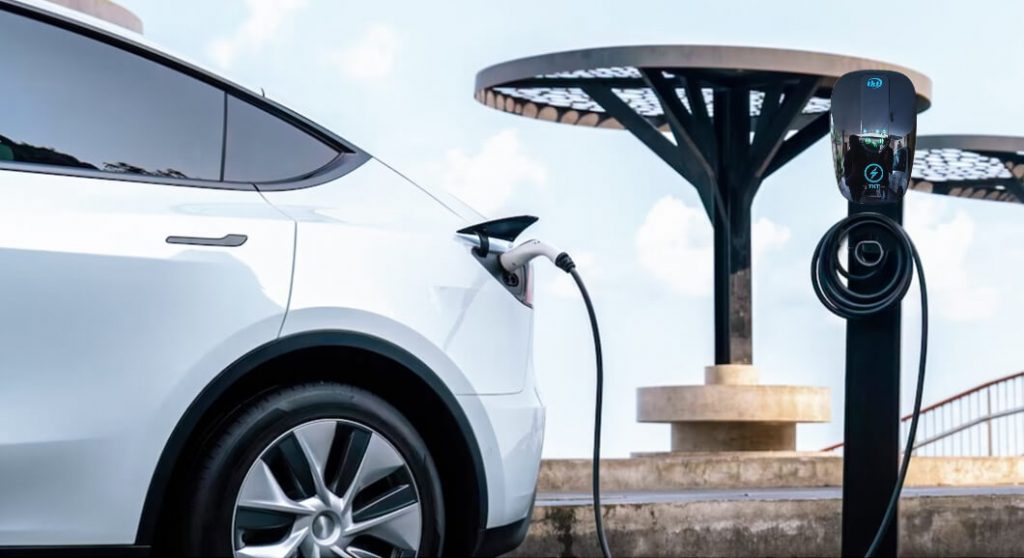
1. Prevents circuit breakers from tripping: This is the most direct benefit. It effectively prevents circuit breakers from tripping due to the simultaneous use of multiple high-power appliances while charging electric vehicles, ensuring the continuity of household power supply.
2. No need for power capacity upgrades: For many residential areas, power capacity is limited, and applying for an upgrade may be costly and involve cumbersome procedures. This feature enables more efficient utilization of existing capacity without the need for an upgrade.
3. Enhanced safety: By precisely managing and limiting current flow, it reduces the risk of circuit overloading and overheating, thereby improving the safety of household power supply.
The electric car charging time is influenced by various factors, such as charging method, battery capacity, the vehicle's ability to accept charging, and ambient temperature.
1. Charging Method: Taking a passenger vehicle as an example, DC fast charging typically charges the battery from 0% to 80% within 30 minutes to 1 hour. AC EV charging, on the other hand, usually requires 4 to 12 hours to fully charge the battery.
It is worth noting that many vehicles' battery management systems will switch to trickle charging once the battery reaches 80% or 90% capacity. This is a protective measure for the battery. Therefore, the actual charging time may differ from theoretical calculations.
2. Battery capacity: The larger the battery capacity, the longer the charging time required. Battery capacities vary significantly between different vehicle models, so there is no universal standard. A rough calculation formula: Charging time = (Battery capacity × (1 - SOC)) ÷ Charging power.
3. Electric Vehicle Battery Acceptance Capacity: The onboard charger (for AC charging) and battery management system determine the maximum charging power. For example, the onboard charger of the BYD Atto 3 has an output of 7 kW, so even when connected to an 11 kW three-phase charger, it cannot achieve 11 kW charging efficiency.
4. Environmental temperature: Batteries achieve the highest charging efficiency at optimal temperatures. In high temperatures, the battery management system reduces charging speed to protect the battery and prevent dangerous situations such as thermal runaway.
When selecting an EV car charger, safety should be the top priority, followed by compatibility, charging efficiency, durability, smart features, after-sales service, and price. Cheap, poorly made chargers may endanger personal safety and vehicle safety, causing irreparable damage.
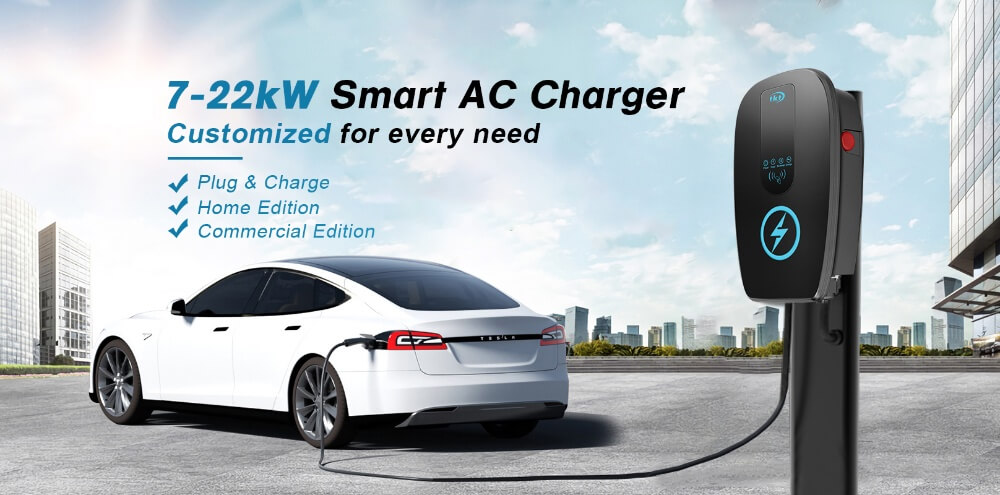
1. Outstanding Safety Performance
TKT electric car chargers are made from high-quality materials and manufactured using strict production processes. This ensures the stability and reliability of the chargers in high-voltage, high-current working environments. The products comply with international safety standards and offer multiple protection functions.
2. Partnership with BYD, a Fortune 500 Company
TKT is a certified partner of BYD. Our product quality has been recognized by leading global electric vehicle manufacturers. This partnership not only affirms the quality of our products but also ensures optimal compatibility between our EV chargers and mainstream electric vehicle models on the market.
Case Study: In the Sri Lankan market, TKT chargers were selected as the official chargers for BYD vehicles. This fact clearly demonstrates that our products have undergone rigorous testing and can adapt to various climatic and environmental conditions, ensuring stable charging performance across different regions.
3. Advanced technological innovation
TKT EV car chargers incorporate the latest charging technologies, including intelligent temperature control systems, adaptive power adjustment, and remote monitoring functions. Our R&D team continuously optimizes product performance to enhance charging efficiency and extend battery lifespan.
4. User-friendly design
We prioritize user experience, with TKT charging interfaces designed to be simple and intuitive. Clear indicator lights and user interfaces make charging status easily visible, while the mobile app enables remote monitoring and control of the charging process.
5. Comprehensive After-Sales Service
TKT offers a comprehensive after-sales service system, including technical support, repair services, and warranty policies. We commit to providing timely professional support to ensure the long-term stable operation of the chargers.
6. OEM Customization Capabilities
Our EV charging equipment is modularly designed, supporting power module expansion, such as upgrading from 120kW to 240kW. Additionally, we provide OEM branding services to meet regional brand requirements.
We understand that in the high-voltage field, there can be no compromise on quality—which is why many leading companies around the world, such as BYD, trust our products. Low-cost, low-quality chargers can cause fires, shorten battery life, and other hazards. TKT insists on “quality first,” which is why we are one of the best EV car charger available.


Click to learn more about TKT EV car charger solutions.
Facebook: https://www.facebook.com/TKTHVAC/
Linkedin: https://www.linkedin.com/company/tkt-hvac
Youtube: https://www.youtube.com/@TKTHVAC