Home Cooling Battery Pack: The Ultimate Guide for Commercial EV
Company News
Cooling Battery Pack: The Ultimate Guide for Commercial EV
07
20,
2026
As global commercial vehicle electrification accelerates, the performance, lifespan and safety of high-voltage battery packs have become core concerns for fleet operators and vehicle manufacturers. A reliable cooling battery pack system is the foundational guarantee for batteries to operate stably under high-load, long-hour commercial operation scenarios. In this comprehensive guide, we explore the fundamentals of battery cooling, break down common solutions, and explain how battery thermal management systems (BTMS) keep high-voltage battery packs at their optimal temperature. Finally, I introduce a professional-grade battery thermal management system (BTMS). It has passed CE certification and has been verified in real electric commercial vehicles.
What is battery cooling? What is a battery chiller?
These are essentially the same thing; it's just that different countries have different usage habits. Besides "battery cooling" and "battery chiller," there are other terms like "battery thermal management system," "battery cooling system," and "BTMS."
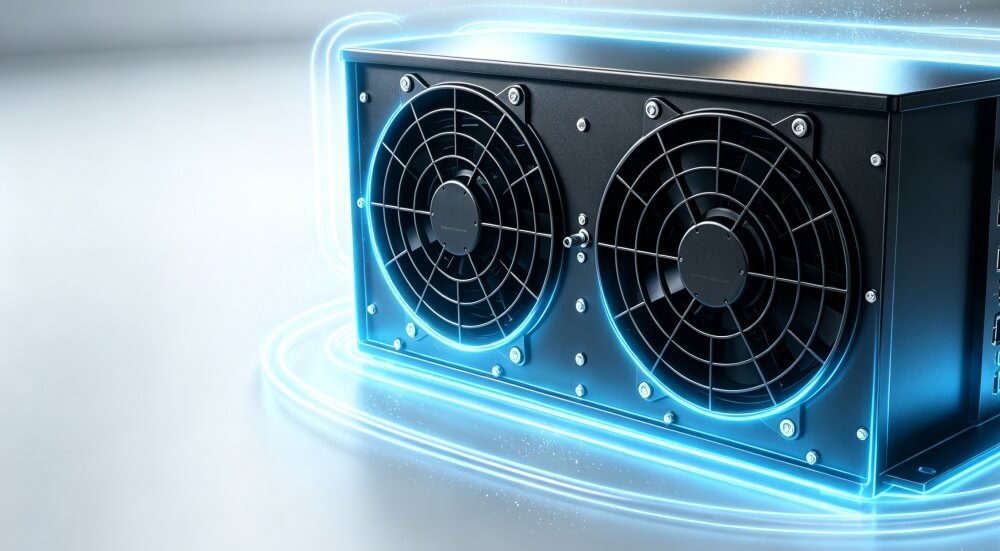
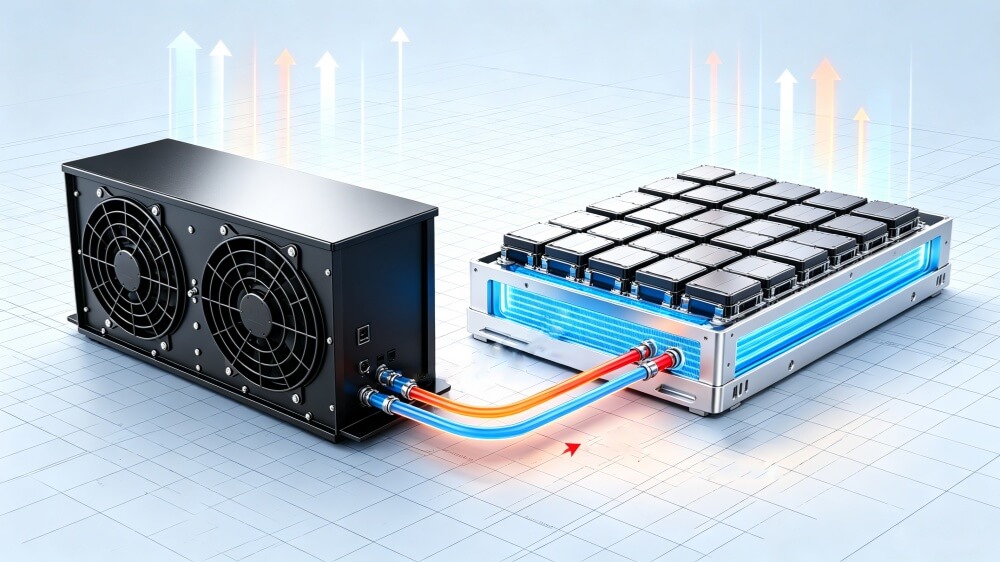
Cooling battery pack solution refers to the process of removing excess heat generated by the battery pack during charging and discharging. Lithium-ion battery cells perform optimally within a narrow temperature window of 20°C to 45°C. When the battery temperature exceeds a set threshold, the chiller activates, using refrigerant to absorb heat from the coolant. The cooled coolant is then circulated back to the battery pack, keeping the cells cool at all times. This precise temperature control is crucial for high-power charging and discharging and extending battery life. Excessive temperature can lead to accelerated battery degradation, capacity reduction, and in extreme cases, thermal runaway, posing serious safety risks.
Common Battery Pack Cooling Solutions
☆☆Passive Cooling vs. Active Cooling Battery Packs☆☆
Passive Cooling Battery Packs: Passive cooling relies on natural heat dissipation, requiring no external energy input. Common methods include utilizing the battery pack's metal casing, heat sinks, or phase change materials that absorb heat during melting. Passive cooling is simple in structure and low in cost. But its temperature control accuracy is poor, making it suitable only for low-power or small-capacity battery systems. It's unable to handle the enormous heat loads generated by large commercial vehicle battery packs.
Active Cooling Battery Packs: utilize components such as fans, water pumps, and compressors to force heat exchange, enabling the system to maintain a stable temperature even under high current output or fast charging conditions. With its strong heat dissipation capabilities and precise temperature control, active cooling is the absolute industry mainstream for any commercial vehicle prioritizing stable performance and safety.
☆☆Comparison of liquid-cooled, air-cooled, and immersion-cooled battery packs☆☆
Cooling Type
Core Principle
Key Advantages
Limitations
Application Scenarios
Air cooling
Uses forced air flow to take away battery heat
Simple structure, low cost, easy maintenance
Low heat exchange efficiency, poor temperature uniformity, highly affected by ambient temperature
Small passenger vehicles, low-power light-duty vehicles
Liquid cooling
Circulates low-temperature coolant through cooling plates to absorb heat
High heat exchange efficiency, excellent temperature uniformity, compact structure, adaptable to high-temperature and high-load environments
Slightly higher system complexity
Mainstream solution for commercial EV high-voltage battery packs
Immersion cooling
Battery cells are directly immersed in insulating coolant
Highest heat exchange efficiency, optimal temperature uniformity across cells
High cost, strict sealing requirements, complex maintenance
Still in niche application stage, not widely adopted for mass commercial use
How to cool battery pack? How to cool a lithium battery? What are the working principles?
Commercial electric vehicles (including light trucks, buses, and heavy trucks) face harsher operating conditions. For example, larger battery capacity, longer continuous operation time, and variable load. This reason puts forward higher requirements for battery cooling systems. The industry widely adopts active liquid cooling BTMS to achieve full-scenario temperature control.
☆☆Working Principle of Commercial EV Battery Liquid Cooling System☆☆
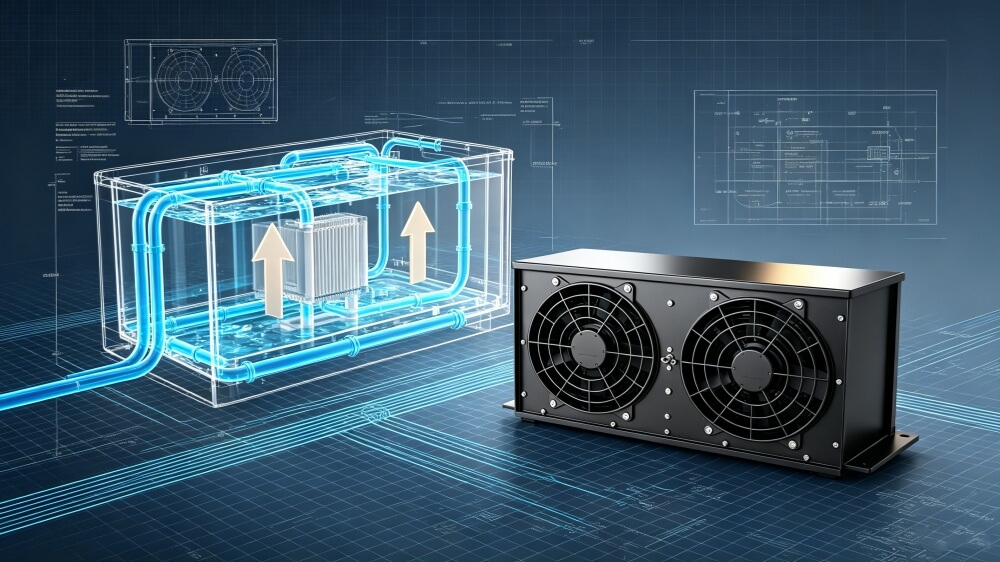
The system forms a closed coolant cycle driven by a water pump, with a battery chiller as the core refrigeration unit.
1. When the BMS detects that the battery pack temperature exceeds the set threshold, the coolant flows through the battery cooling plate installed at the bottom or side of the battery modules, absorbing the heat generated by the cells.
2. The heated coolant flows into the battery chiller, where the refrigeration cycle rapidly reduces the coolant temperature.
3. The cooled coolant is recirculated back to the battery cooling plate, continuously maintaining the battery pack within the optimal temperature range.
4. In low-temperature environments, the system can be equipped with a PTC heater to warm up the coolant, realizing heating and cooling dual-direction temperature management, and ensuring normal battery operation in cold seasons.
The entire system communicates with the vehicle VCU and battery BMS via CAN bus. Adjusting cooling power in real time according to battery temperature and operating conditions to achieve precise and intelligent thermal control.
What is a battery cooling plate?
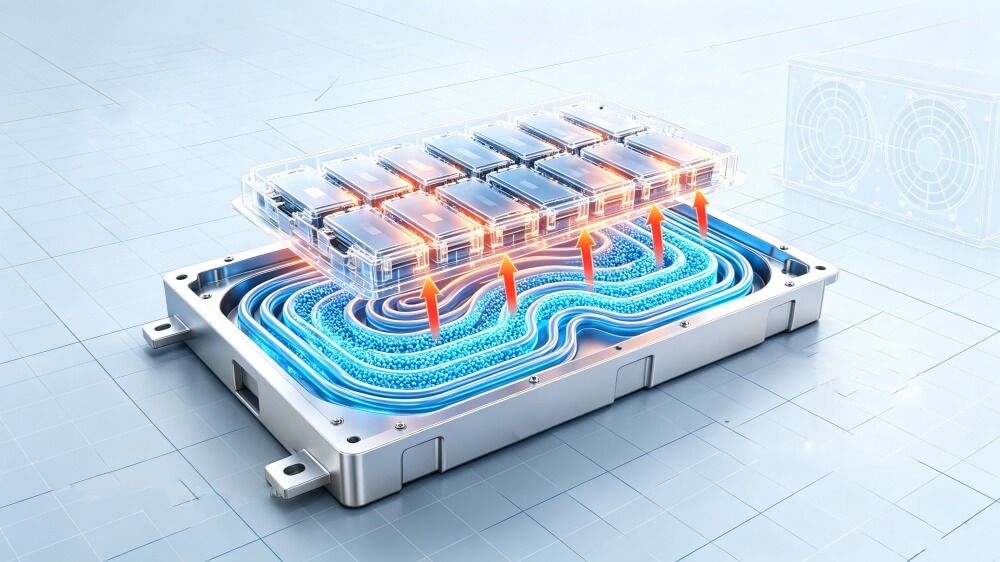
The battery cooling plate is a heat exchange component in liquid cooling battery pack systems. They are typically made of lightweight aluminum alloy and feature internal microchannels or serpentine flow paths within which the coolant circulates. During installation, they fit snugly against the battery modules.
When the liquid-cooled BTMS system is operating, the coolant flows within the channels of the cooling plate, rapidly transferring heat generated by the battery cells through contact heat conduction. A well-designed cooling plate can control the temperature difference between battery modules within 5°C. This effectively preventing localized overheating, extending battery life, and reducing safety risks. With its compact structure and customizable shape, it adapts to various sizes of commercial vehicle battery packs and has become a standard component of mainstream liquid-cooled thermal management systems.
Not a cooling plate manufacturer; this is for illustrative purposes only.
Product Recommendation: BTMS System with CE Certification and Real Vehicle Testing
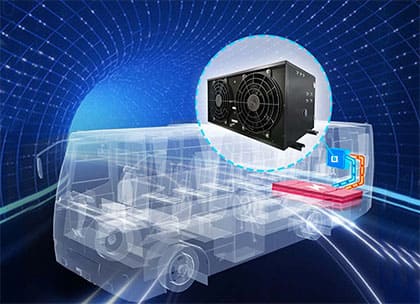
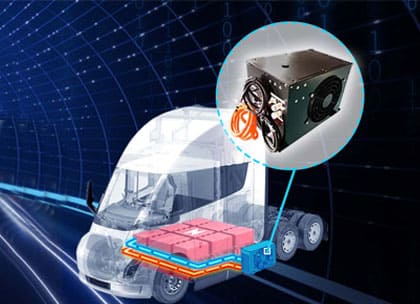
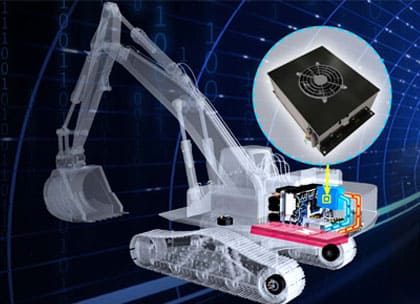
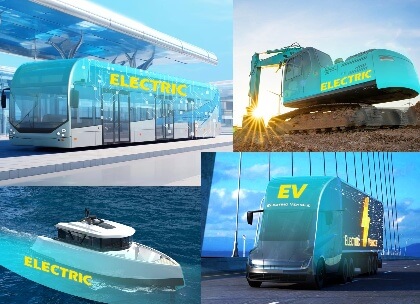
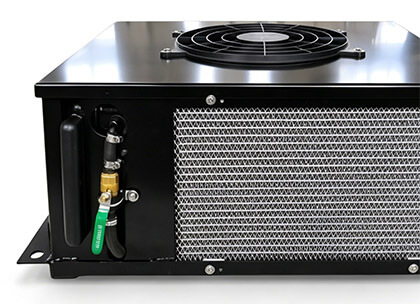
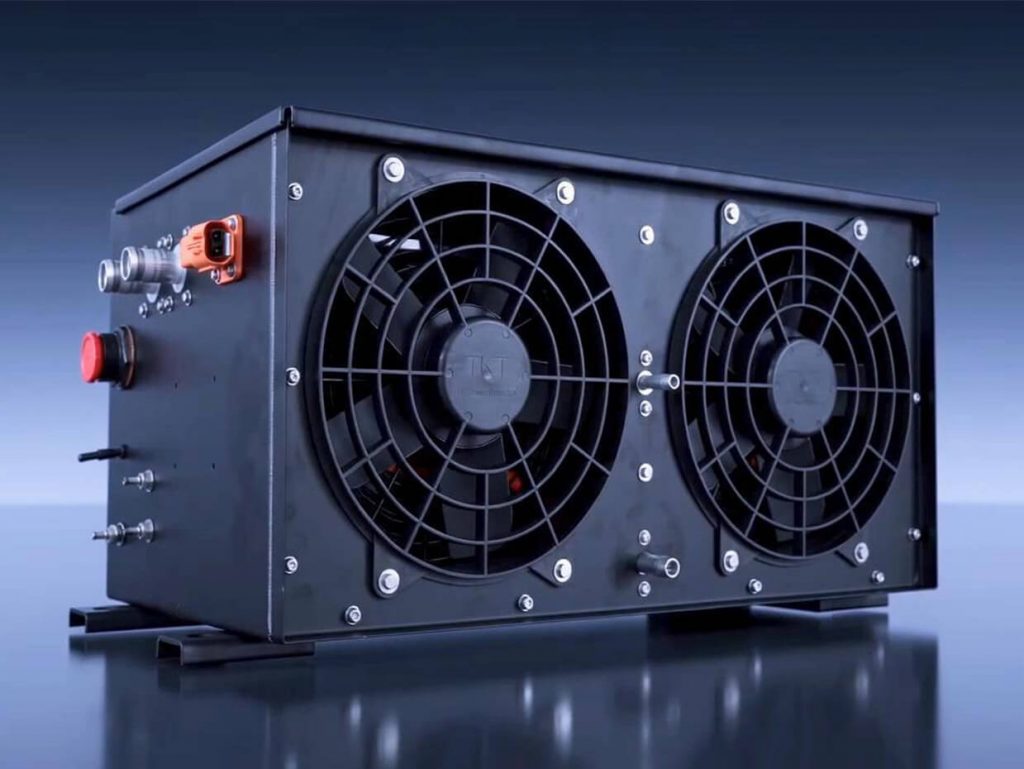
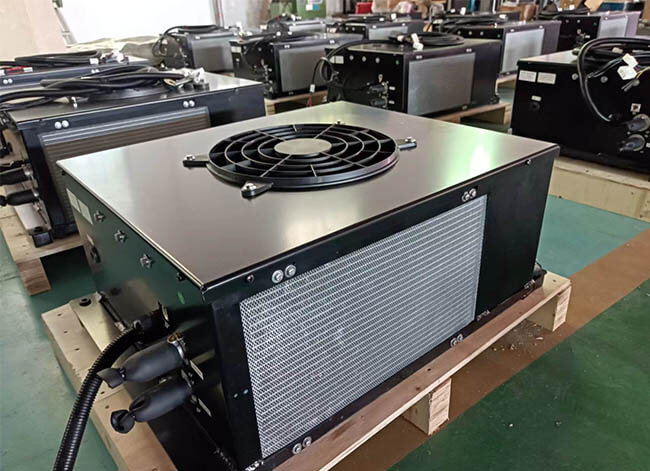
To meet the stringent requirements of commercial vehicles, your battery chiller must not only be high-performance but also possess high reliability and excellent electromagnetic compatibility. TKT, a professional battery thermal management system manufacturer from China, offers a fully CE-certified cooling battery pack solution. It's suitable for various scenarios, including electric buses, heavy trucks, light trucks, and ships. The following are the core advantages of TKT BTMS, making it a prominent choice for OEMs and fleet operators.
In modern electric vehicles, sensitive onboard electronic devices and high-power electrical components coexist, making electromagnetic compatibility (EMC) a stringent requirement. TKT's cooling battery pack solutions successfully passed all EMC tests. This strongly demonstrates that it neither interferes with other vehicle systems nor is affected by external electromagnetic interference.
1. Radiated Emissions - No External Interference with Onboard Electronic Devices
The test covered the entire vehicle radio frequency band from 30MHz to 1000MHz. Conducted under the most stringent conditions, a maximum wiring layout with high and low voltage harnesses close to the antenna was used to maximize the testing of potential interference. Two full-load operating modes, cooling self-circulation and heating self-circulation, were tested simultaneously. Through horizontal and vertical dual-antenna polarization testing, the measured peak (PK) and average (AV) values at all frequencies not only fell below the limits but also maintained ample safety margins. a minimum margin of 5dB, with most frequency bands having margins as high as 20–50dB. No frequency exceeded the limits under any test scenario.
2. Radiated Immunity - External Electromagnetic Fields Do Not Interfere with Equipment Operation:
Under strong radio frequency fields simulating vehicle radar, base stations, and broadcast antennas, the BTMS operates stably without resets, malfunctions, or data jumps.
3. Transient Conducted Immunity - Resistance to On-Board Voltage Surges
Based on ISO 7637-2 standards, the equipment withstood high-voltage transient pulse surges generated by simulated relay switching and the start/stop of high-power equipment. When subjected to strong pulse surges of +150V positive and -450V negative, the equipment showed no damage or system crashes. The measured residual pulse amplitudes were only 0V and -27V, significantly better than regulatory limits. It's fully demonstrates the system's ability to withstand voltage surges in the complex electrical environment of commercial vehicles.
4. Conducted Transient Emissions - No Clutter Interference to Vehicle Controller
The voltage ripple and high-frequency noise generated on the power lines during BTMS operation are extremely low, ensuring no interference to the vehicle controller and battery management system (BMS).
☆☆Highly versatile product design☆☆
1. A complete product line with full power coverage: Offering cooling capacities of 3kW, 5kW, 6kW, 8kW, and 10kW. And with optional integrated PTC heaters ranging from 3kW to 10kW for rapid and even battery warming in harsh winter conditions.The product range covers various applications including light trucks, large buses, heavy trucks, and energy storage temperature control.
2. Standardized core component parameters ensure high reliability: The system core utilizes a 500cc compressor with CAN 2.0 communication (500Kbps), supporting a wide speed range of 2000 to 6000rpm. The PTC heater power reaches up to 10kW. The system integrates a DC24V water pump, cooling fan, multiple 5K temperature sensors, and high/low pressure protection switches. All units adopt the CAN 2.0 automotive communication protocol, allowing direct interface with the vehicle's VCU and battery BMS without the need for an additional gateway.
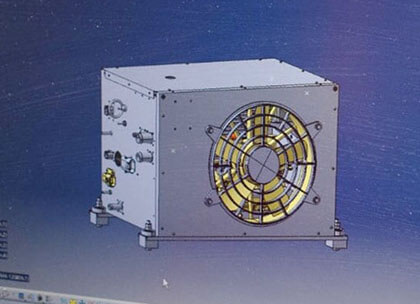
3. Platform-based design: Model TKT-BCS10-CW-H, as a typical representative of the entire family, has the same electrical schematic as all 18 variants (covering 3~10kW cooling and heating capacities), with the only difference being the capacity specifications. This means that different power requirements can be adapted through a fully validated core design, significantly reducing development cycles and validation costs for vehicle manufacturers.
☆☆Strict Compliance in Production and Quality Control - Ensuring High Reliability and Batch Consistency☆☆
The value of certification lies in the production system behind it. TKT's production strictly adheres to the mandatory requirements of CE certification: every mass-produced product must be completely consistent with the certified documentation; the factory is subject to official sampling inspections by certification bodies at any time; any production changes must be reported to and approved by the certification body in advance. This rigorous compliance control ensures that every batch of products received by customers has the same performance and reliability as the samples tested during certification. TKT strictly follows EU certification production control standards, guaranteeing batch consistency and the high reliability required for commercial vehicle applications.
☆☆Full-Load Extreme Condition Simulation Testing and Verification☆☆
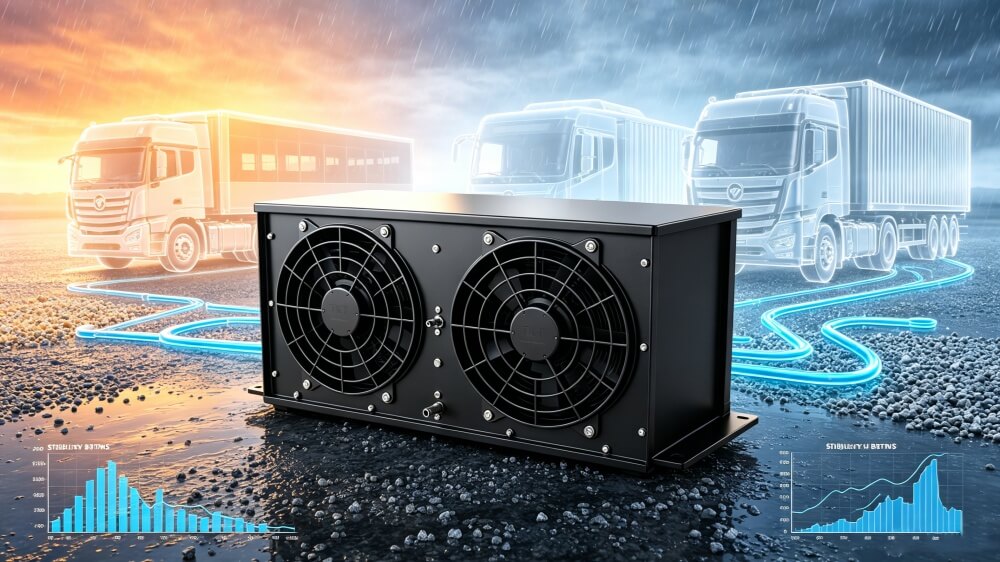
TKT's cooling battery pack solution demonstrated outstanding performance in the most severe operating condition simulation verification, with testing standards far exceeding those of conventional bench tests. To simulate the entire lifecycle of real-world high-intensity vehicle operation, the system was subjected to simultaneous cooling and heating extreme conditions under full load, and all EMC verifications were completed using the worst-case wiring environment for the entire vehicle. During this prolonged full-load operation, the BTMS exhibited highly stable thermal management and electromagnetic compatibility performance. The measured radiated emission curves in the test data were significantly and consistently below the limits across the entire frequency band, providing intuitive and quantitative proof of the product's all-weather durability. Whether in the scorching desert or the frozen northern winter, TKT BTMS provides fleet operators with reliable durability assurance.
Summary
Efficient and reliable cooling battery pack technology is the cornerstone of the performance and safety of commercial electric vehicles. From understanding passive versus active cooling to choosing between air-cooled, liquid-cooled, and immersion solutions, every design decision is critical. TKT's CE-certified battery chiller offers electric bus, truck, and special vehicle manufacturers a high-performance thermal management solution that can be integrated immediately, thanks to its proven EMC compliance, flexible platform design, certified production quality, and tolerance to extreme conditions. For more information on how TKT's battery thermal management system can optimize your next vehicle project, please contact our engineering team.
Latest Battery Pack Cooling Industry News and Technology Information
1. In April 2026, Denso launched a mass-produced battery temperature control module for electric heavy-duty trucks. Denso's first mass-produced heavy-duty truck battery temperature control module, developed in Japan, was officially installed in Hino fuel cell heavy-duty trucks. The product adopts an independent liquid cooling circuit, specifically designed for high-load continuous operation scenarios in commercial vehicles, achieving industry-leading cooling performance per unit volume.
2. In June 2026, Calatherm released an integrated BTMS for its 800V platform. This integrated battery thermal management system for high-voltage electric platforms integrates 6kW cooling + 7kW heating functions, adapts to 800V high-voltage architecture, and uses CAN bus control for direct connection to the vehicle's VCU and BMS. Its compact design is suitable for commercial vehicle and special vehicle platforms.
3. In April 2026, Tesla upgraded the battery thermal management architecture for its Semi heavy-duty truck. Tesla has optimized the liquid cooling circuit of the 4680 battery pack for its Semi long-haul electric truck, restructured the thermal management architecture, and focused on solving the problem of range reduction in low-temperature environments to meet the all-weather operation needs of long-haul logistics.