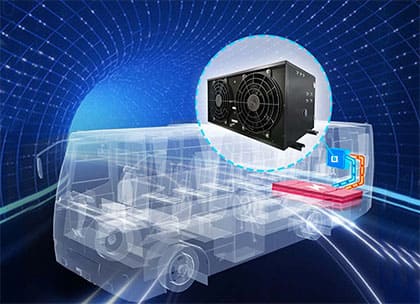
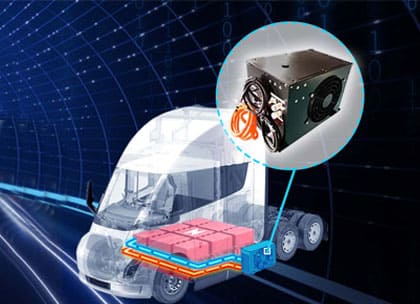
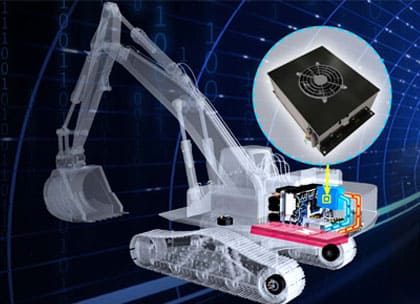
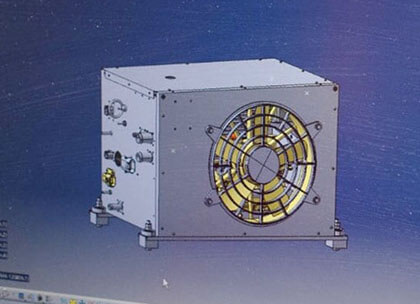
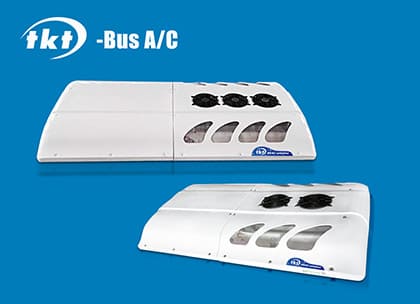
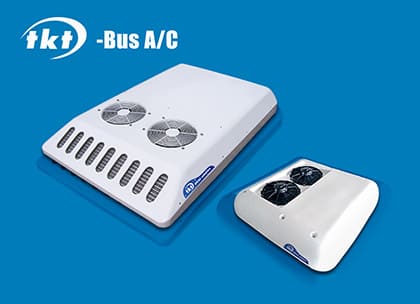
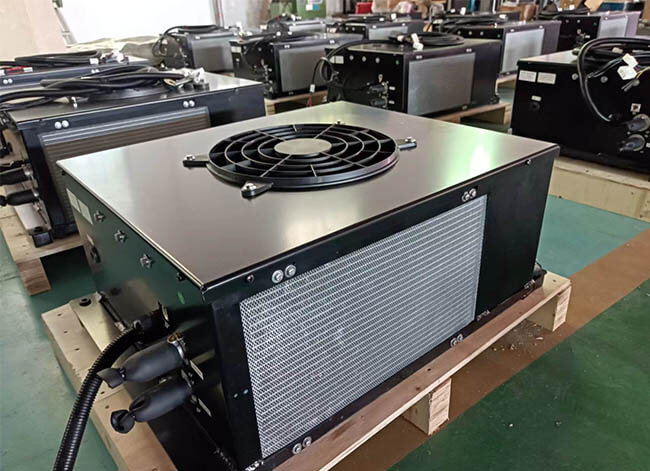
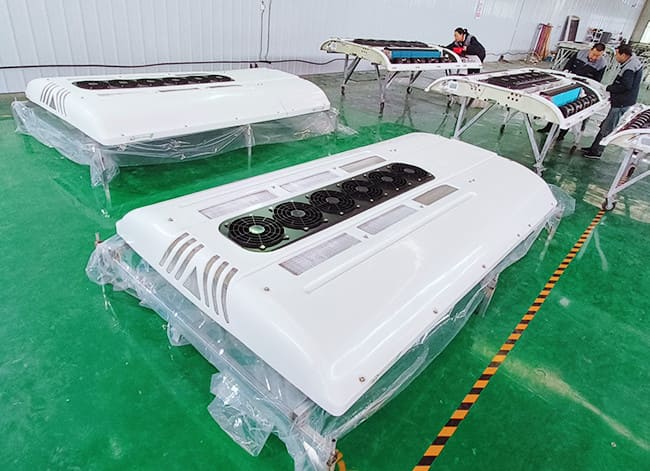
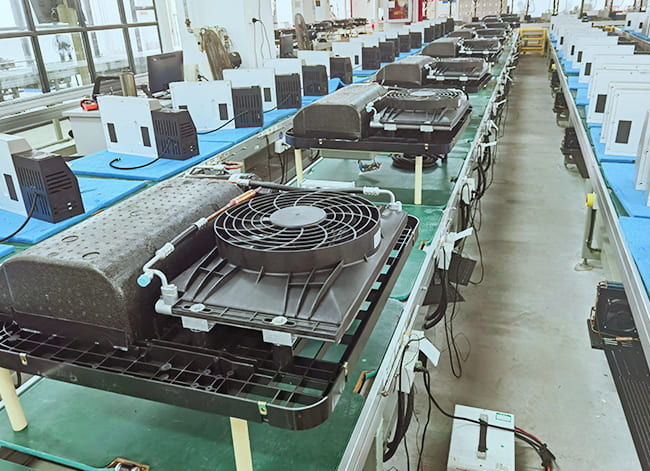
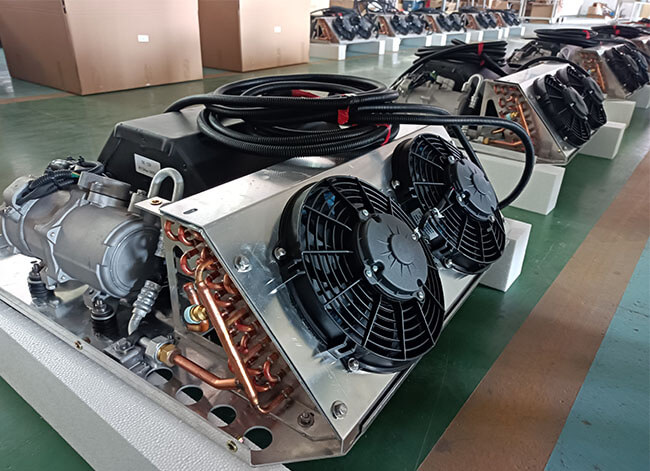
TKT has manufactured bus BTMS with over 10 years of market validation and over 200,000 units in operation worldwide. This article will introduce the common bus BTMS installation locations and an analysis of the advantages and disadvantages.
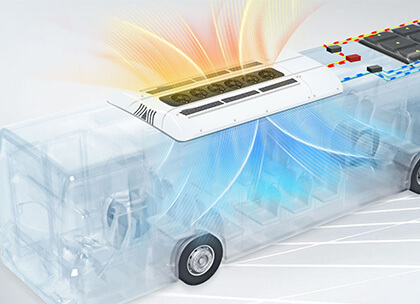
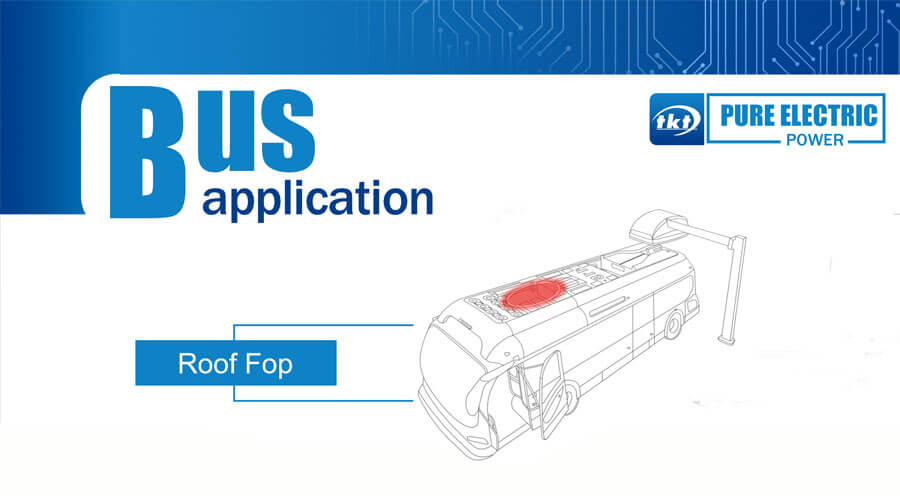
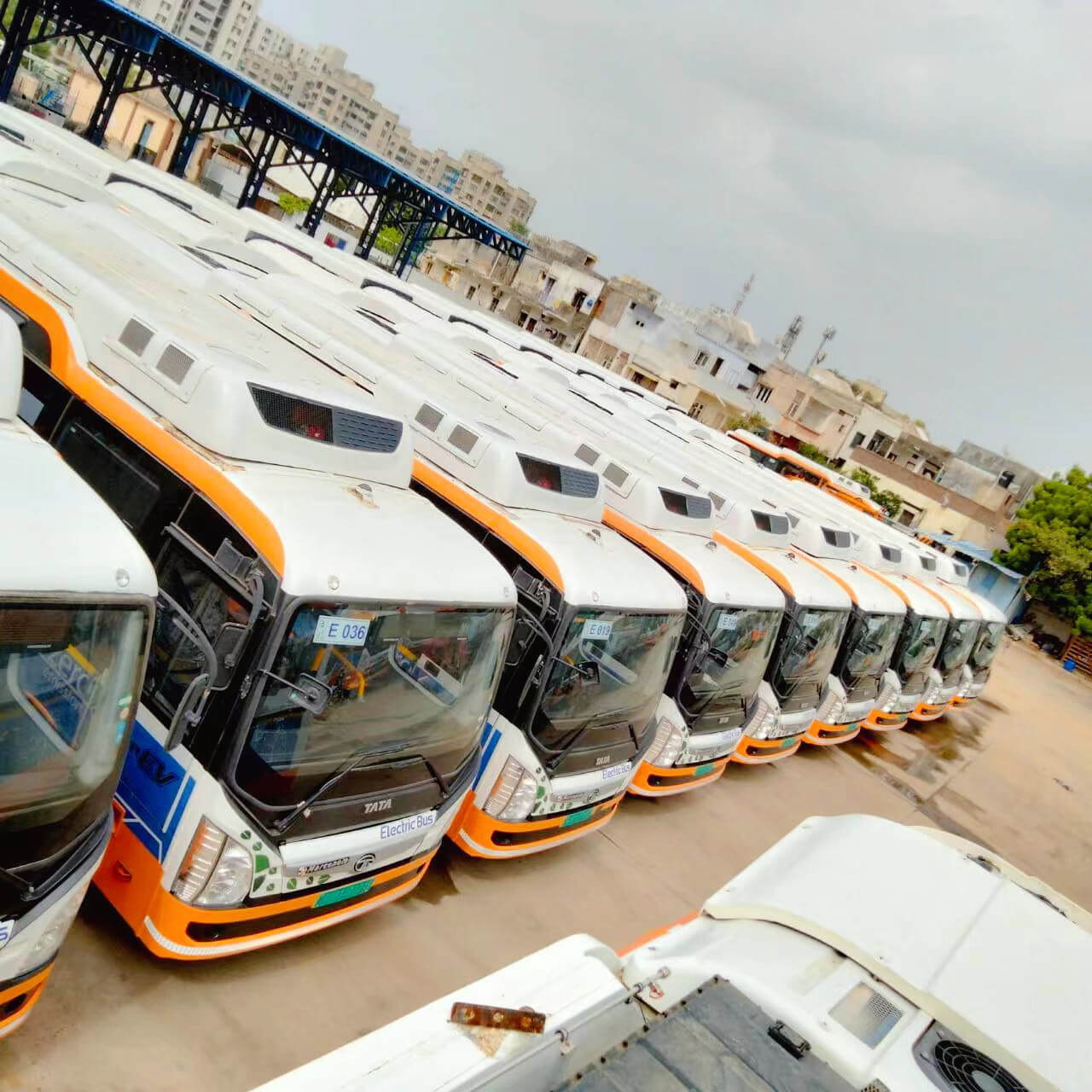
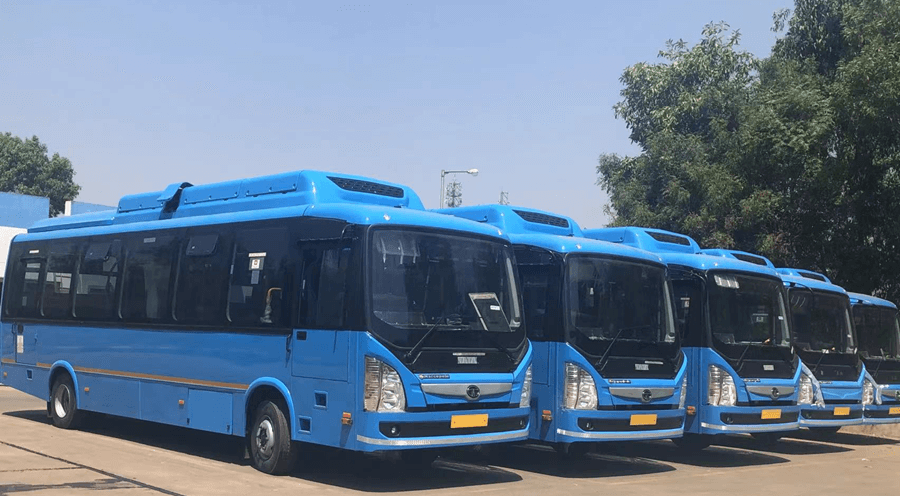
BTMS is installed and fixed at the roof rack of the electric bus.
Its advantages are as follows: due to the removability of the roof rack, it provides convenience for the installation and disassembly of the battery thermal management system and improves the efficiency of the assembly; because the equipment is installed on the roof, it is not easy to accumulate dust and has good heat transfer efficiency; it does not affect the internal space arrangement of the bus; due to the smoothness of the installation surface, it ensures the consistency of the coolant circulation of each pipeline and has a great improvement on the temperature uniformity.
Its disadvantages are as follows: increases the load on the roof cover and sides, requires the body to have higher load bearing capacity, raises the overall center of gravity of the bus, reduces the smoothness of the vehicle driving as well as safety; is subject to large solar radiation, and raises the overall battery pack temperature.
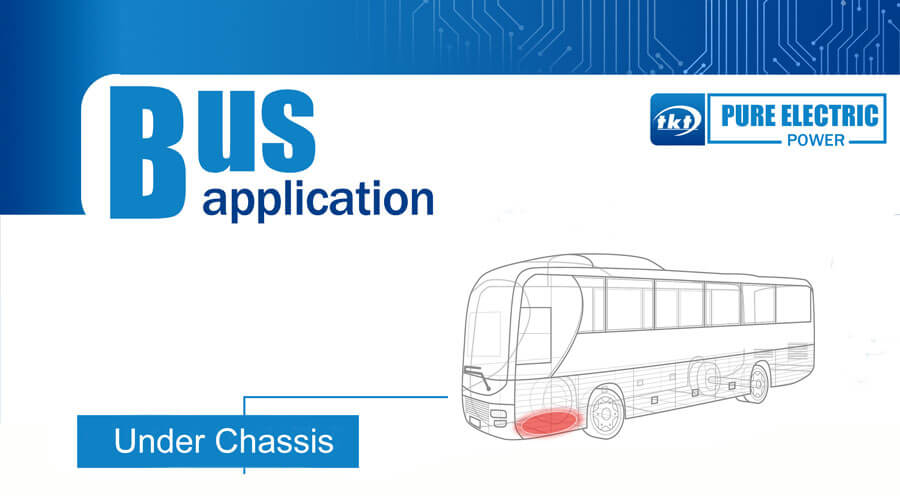
BTMS is installed and fixed in the chassis of the electric bus.
The advantages are as follows: Compared with top-mounted placement, it reduces the load on the roof cover and the sides, reduces the center of gravity. This enhances the safety and smoothness of the bus.
The disadvantages are as follows: As the vehicle will inevitably encounter water, land and other environmental harsh areas during the driving process. The battery thermal management system installs on the vehicle undercarriage. Its position must account for high and low points to prevent resistance in the waterway. Otherwise, the coolant flow may become uneven, causing inconsistent battery temperatures. Dust in harsh environments can reduce heat transfer efficiency. Since the system sits at the bottom, installation and disassembly are somewhat inconvenient. The vehicle undercarriage also needs sufficient load-bearing capacity.
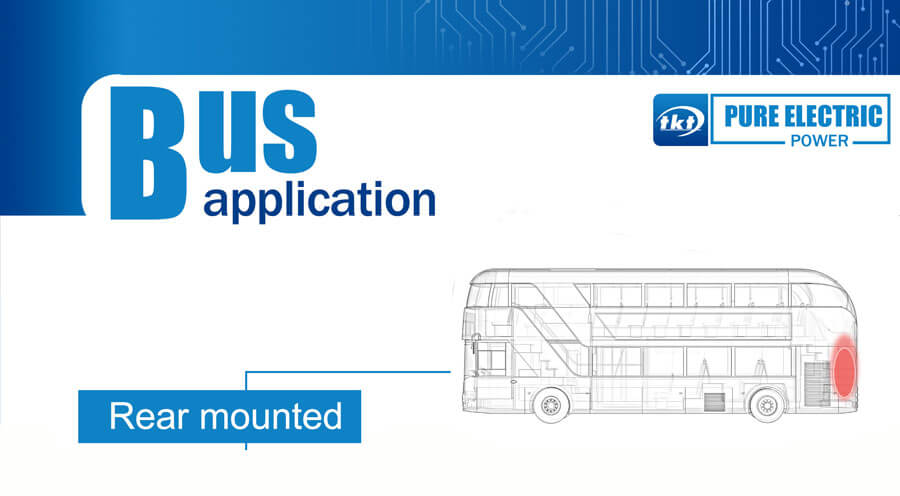
BTMS is installed at the rear compartment of the electric bus.
Its advantages are as follows: less interference by external conditions, such as: solar radiation, different road conditions, etc.; no excessive interference to the bus driving smoothness and safety; the system is more convenient to install and disassemble.
The disadvantages are as follows: it reduces the space inside the bus.
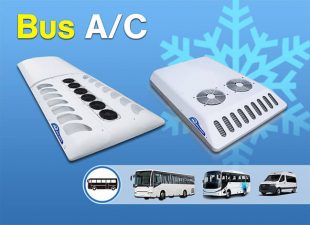
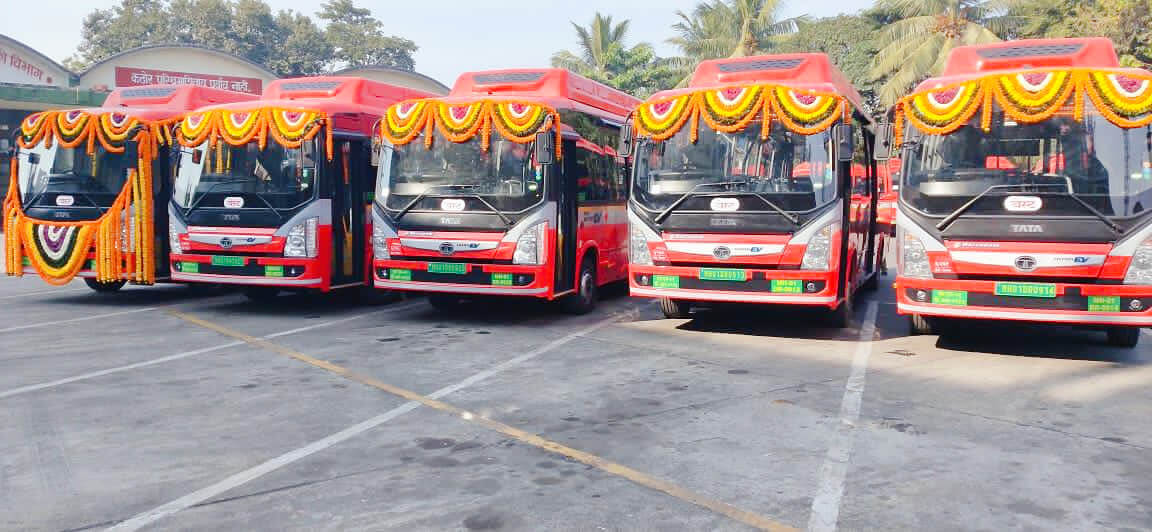
TKT provides OEM cooperation services for Fortune 500 companies such as TATA (India). The projects mainly include bus air conditioners, battery cooling systems, etc.
TKT has a team of 135 engineers including design engineers. These include structural engineers, electrical engineers, test engineers, EMI/EMC engineers, and after-sales engineers. They have complete design, development, testing and certification capabilities for bus air conditioners and components.

Click for more detailed pictures

If you want to know the specific products, Please click here.