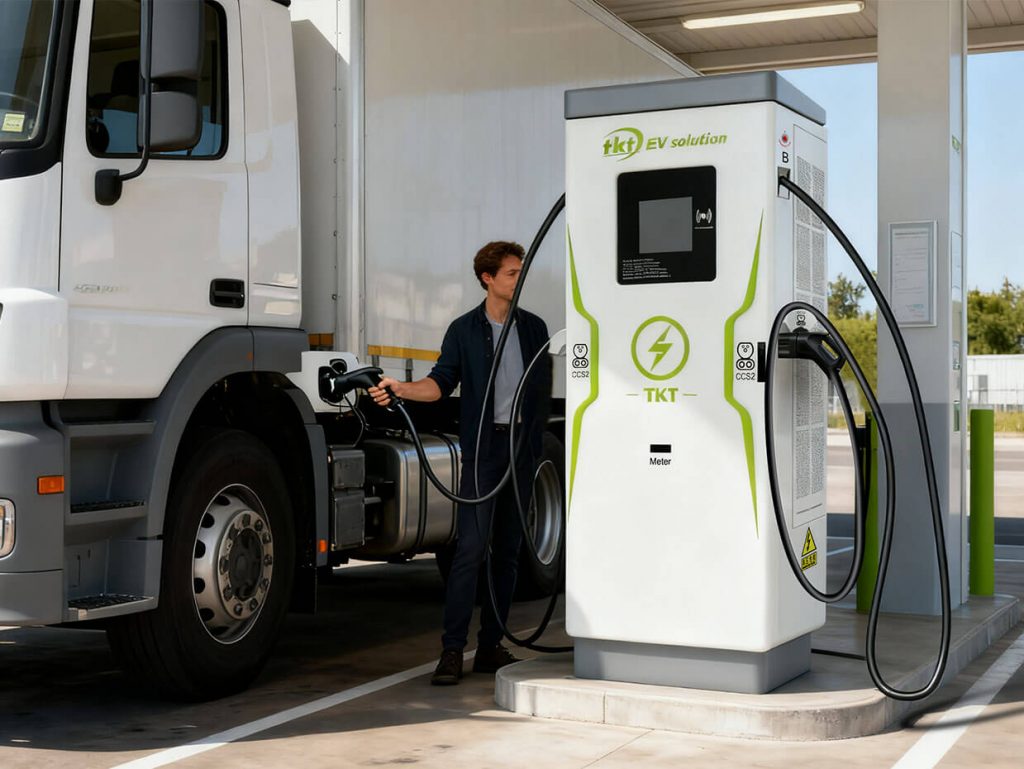
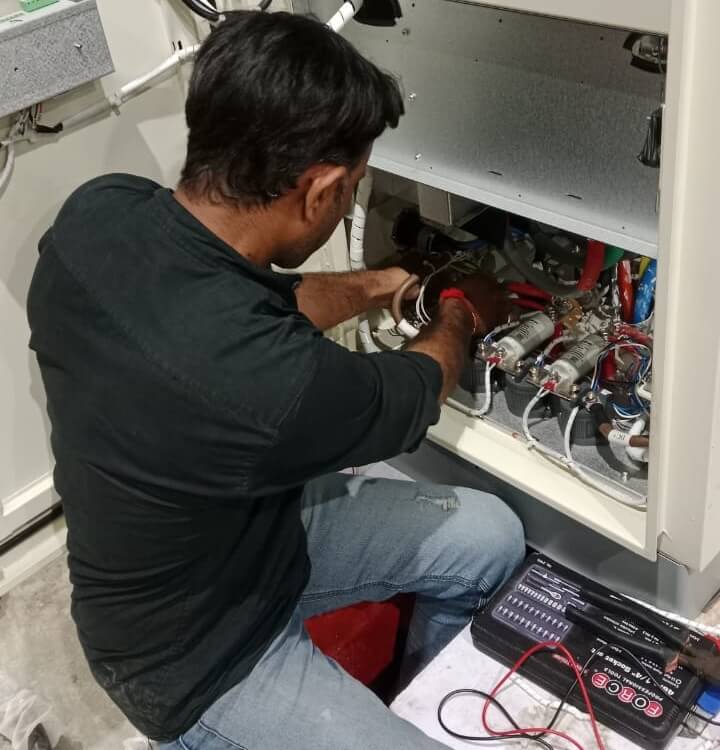
With the growing electric vehicle market, EV Charging Station Maintenance has become crucial. Routine maintenance ensures their efficient and safe operation. Furthermore, through rigorous upkeep, operators can maximize the lifespan of charging stations, enhance return on investment, and avoid costly repairs. This proactive maintenance strategy is essential for operators. Daily maintenance includes inspecting cables and connectors, cleaning equipment, and performing software updates.
The Importance of Daily EV Charging Stations Maintenance
Beyond the previously mentioned factors of lifespan, return on investment, and repair costs, daily maintenance ensures all components function properly and the environment remains clean and tidy. This enhances user satisfaction, loyalty, and safety—ultimately benefiting operators. After all, no one would willingly return to a charging location with a poor experience. Conversely, a charging experience characterized by clear data, simple operation, and swift payment processing fosters a sense of comfort. Neglecting maintenance can lead to frequent malfunctions, eroding customer trust.
Understanding the importance of maintenance:
1. Ensures equipment operates normally
2. Extends equipment lifespan
3. Guarantees safety and compliance
4. Enhances user satisfaction
5. Improves return on investment
6. Reduces post-sale expenses
Six Core Tasks for EV Charging Station Maintenance
1. Enclosure Cleaning: Essential Monthly Insulation Protection
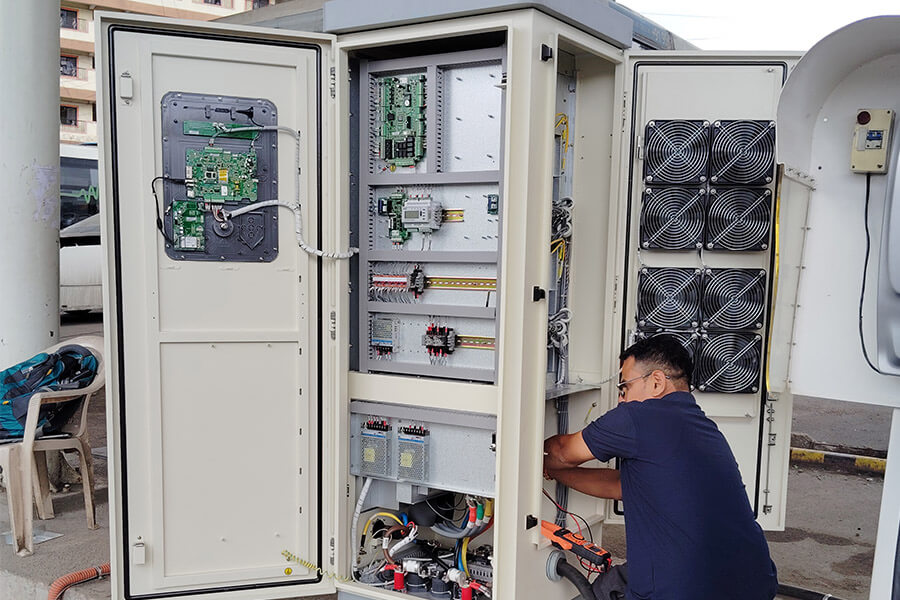
Regular inspection of dust accumulation inside EV charger equipment is critical. Long-term buildup degrades the insulation performance of internal components, increasing the risk of faults like short circuits. Therefore, it is essential to periodically check for dust inside the equipment and perform regular cleaning using professional tools or soft brushes. A comprehensive inspection and cleaning is generally recommended at regular intervals, with frequency adjusted based on EV charging station usage and environmental conditions.
Surface Area: Weekly wipe-down of the cabinet with a lint-free cloth to remove surface dust.
Internal Components: Quarterly disassembly of the enclosure to blow-clean core components like circuit boards and capacitors using compressed air (frequency may vary based on environmental factors).
2. Grounding System Reliability Inspection
The integrity of ground connections directly impacts electrical safety during operation. Maintenance personnel must use professional ground resistance testers to periodically measure ground resistance values, ensuring compliance with safety standards. This effectively prevents electric shock incidents caused by leakage currents, providing robust safety assurance for charging operations. Special attention should be given to inspecting grounding bolts for corrosion. If oxidation is detected, immediately sand the affected areas and apply rust-preventive grease.
3. Cooling Fan Operation Inspection
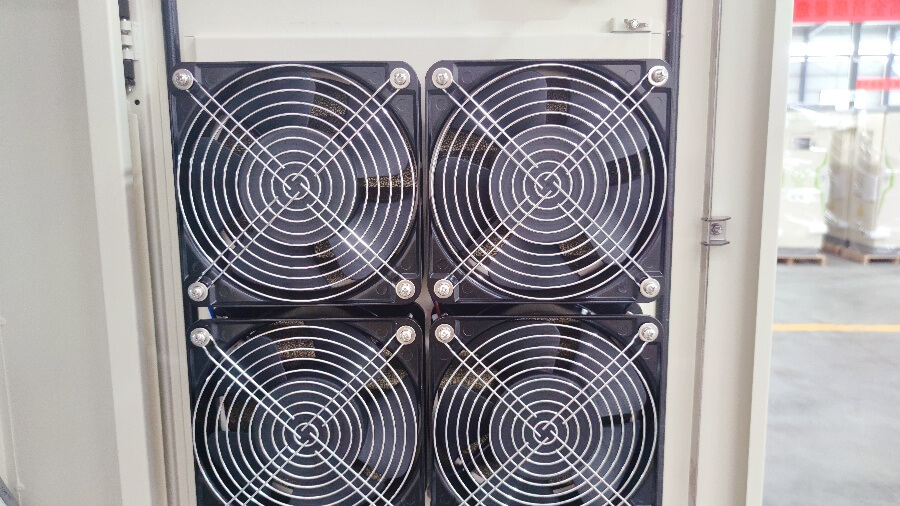
The cooling fan is a critical component for heat dissipation in EV chargers. Its proper functioning is essential for maintaining stable internal temperatures. Regularly inspect the cooling fan's operation, checking whether the fan blades are intact, rotating smoothly, and producing any abnormal noises. Should any fan malfunction be detected, promptly replace it with an identical model to ensure the charger operates within an appropriate temperature range.
4. Cabinet Ventilation Inspection
Without adequate airflow pathways, the effectiveness of cooling fans is significantly reduced. Regularly inspect the ventilation status of EV charger cabinets, focusing on cleaning the dust filters on side doors. Dust accumulation on these filters obstructs airflow and impairs heat dissipation. It is recommended to perform a thorough internal cleaning of the charging equipment every three months. If the EV charging station is located in a harsh environment, such as high dust levels or humidity, users may shorten the cleaning interval based on actual conditions.
Disassembly and Cleaning Steps:
4.1 Open the left door of the charger and carefully remove the black filter mesh. Next, take out the ventilation louvers and metal dust filter, then thoroughly clean them with water. Exercise caution during cleaning to avoid damaging the filter structure.
4.2 Open the right door and repeat the above steps.
4.3 After the metal dust filter and black filter are completely dry, reassemble them in reverse order: metal dust filter, ventilation louvers, and black filter. Securely fasten with screws to ensure stable installation.
5. Regularly Inspect the Cable System
Charging cables and retractable cords are the most frequently used components during charging. Their condition impacts charging safety. Periodically inspect charging cables and retractable cords for signs of aging or wear. If any issues are detected—such as damaged cable jackets or cracked retractable cords—replace them promptly to ensure safe operation. Additionally, check whether EV charging connectors are loose. If any looseness is found, tighten them immediately to prevent poor contact that could lead to safety hazards. It is recommended to perform comprehensive maintenance monthly. If the charging station operates under harsh conditions—such as frequent plugging/unplugging or significant temperature fluctuations—maintenance intervals may be shortened as needed based on specific circumstances.
6. Charging Connector Maintenance
When not in use, cover the charging connector with a dust cap or insert it into the connector holder on the charger to prevent dust, debris, or other foreign objects from entering and affecting charging performance.
Weekly cleaning of the charging cable and connector holder with a high-pressure air gun and brush effectively removes surface dust and grime. If high-pressure air guns are unavailable, use a lint-free cloth or cotton swab dipped in a suitable cleaning solution to gently wipe the charging connector and cable, ensuring thorough cleaning. Timely cleaning of charging cables prevents charging failures caused by foreign object adhesion and avoids accidents like cables being discarded or dropped on the ground.
Summary
EV charging station maintenance is a meticulous and critical task. Through regular, comprehensive maintenance, charging station equipment can be kept in optimal operational condition, ensuring safe and efficient charging services for EV users. In today's rapidly evolving EV industry, a robust maintenance system has become a key component of a charging station's core competitiveness.
About TKT®
TKT Group invested 200 million yuan and the plant area is 8,200 square meters. TKT has more than 10 years of experience in designing and manufacturing EV charging solutions. Our products can cope with a variety of charging scenarios.
We have experience in large-scale OEM cooperation. We have established long-term supporting cooperation with well-known car companies such as BYD Auto, Yutong Bus, ZeroNox Inc, Fentons Hayleys, etc.
Click to browse our EV charging solutions.

Further reading: Wholesale EV Charging Stations: Strategies for Success, The Best EV Charger Solutions of 2025, 180kW EV Charger: High-Efficiency Charging Powering the Future.
Facebook: https://www.facebook.com/TKTHVAC/
Linkedin: https://www.linkedin.com/company/tkt-hvac
Youtube: https://www.youtube.com/@TKTHVAC