In recent years, extreme weather disasters have become increasingly frequent, with heatwaves, torrential rains, and typhoons growing more severe in both frequency and impact. These recurring phenomena serve as stark warnings to the world that environmental issues demand urgent attention. Consequently, an increasing number of countries are implementing stricter regulations on air conditioning refrigerants. Choosing the right bus air conditioning refrigerant is crucial, as it not only affects compliance but also directly impacts operational costs and passenger experience. Today, I will provide an in-depth explanation of bus air conditioning refrigerants.

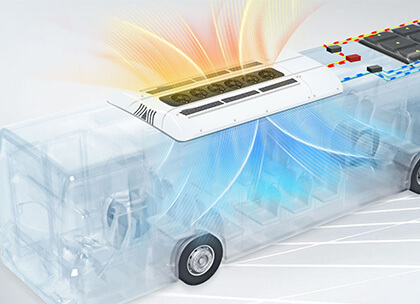
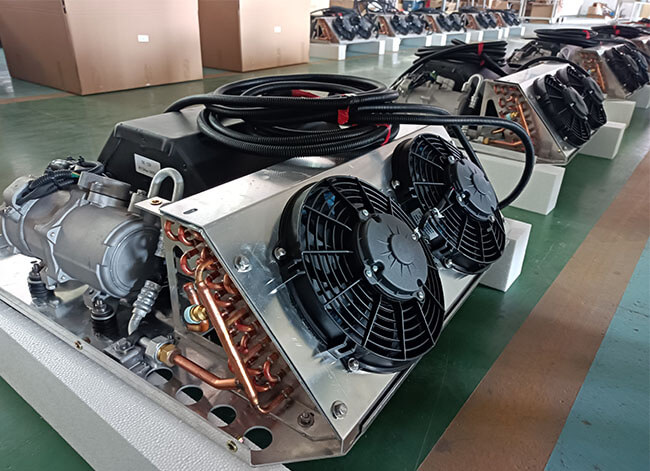
The working principle of the bus air conditioning refrigerant cycle involves four core stages:
1. Compression: The gaseous refrigerant is pressurized and heated by the compressor, forming a high-temperature, high-pressure gas.
2. Condensation: The high-temperature, high-pressure gas flows through the condenser, where it is cooled by the condenser fan and liquefies into liquid refrigerant, releasing heat to the outside of the bus.
3. Expansion: The liquid refrigerant passes through an expansion valve, where throttling reduces its pressure and converts it into a low-temperature, low-pressure mist-like mixture.
4. Evaporation: The mist-like refrigerant absorbs heat and vaporizes within the evaporator, drawing heat from the air inside the bus to achieve cooling.
These four steps continuously cycle simultaneously, completing the entire refrigeration process and ensuring cool, comfortable air inside the bus.
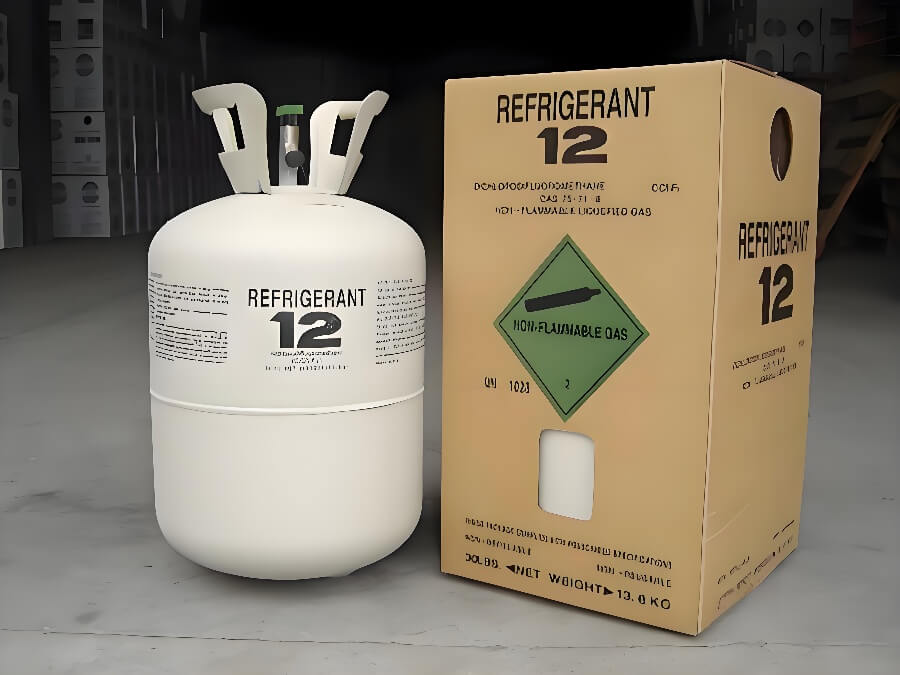
R12 is a highly versatile refrigerant widely used in refrigeration and air conditioning applications. It was once the most commonly employed refrigerant. It can be used in various refrigeration equipment such as freezers, refrigerators, central air conditioning systems, automotive air conditioning, cold storage facilities, commercial refrigeration units, and freezer units.
However, it has a critical flaw: it depletes the ozone layer. Consequently, it is now virtually obsolete. Common alternatives include: R134a, R401a, R401b, etc. Its containers are typically white in appearance.
Bus Applicability: It is virtually nonexistent in current buses.
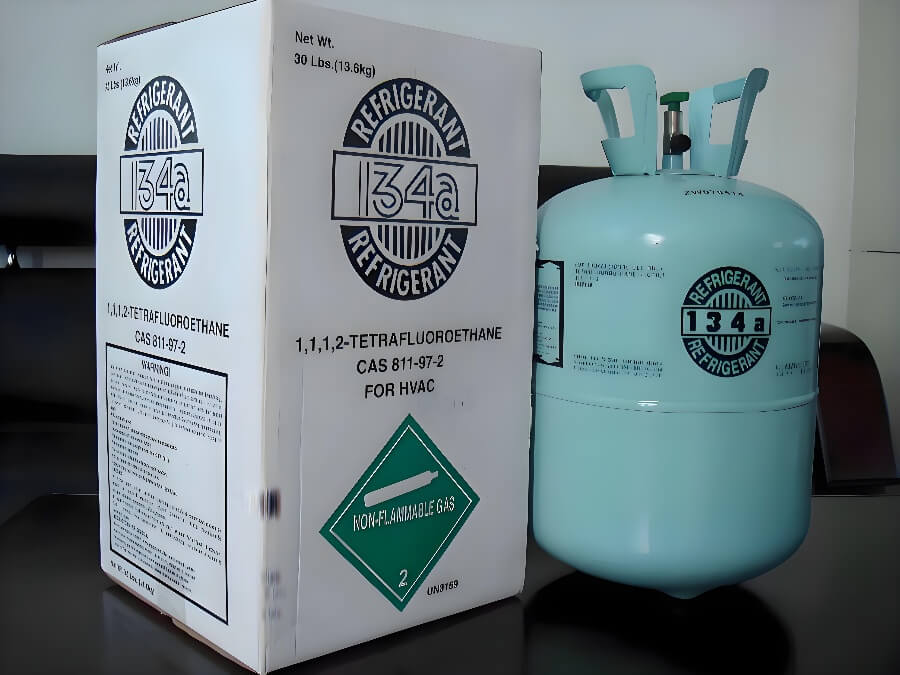
Over the past 20 years, R134a has been the most widely used automotive refrigerant. Classified as a medium-low temperature environmentally friendly refrigerant, it gained widespread adoption due to its mature technology and low cost. Additionally, it is non-toxic, non-flammable, and offers excellent compatibility with air conditioning systems. Consequently, it completely replaced R12 refrigerant after 1990. Its containers typically feature a light blue appearance.
1. Advantages:
Chlorine-free, does not deplete the ozone layer (ODP=0). Technologically mature, low-cost, and easy to service. Low system conversion costs, with superior heat transfer performance compared to R12 refrigerant, ensuring reliable cooling efficiency.
2. Disadvantages:
High GWP of 1000+, contributing to the greenhouse effect. Currently being phased out in regions including Europe and the United States.
3. Bus Air Conditioning Usage:
Still employed in older vehicle models, but usage is gradually decreasing in new buses.
ODP stands for Ozone Depletion Potential. It measures a refrigerant's ability to damage the ozone layer. The capacity of refrigerants released into the atmosphere to break down ozone molecules through photochemical reactions. A higher ODP value indicates more severe damage to the ozone layer.
GWP stands for Global Warming Potential. It measures a refrigerant's contribution to global warming over a specific timeframe, typically 100 years. This reflects a refrigerant's ability to absorb infrared radiation and its residence time in the atmosphere. A higher GWP value indicates a stronger greenhouse effect.
Currently, any refrigerant with an ODP of 0 is considered environmentally friendly, as it does not deplete the ozone layer or increase ultraviolet radiation penetration. However, as environmental conditions worsen, an increasing number of countries are beginning to impose requirements on GWP.
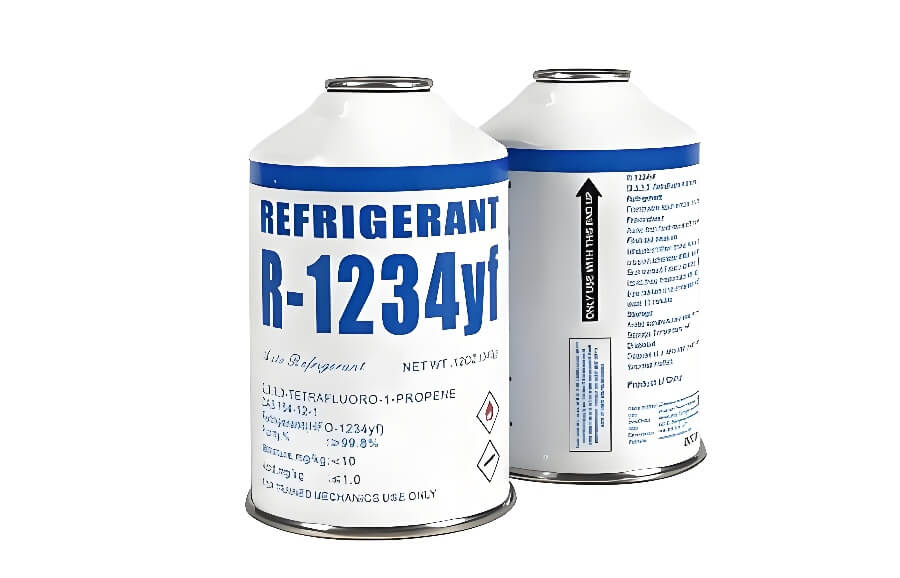
An environmentally friendly refrigerant with low global warming potential (GWP). In recent years, it has become one of the mainstream choices for new energy vehicles. It is now standard equipment for European and American automakers. It represents one of the common advanced solutions for environmental transition.
1. Advantages:
ODP=0, GWP≈4, making it extremely environmentally friendly. Additionally, it offers high compatibility with existing air conditioning systems, requiring only the addition of a heat recovery pipe to replace R134A. Finally, it complies with automotive regulations in the EU, US, and other regions.
2. Disadvantages:
Significantly higher cost than R134a, primarily due to patent restrictions, though this may ease after 2030. Additionally, it exhibits slight flammability, necessitating strict design and safety standards.
3. Bus Air Conditioner Applicability:
Suitable for most new electric buses and a common choice for light-duty vehicles and city buses.
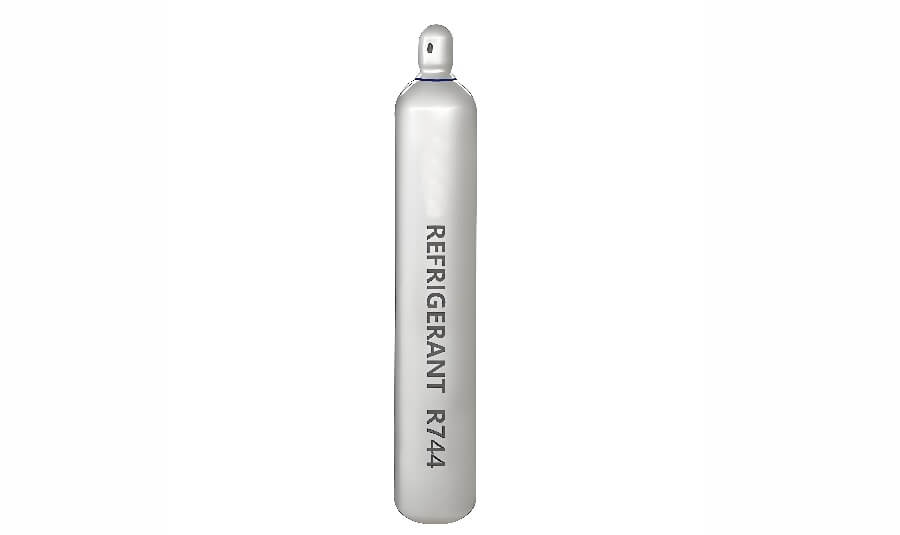
R744 refers to carbon dioxide refrigerant. It is a natural refrigerant with ODP=0 and GWP=1. Its characteristics include high efficiency and energy savings, safety and non-toxicity, but it operates at high pressure and has high initial costs. It is suitable for large systems such as bus air conditioning.
1. Advantages:
Naturally eco-friendly with GWP=1, non-toxic and non-flammable, offering exceptional safety. Additionally, it provides high heat transfer efficiency and significant energy savings. Its performance is particularly outstanding in heat pump heating mode.
2. Disadvantages:
Extremely high operating pressure exceeding 120 bar, 6-10 times that of conventional refrigerants. This necessitates high-strength piping, compressors, and sealing designs. Initial investment is high, low-temperature efficiency is slightly lower, and professional system design is required.
3. Bus A/C Applicability:
Highly suitable for countries with winter seasons, where electric bus heat pump heating achieves exceptional efficiency. Some electric buses in countries like Northern Europe have begun piloting its application.
R407C is a blended refrigerant. It has an ODP of 0 and is broadly classified as an environmentally friendly refrigerant. Unfortunately, its GWP remains relatively high, failing to meet new environmental standards. It may face regulatory restrictions in the future.
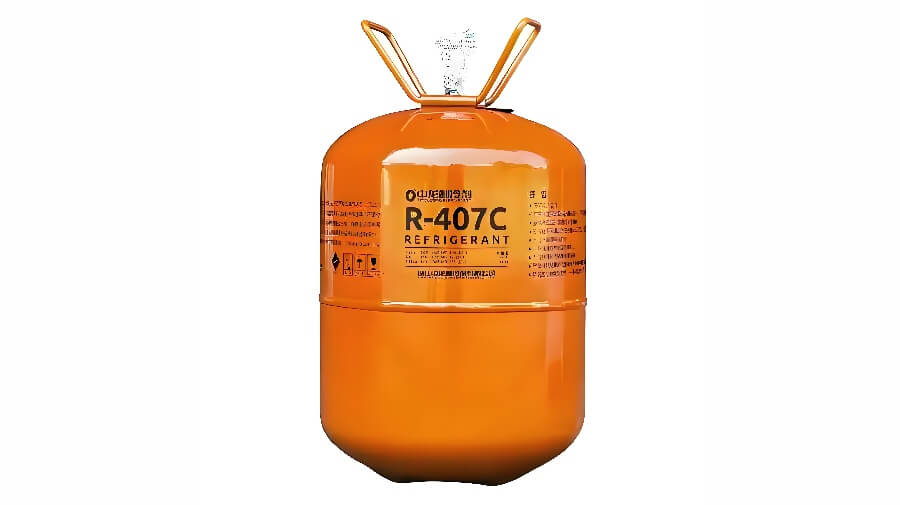
1. Advantages:
High refrigeration efficiency, can directly replace R134a. Typically suitable for large cooling capacities with ample market supply.
2. Disadvantages:
High GWP, restricted in some countries.
3. Bus Applicability:
Currently still used in air conditioning systems for large buses.
| Refrigerant Type | ODP Value | GWP Value | Properties | Primary Applications | Operating Temperature Range |
| R134a | 0 | 1000+ | Environmentally Friendly (Chlorine-Free) | Compact Car Air Conditioning, Old Vehicle Air Conditioning | -20~50℃ |
| R1234yf | 0 | 4 | Ultra-Low Greenhouse Effect | Premium European and American Models | -40~80℃ |
| R744(CO₂) | 0 | 1 | Naturally Eco-Friendly | Large-Scale Heat Pump Systems, New Energy Buses | -50~120℃ |
| R407C | 0 | 1000+ | Blended Eco-Friendly Refrigerant | High-Capacity Refrigeration Systems | -40~60℃ |
Special Note: Mixing different types of bus air conditioning refrigerants is strictly prohibited, as this may cause compressor damage or even system explosion. Inspection, recovery, and refilling must be performed by qualified professionals.
Low GWP is undoubtedly the future direction. However, this transition will require a lengthy process. Currently, due to higher costs, not all countries have sufficient budgets to implement this change. Wider adoption will only become feasible once the technology matures further and prices decrease.
Short-term: Coexistence of R134A, R407C, and R1234yf, with after-sales maintenance also being a key consideration.
Mid-to-long term: R1234yf costs will decrease due to patent expirations and scaled production, making its widespread adoption highly probable. R744 requires considerable time for refinement due to technical challenges and after-sales issues.
1. Regulatory pressure: U.S. EPA and EU F-Gas regulations are progressively restricting or phasing out high-GWP refrigerants like R134a.
2. Corporate social responsibility: Low-carbon and sustainable credentials have become critical factors in bus company bidding and government subsidy programs.
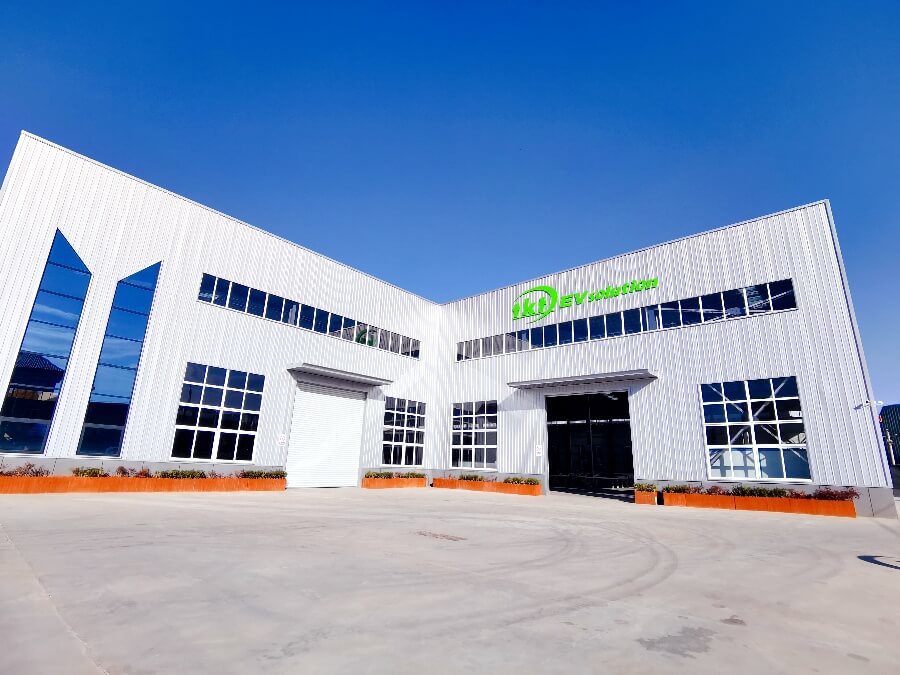
Established in 1998 in Henan, China, TKT is a leading manufacturer and supplier in the field of traditional bus air conditioners and EV bus A/C.
As a reliable partner of global automotive manufacturers like BYD, Tata Motors, Marcopolo, Daewoo, Isuzu, Yutong, Switch Mobility, Neoplan, and CAT, etc, TKT offers OEM services, customized solutions, and excellent after-sales support.
TKT is ISO 9001:2015 and IATF 16949:2016 certified. TKT also holds over a hundred patents for automotive components and systems. Key products have CE, EMI/EMC certificates.

Further reading: 24V Bus Air Conditioner: a new choice for small traditional buses, Bus Air Conditioning Maintenance Manual, Analysis of Indian Bus Air Conditioning System Market
Facebook: https://www.facebook.com/TKTHVAC/
Linkedin: https://www.linkedin.com/company/tkt-hvac
Youtube: https://www.youtube.com/@TKTHVAC