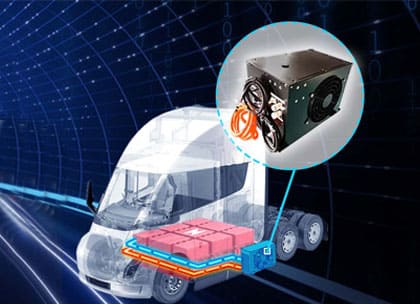
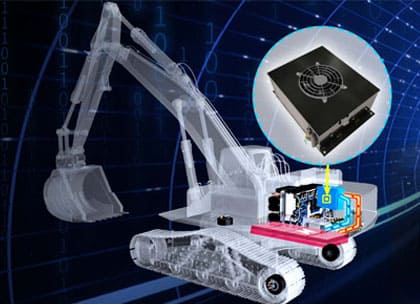
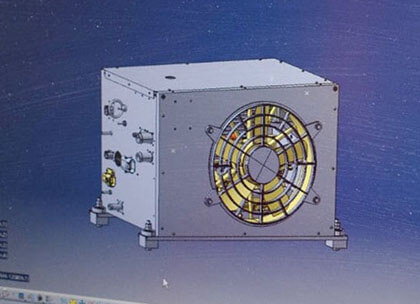
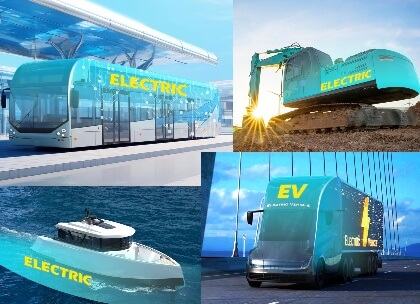
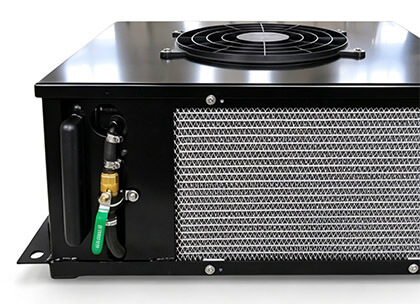
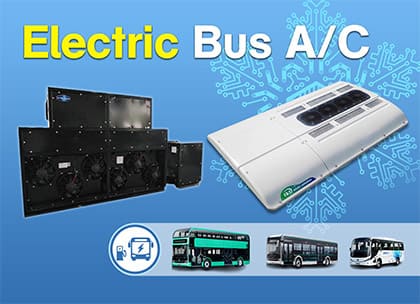
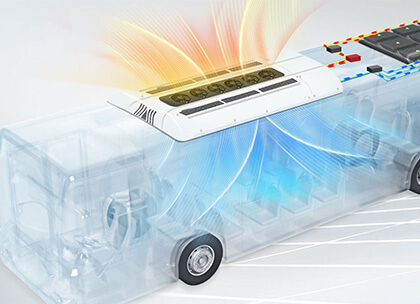
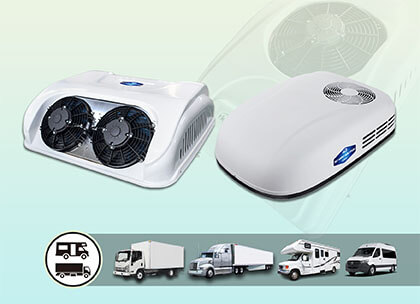
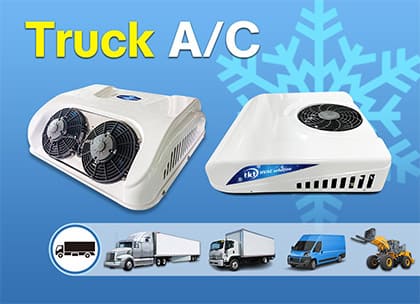
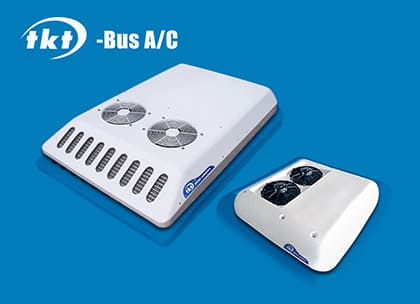
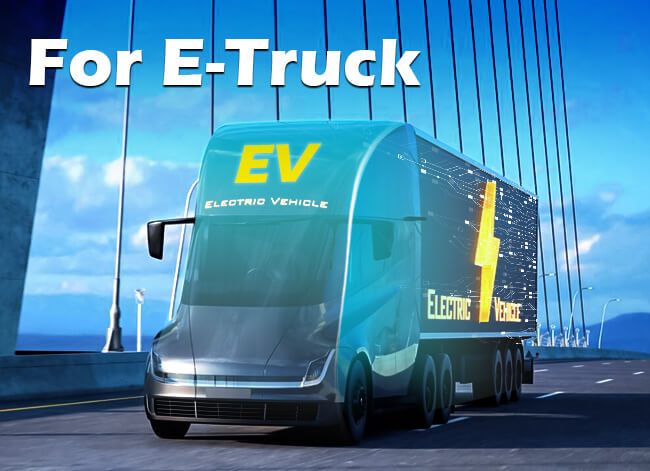
This marks the second collaboration following our initial partnership in 2018 for the electric bus BTMS project. This project focuses on the light-duty electric truck BTMS. It reflects the trust placed in us by TATA Motors, 財富環球 500 公司, and serves as recognition of our design capabilities, 產品品質, 和售後支援.
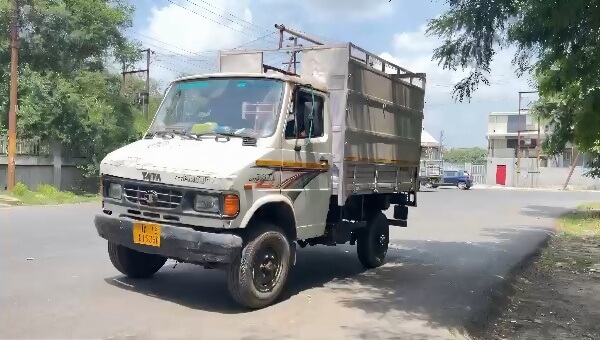
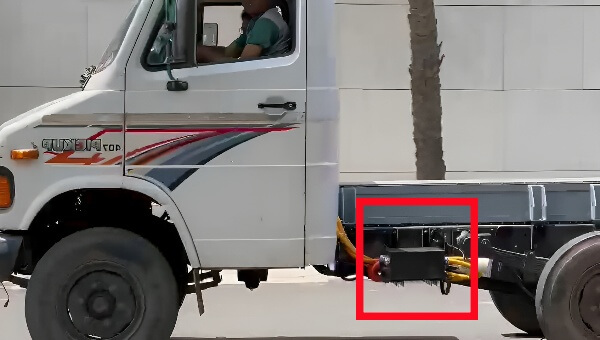

🔹結束了 10 多年的市場驗證
隨著超過 200,000 全球營運單位, 其品質和性能享譽全球.
🔹專利設計
重量更輕, 卓越的冷卻/加熱性能.
🔹更大的冷卻液流量
在最短的時間內維持電池溫度.
🔹CAN控制
防止因誤操作而損壞電池組.
🔹 電氣元件具有IP67防護等級
本質上, 例如電動壓縮機, 水泵浦, 和連接器.
🔹快速OEM/客製化設計 (1 月)
🔹精確的溫度控制 (0.5℃).
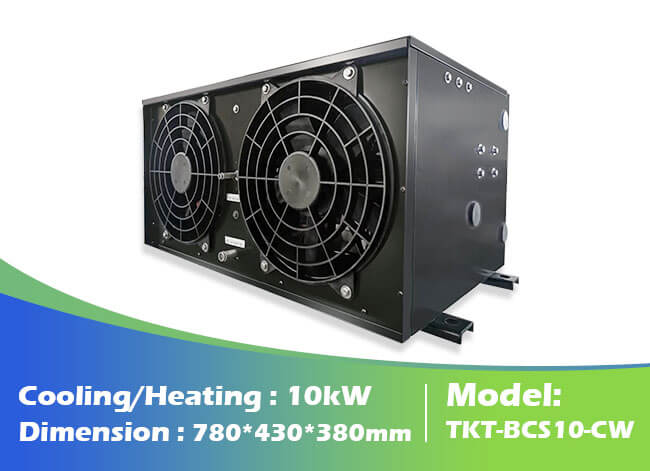
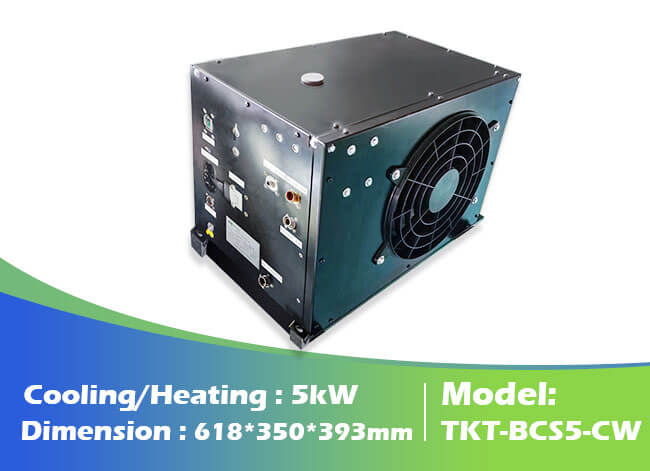
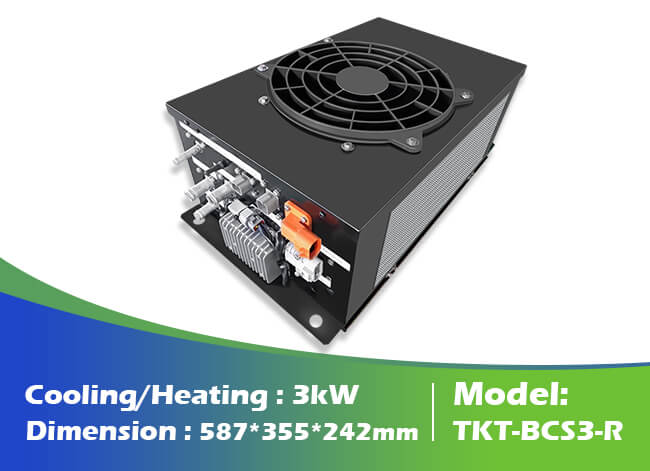
| 模型 | |||
| 冷氣量 | 10千瓦 | 5千瓦 | 3千瓦 |
| 標準尺寸 | 780*430*380毫米 | 620*350*414.5毫米 | 587*355*242 |
| 電池電壓 | 220~450V / 400~750V / 500~900V | ||
| 標準重量 | 40公斤 | 30公斤 | 25公斤 |
| 出風口方向 | 邊 | 邊 | 屋頂 |
| TKT支援客製化開發, 包括尺寸, 冷卻能力, ETC. | |||
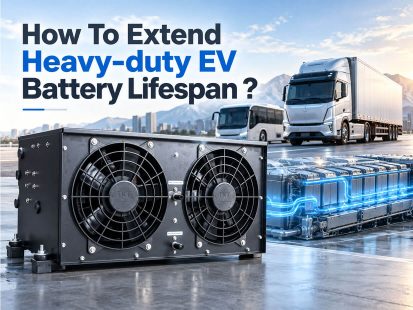
Electric truck BTMS stands for Battery Thermal Management System for electric trucks. It is a battery temperature control system designed specifically for electric trucks. This system cools or heats the battery pack to ensure it operates within the optimal temperature range, thereby improving performance, 安全, and lifespan.
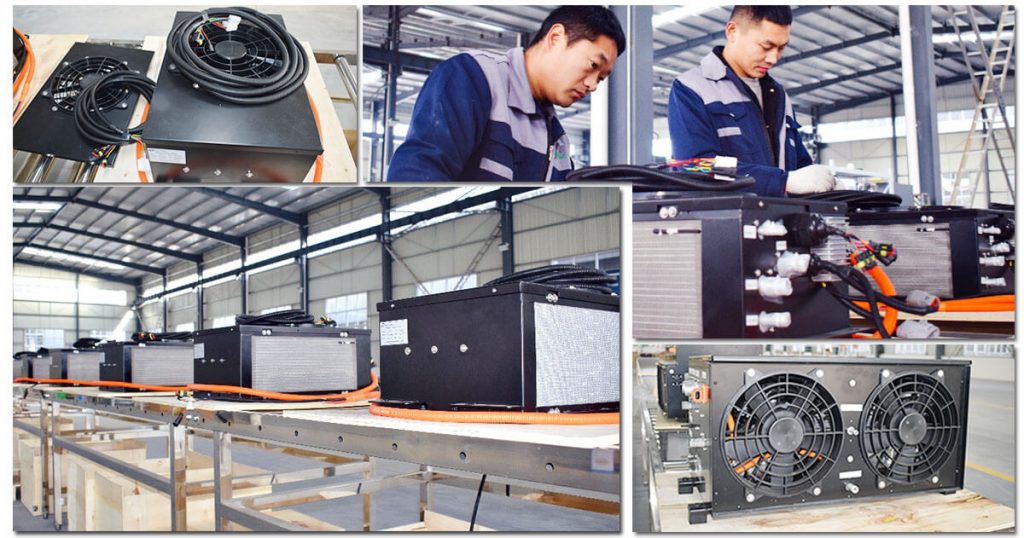
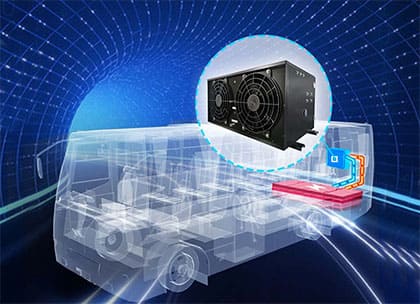
Cooling Cycle Operating Principle: An electronic water pump drives coolant through the cooling plates or liquid cooling pipes within the battery pack, absorbing heat generated by the battery. The high-temperature coolant is then transported to a plate heat exchanger, where it undergoes heat exchange with the refrigerant. The cooled coolant is then recirculated back to the battery.
Purpose of the Cooling Cycle: To rapidly cool the battery during high-power charging or discharging, preventing overheating and thermal runaway.
Heating Mode Circulation Principle: The refrigeration circuit is shut off, and the PTC heater is activated to directly heat the coolant. The high-temperature coolant transfers heat to the battery pack via pipes, ensuring normal battery operation in low-temperature conditions.
Purpose of the heating mode cycle: To enhance battery chemical activity in low-temperature environments using PTC heating, preventing range degradation.
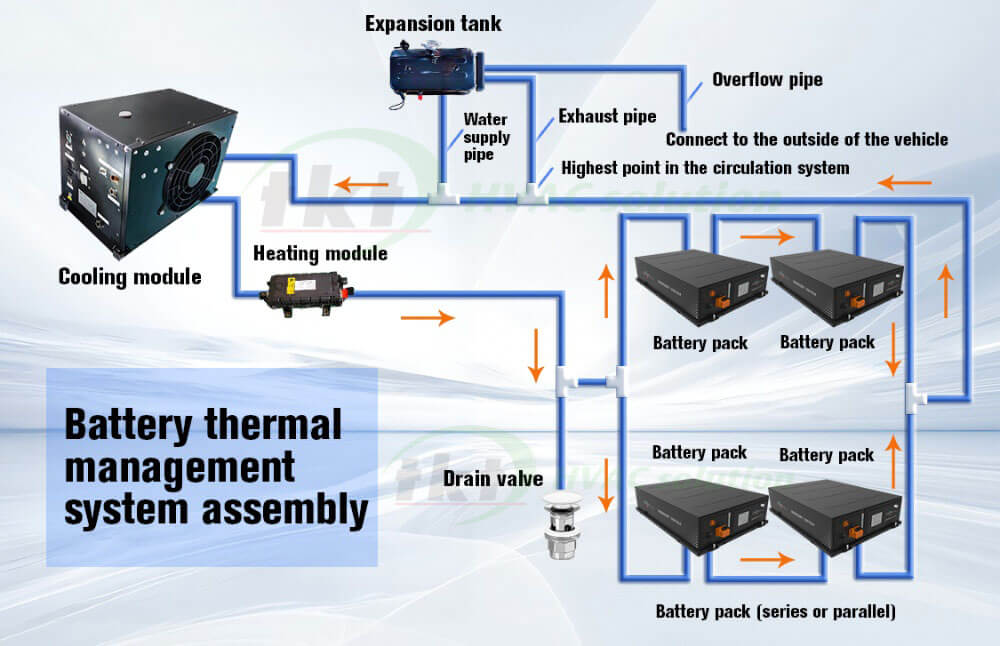
Principle of the temperature equalisation mode: Multiple temperature sensors continuously monitor the temperature of each cell within the battery pack. The control system dynamically adjusts the coolant flow rate and cooling/heating power to reduce temperature differences between cells.
Purpose of the temperature equalisation mode: To reduce temperature differences between battery cells, prevent local overheating or overcooling, and extend battery lifespan.
首先, the core objectives of these two BTMS systems are consistent. Both aim to ensure that lithium-ion batteries operate within their optimal temperature range to prevent thermal runaway, maximise battery performance, extend battery life, and maintain vehicle range.
1. 冷氣量
Electric truck battery packs are massive, with capacities typically five to ten times larger than those of passenger vehicles. This results in significant total heat generation. 另外, heavy trucks require extremely high instantaneous power, such as during acceleration or hill climbing. 所以, electric truck BTMS must be exceptionally well-designed to handle the extreme heat generated during heavy loads, high-speed driving, or rapid charging. The cooling system’s flow rate, heat exchange area, and radiator size all need to be significantly increased.
相比之下, electric passenger vehicles have relatively smaller battery packs and lower power requirements. 通常, a single cooling circuit or battery air cooling system is sufficient.
2. System Complexity and Cost
Electric truck BTMS have stringent cooling capacity requirements. The massive heat dissipation demands necessitate larger water pumps, 壓縮機, heat exchangers, more coolant, and more complex piping. The system design complexity is higher, resulting in significantly higher costs compared to passenger vehicles.
Conventional electric vehicle systems are relatively simple, resulting in lower costs.
總之, the BTMS for electric trucks is a more specialised solution designed to handle extreme thermal loads with stringent performance requirements. 相比之下, the BTMS for passenger vehicles focuses on providing thermal management performance that meets daily needs within limited space and cost constraints.
1. “電動車電池熱管理系統與電池壽命” 點擊此處查看
2. “電動客車電池冷卻系統分析, 卡車” 點擊此處查看
3. “Battery Liquid Cooling System – How Does It Work?” 點擊此處查看
4. “比亞迪K9項目: 電動車電池冷卻系統與客車空調結合” 點擊此處查看
5. “BTMS電池: 原則, 設計, 安裝 – TKT HVAC” 點擊此處查看
6. “卡車電池熱管理系統 / 巴士等. – 提供給頂部 500 塔塔” 點擊此處查看
7. “用於交換器移動性的電池熱管理系統 – TKT” 點擊此處查看
8. “Custom Battery Thermal Management System (BTMS) – TKT 暖通空調” 點擊此處查看
9. “How to Design Bus BTMS Installation Location” 點擊此處查看
10. “電池冷卻 | 電池熱管理系統 – TKT” 點擊此處查看
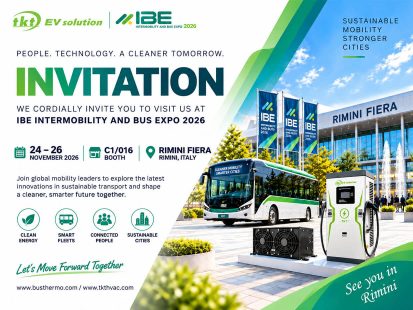
什麼是 IBE 互聯互通和巴士博覽會? TKT 為什麼要參與? 本文將解釋以下情況 2026 詳細.