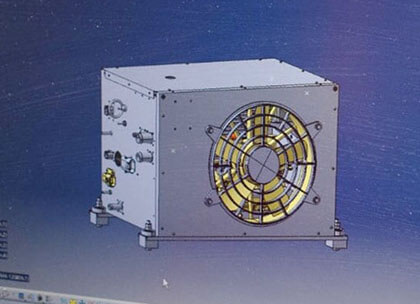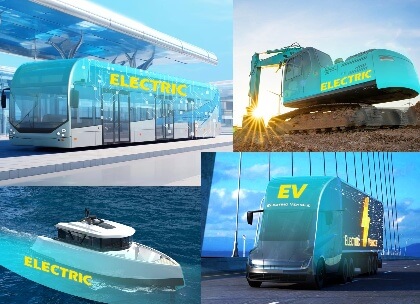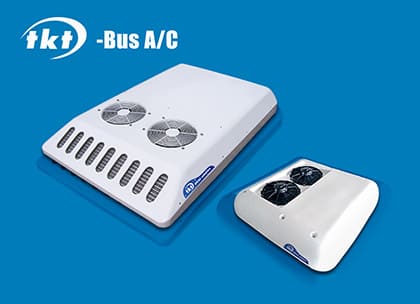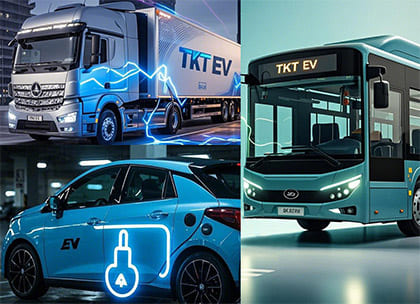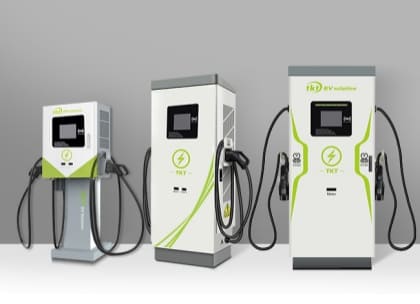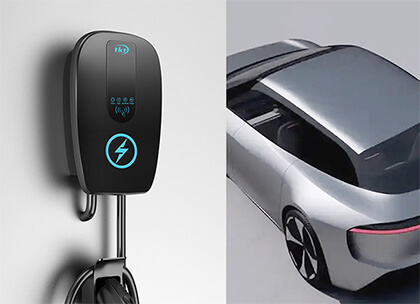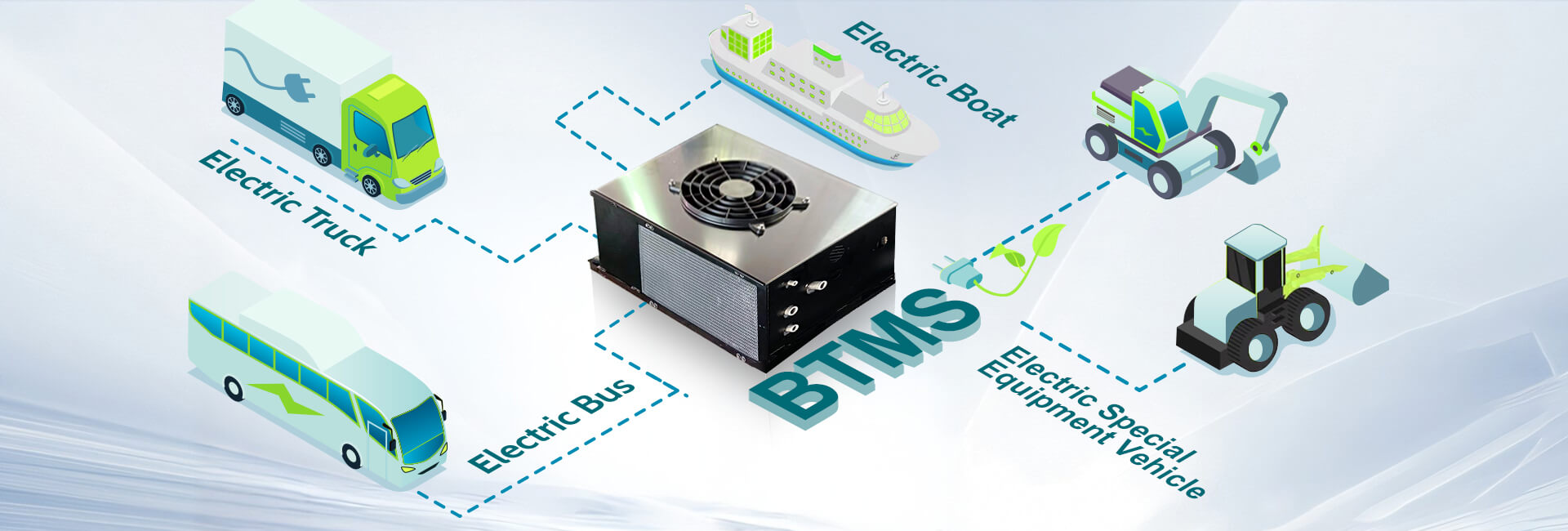
TKT is a leading global expert in battery thermal management system solutions. Designed for electric buses, 電動卡車, 電動重型設備, 和電動船.
1. Cooling Method: 液冷
2. Applicable Battery Voltage: DC 220~450V / 400~750V / 500~900V
3. 冷氣量: 3千瓦-10千瓦
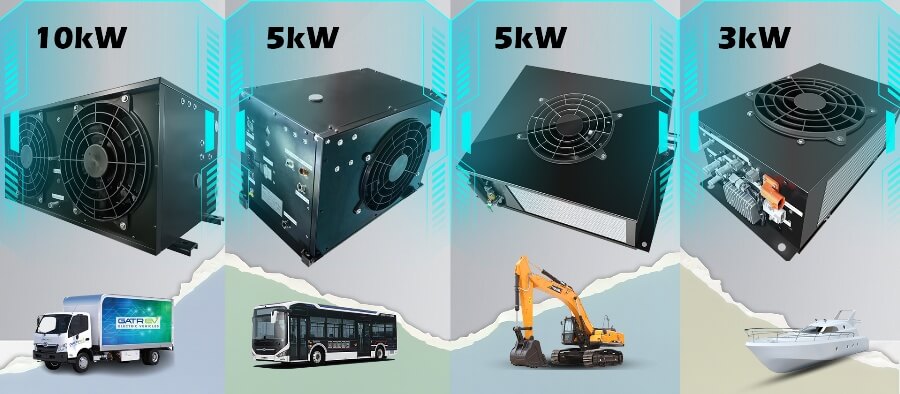
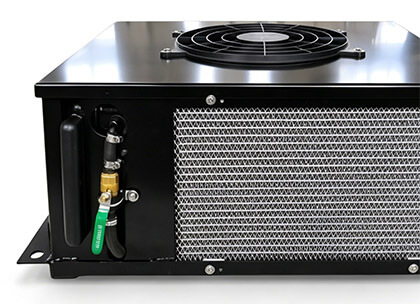
We leverage 10+ years of experience in vehicle thermal management and industry-leading design and manufacturing capabilities to enhance the performance of your commercial vehicles. Our battery thermal management products are renowned for their powerful cooling performance of up to 10 千瓦, precise temperature control to within 0.5 度, plug-and-play design, and OEM/ODM customization.




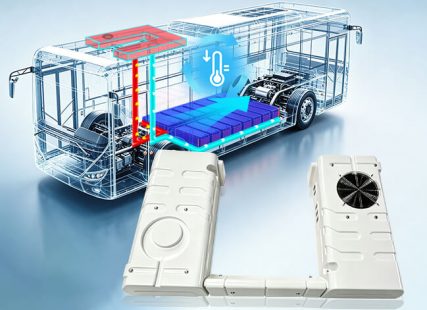
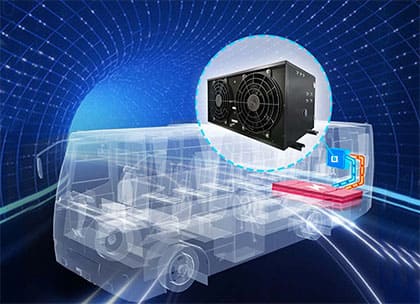
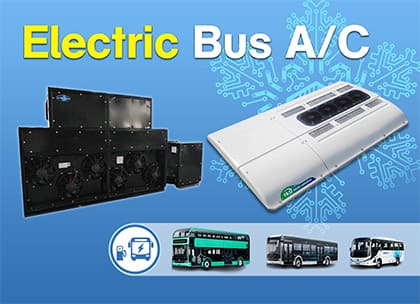
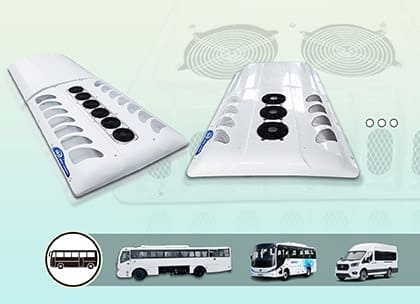
Specially designed for electric bus BTMS, 電池液冷.
1. 冷氣量: 10千瓦 / 8千瓦 / 5千瓦 / 3千瓦
2. Voltage Range: DC 220~450V / 400~750V / 500~900V
3. 客製化: 加熱 / 冷卻 / 代加工 / 尺寸
4. 優點: 0.5 ℃ precise temperature control. Plug and play. 財富 500 supplier.
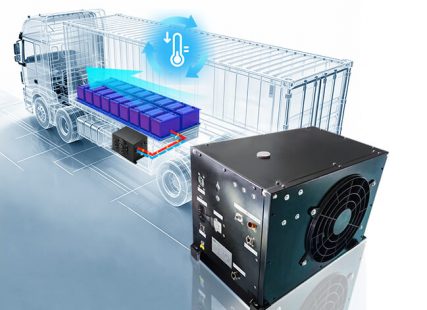
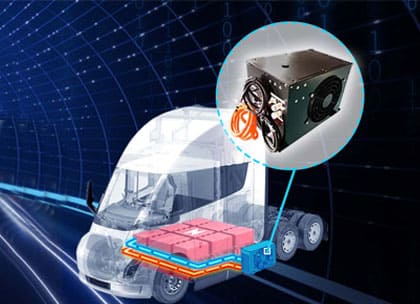
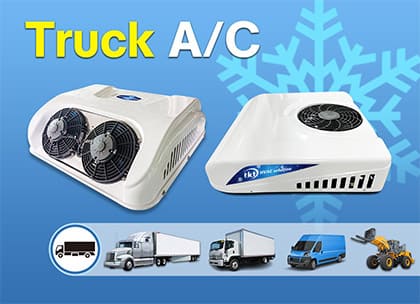
Specially designed for electric truck BTMS, 電池液冷.
1. 冷氣量: 10千瓦 / 5千瓦 / 3千瓦
2. Voltage Range: DC 220~450V / 400~750V / 500~900V
3. 客製化: 加熱 / 冷卻 / 代加工 / 尺寸
4. 優點: 0.5 ℃ precise temperature control. Plug and play. 財富 500 supplier.
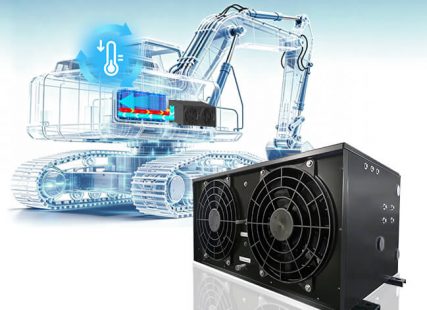
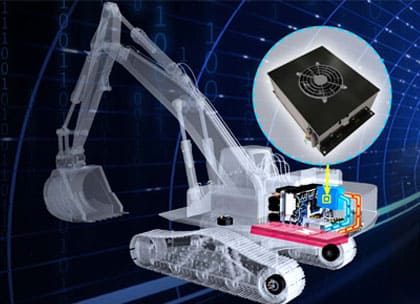
Specially designed for heavy equipment BTMS, 電池液冷.
1. 冷氣量: 10千瓦 / 8千瓦 / 5千瓦
2. Voltage Range: DC 220~450V / 400~750V / 500~900V
3. 客製化: 加熱 / 冷卻 / 代加工 / 尺寸
4. 優點: 0.5 ℃ precise temperature control. Plug and play. 財富 500 supplier.
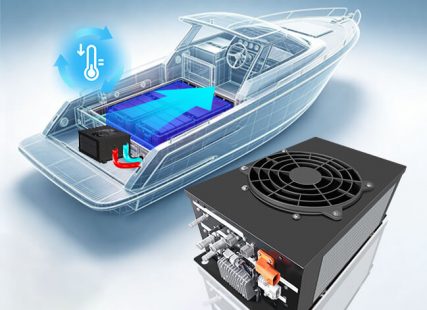
Specially designed for electric marine BTMS, 電池液冷.
1. 冷氣量: 10千瓦 / 8千瓦 / 5千瓦
2. Voltage Range: DC 220~450V / 400~750V / 500~900V
3. 客製化: 加熱 / 冷卻 / 代加工 / 尺寸
4. 優點: 0.5 ℃ precise temperature control. Plug and play. 財富 500 supplier.
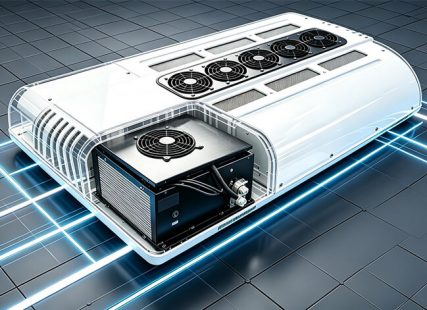
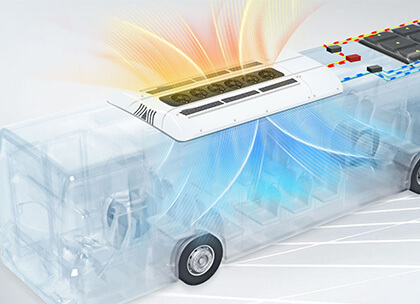
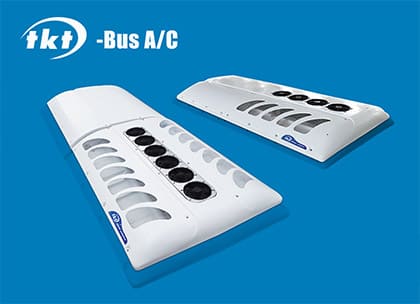
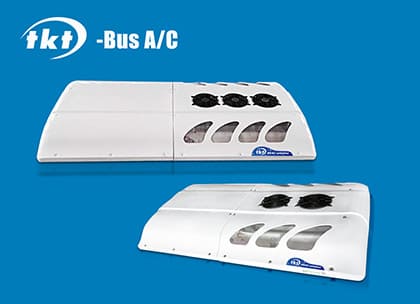
TKT EV thermal management system uses innovative technology to integrate electric bus A/C and BTMS. It can also be called A/C combine chiller or vehicle thermal management system (VTMS).
1. 應用: 純電動客車
2. 優點: 提高效率, 節省空間, 減少維修, 節省成本
3. 電動巴士空調冷卻能力: 42千瓦 / 143英熱單位
4. BTMS 冷卻能力: 8千瓦 (可選加熱)
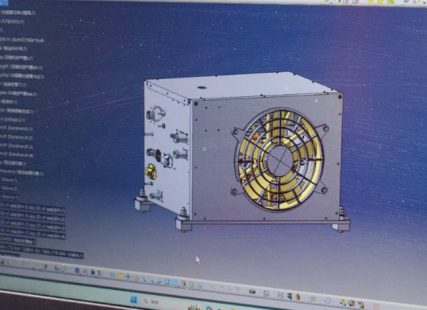
TKT provides custom battery chiller services for all electric heavy-duty equipment. Voltage range is DC 220~450V / 400~750V / 500~900V.
1. Fast OEM/ Customized Design (1 month)
2. 精確的溫度控制 (0.5 你C)
3. CAN Control to avoid the wrong operation to damage battery pack
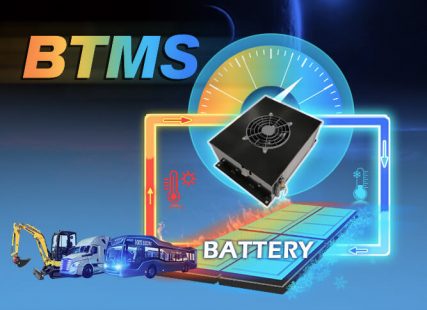
China battery thermal management system manufacturer. Suitable for all heavy-duty electric equipment, with a voltage range of DC 220~450V / 400~750V / 500~900V. Cooling capacity range 3-10kW.
1. Control: Plug and Play; CAN Control
2. 溫度控制: ±0.5℃ Precise
3. 世界頂尖 500 比亞迪 / 塔塔供應商
4. 10 Years of Experience in R&D and Design
Battery thermal management (BTM) involves actively or passively regulating the temperature of a battery pack to maintain it within the ideal operating range of 10°C–45°C. More advanced technical requirements also include controlling the temperature difference between each battery in the battery pack to below 5°C. Its core functions include cooling, 加熱, and temperature balancing, ensuring safe and efficient operation of the battery pack under various environmental conditions.
Its core objectives are:
1. Prevent thermal runaway: Avoid high temperatures triggering chain exothermic reactions (such as fires or explosions);
2. Optimise battery performance: Heat the battery pack at low temperatures to enhance discharge capacity and cool it at high temperatures to maintain power output;
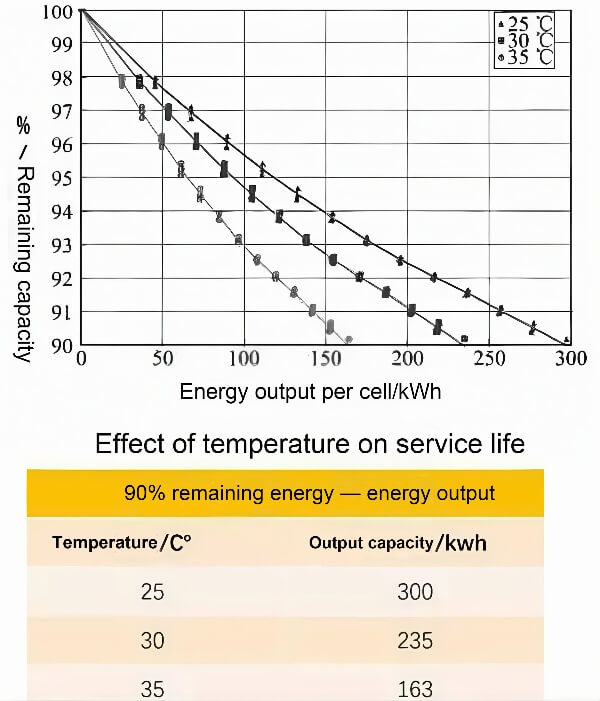
3. Extend battery lifespan: Reduce temperature fluctuations that cause battery degradation (such as lithium plating or thickening of the SEI film).
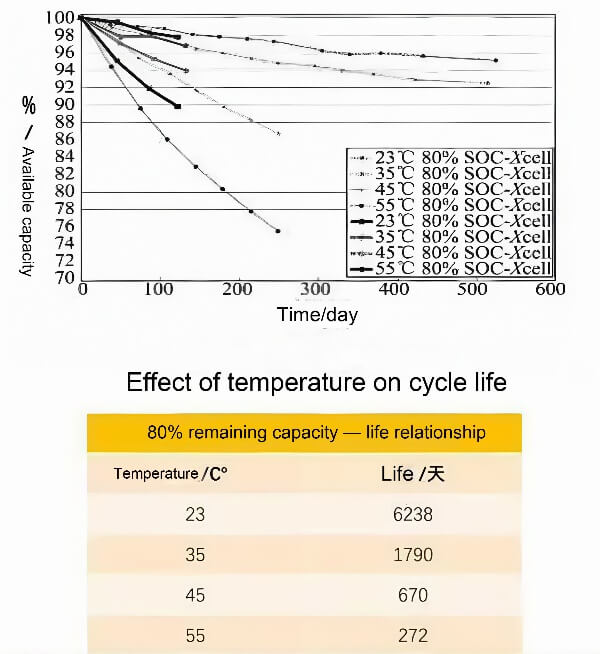
Power batteries are the energy source for electric vehicles. During charging and discharging, the batteries themselves generate a significant amount of heat, leading to an increase in temperature. Elevated temperatures can affect various battery characteristics, such as internal resistance, 電壓, state of charge (SOC), available capacity, charging/discharging efficiency, and battery lifespan.
Battery thermal effects also impact vehicle safety, 表現, and battery cycle life. I will elaborate on these points in the following sections, so please continue reading. 所以, battery thermal management is of utmost importance.
現在, the most reliable and practical solution for EV battery thermal management is liquid cooling technology. I will use liquid cooling as an example to explain.
1. Heat absorption (battery → coolant)
The heat generated during battery charging and discharging is transferred to the liquid cooling plate in contact with the battery via thermal conduction. The coolant flows through the microchannels inside the liquid cooling plate, absorbing heat through convective heat exchange, causing the coolant temperature to rise.
2. Heat transfer (coolant → radiator)
The heated coolant is driven by an electric water pump and transported through pipes to the radiator. The radiator dissipates the heat into the environment through forced air cooling, causing the coolant temperature to decrease.
3. 循環
The cooled coolant returns to the liquid cooling plate, forming a closed-loop circulation.
總之, its operating principle is based on the physical mechanisms of heat conduction and convective heat transfer, achieving the absorption, transfer, and dissipation of battery heat through a closed-loop coolant system.
一般來說, there are two main types: active cooling and passive cooling. The main difference is whether energy consumption occurs. If energy consumption occurs, it is active cooling; if there is zero energy consumption, it is passive cooling.
The active cooling system includes the following:
1. Air-cooled cooling system
This system primarily utilises the principle of air convection to circulate air within the battery compartment. The circulating air carries away heat from the batteries, thereby lowering their temperature. 同時地, the air undergoes further heat exchange within the evaporator, where the refrigerant evaporates to reduce the temperature of the circulating air.Advantages: Simple system structure, 低成本, and easy maintenance.
缺點: Poor high-temperature heat dissipation performance, low low-temperature startup efficiency, and uneven stability between batteries.
2. Refrigerant direct cooling system
This system primarily utilises the latent heat of evaporation principle of refrigerants. An air conditioning system is established within the battery system, with cooling plates installed within the battery system. Refrigerant evaporates within the cooling plates, rapidly and efficiently removing heat from the battery system to achieve cooling.
優點: 結構簡單, theoretically uniform temperature distribution, and good cooling performance;
缺點: 現在, the technology is not yet mature, and commercialisation is unlikely in the short term.
3. Integration: Shared Water-Cooled Cooling System
A plate heat exchanger is added and coupled to the air conditioning system. The batteries exchange heat with the coolant through the cooling plates. The cooled or heated coolant is pumped into the plate heat exchanger, where refrigerant flows into one side and coolant flows into the other. Heat is removed by the refrigerant, and the coolant flows out of the plate heat exchanger and back into the batteries, completing the cycle.
優點: Compact structure, integrated battery heating components, high low-temperature start-up efficiency, excellent high-temperature cooling, and uniform temperature distribution.
缺點: Multiple system components and complex control strategy.
4 Independent Battery Liquid Cooling System
When the battery needs cooling, it exchanges heat with the coolant through the cooling plate. The heated coolant is pumped into the plate heat exchanger by an electronic water pump. Inside the plate heat exchanger, refrigerant flows into one side and coolant flows into the other, where heat is exchanged. The heat is removed by the refrigerant, and the coolant flows out of the plate heat exchanger and back into the battery, completing the cycle.
When the battery needs heating, the cooling circuit is closed and the PTC liquid heater is activated. The heated coolant is then fed into the battery, where it heats the battery through the cooling plate. The internal battery temperature is controlled by controlling the cooling circuit and the PTC liquid heater.
優點: Compact structure, integrated battery heating components, high low-temperature starting efficiency, excellent high-temperature cooling, and uniform temperature distribution.
缺點: Multiple system components and complex control strategy.
The independent battery liquid cooling system consists of a compressor, 冷凝器, 膨脹閥, plate heat exchanger, electronic water pump, PTC液體加熱器, expansion tank, and electrical control.
Passive cooling systems include the following:
1. Phase Change Material Battery Thermal Management (PCM-BTM)
This system utilizes the latent heat properties of phase change materials (PCMs), absorbing or releasing heat through solid-liquid phase transitions. It transfers heat through the physical properties of the material, eliminating the energy consumption of active cooling systems.
優點: No energy consumption, consistent temperature.
缺點: Heavy weight, short lifespan.
2. Heat Pipe Technology
Heat pipe technology is a highly efficient thermal conductivity element that utilizes phase change in liquids for heat transfer. It consists of a tube shell, a wick, and end caps. A negative pressure is created inside the tube and filled with a low-boiling-point liquid. When one end is heated, the liquid evaporates and vaporizes. The vapor flows to the cold end, condensing and releasing heat. The condensed liquid then flows back to the evaporating end through capillary action, forming a cycle.
優點: No energy consumption, uniform temperature.
缺點: High cost and complex design. It is primarily used in spacecraft equipment.
| Coolant Type | 導熱係數 (瓦/米·K) | Specific Heat Capacity (kJ/kg·K) | 優點 | 缺點 |
| Ethylene glycol aqueous solution | 0.4 | 3.5 | Antifreeze, 低成本 | High viscosity, pumping power, oxidation, acid generation, metal corrosion |
| Fluorinated Fluid | 0.07–0.08 | 1.1 | Non-flammable, good insulation, non-corrosive | 成本高, high GWP |
| Deionized water | 0.6 | 4.18 | Optimal thermal conductivity, environmentally friendly | High electrical conductivity can cause short circuits |
| Mineral oil | 0.1–0.15 | 1.8 | Good insulation, moderate cost | Susceptible to oxidation and decomposition, high viscosity, poor fluidity |
| 奈米流體 | 0.5–0.8 | 2.2 | 40% higher thermal conductivity, suitable for high power density | 成本極高, risk of particle settling |