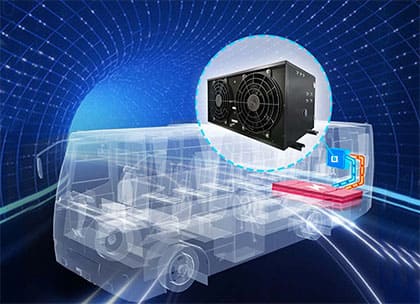
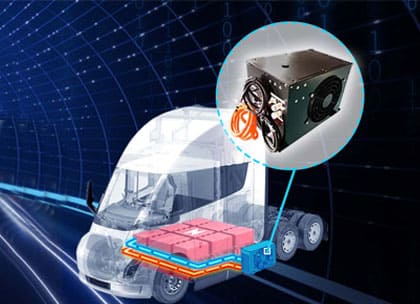
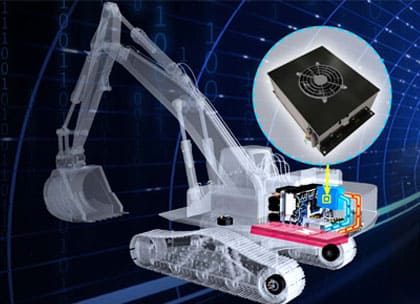
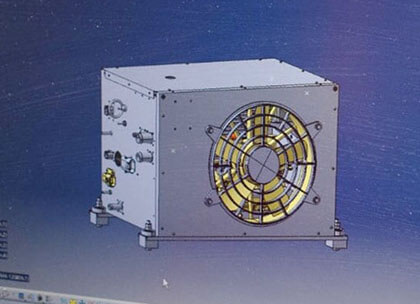
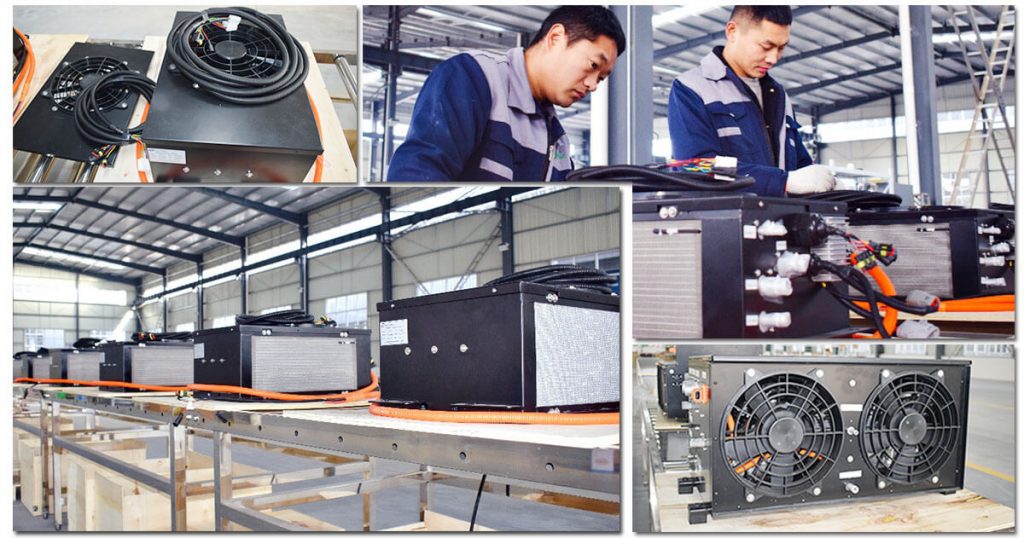
TKT was founded in 1998. We possess extensive battery thermal management system design experience and manufacturing capabilities. TRONG 2018, we partnered with TATA Motors, một vận may 500 công ty, to develop a custom BTMS. After undergoing multiple rounds of rigorous testing, our product received recognition and praise. Shortly thereafter, we entered into a second collaboration with them on aBTMS for electric trucks.
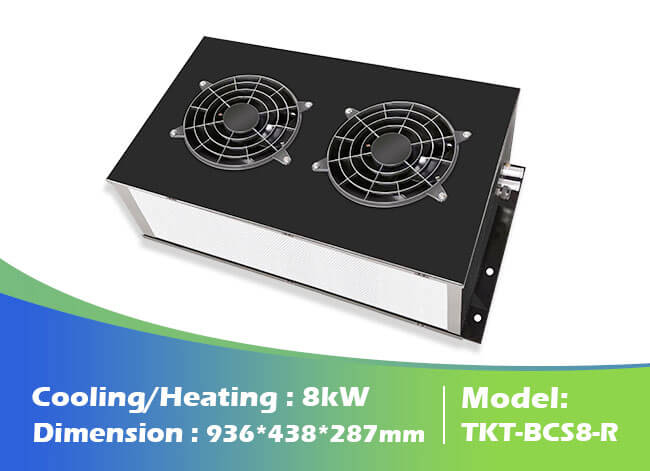
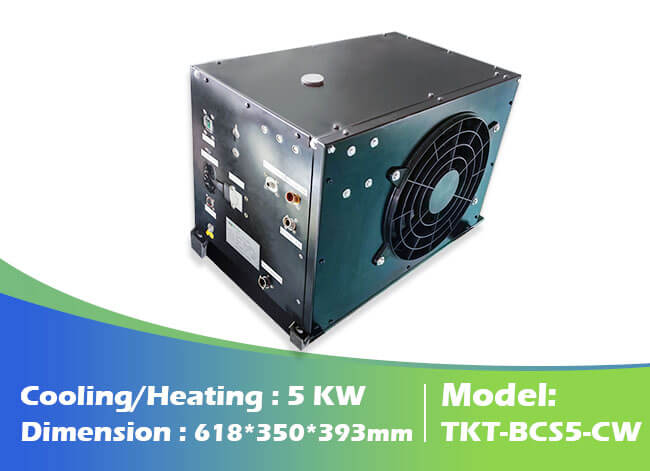
🔹 Over 10 năm xác nhận thị trường Với hơn 200,000 units in operation globally, its quality and performance are renowned worldwide. 🔹 Patented design Lighter weight, superior cooling/heating performance. 🔹 Larger coolant flow rate Maintains battery temperature in the shortest time. 🔹 CAN control Prevents damage to the battery pack due to misoperation. 🔹 Electrical components with IP67 protection rating Essentially, such as electric compressors, máy bơm nước, and connectors. 🔹 Rapid OEM/custom design (1 month) 🔹 Precise temperature control (0.5oC).
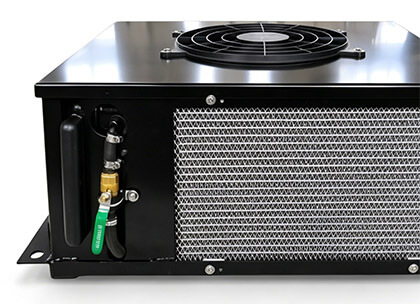
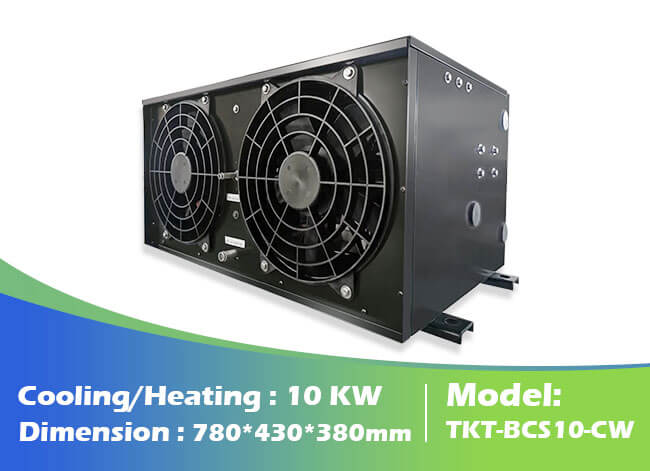
TKT Electric Heavy Equipment BTMS Specifications
Model
Công suất làm mát
10kW
5kW
Standard Dimensions
780*430*380mm
750*550*293mm
Battery Voltage
220~450V / 400~750V / 500~900V
Standard Weight
40kg
40kg
Air Outlet Direction
Side
Đứng đầu
TKT supports custom development, including size, công suất làm mát, vân vân.
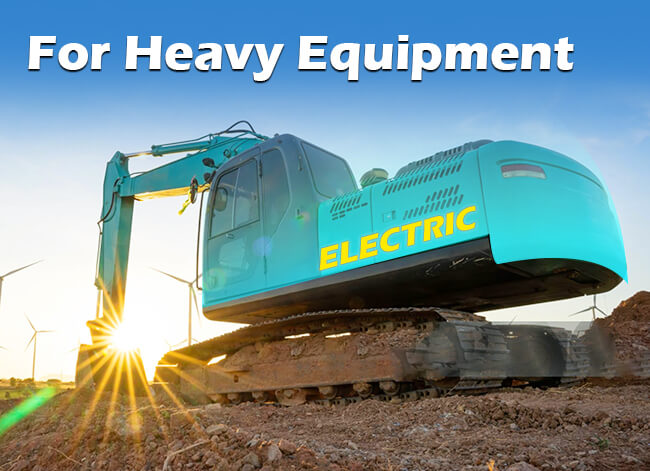
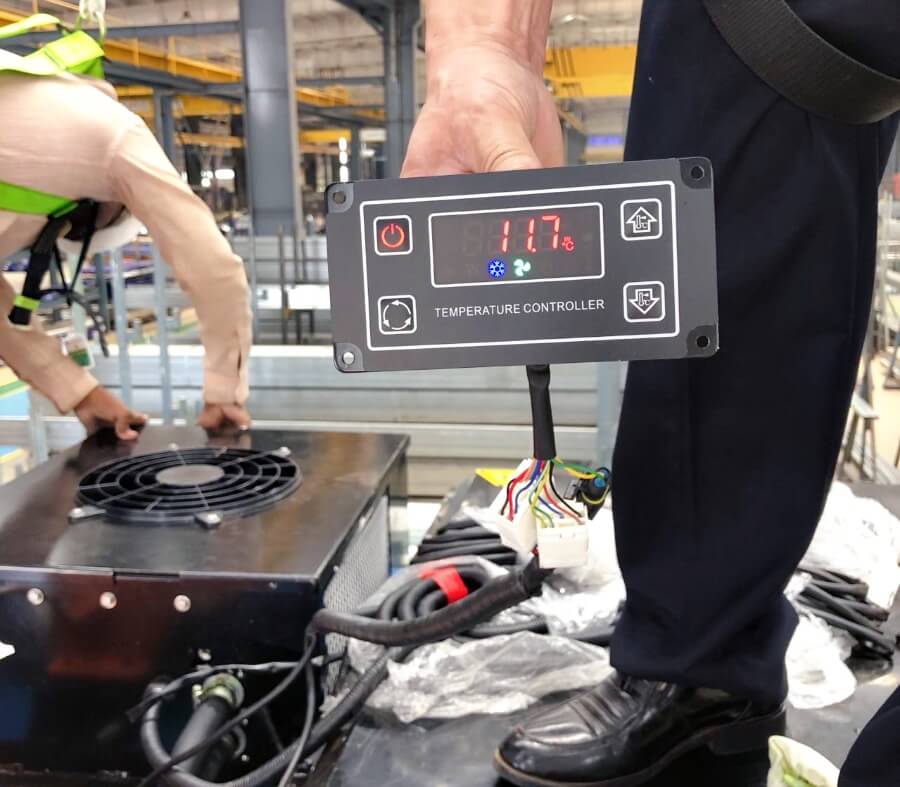
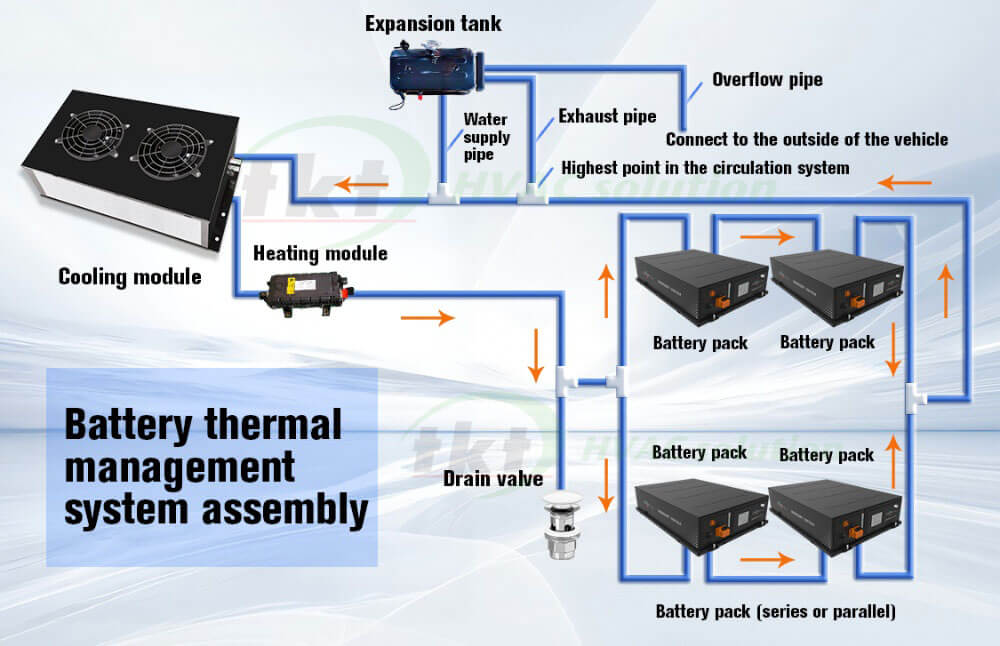
Heavy equipment typically refers to construction machinery and mining equipment, which operate in harsh environments such as high temperatures, high vibration, and high dust levels. The electric heavy equipment BTMS (Hệ thống quản lý nhiệt pin) is a specialized temperature control system that cools and heats the power batteries in these devices. Batteries operating within the appropriate temperature range can achieve their maximum performance, extend their lifespan, and prevent thermal runaway in heavy equipment, making it safer.
Batteries in electric heavy equipment typically have capacities ranging from 300 ĐẾN 600 kWh, or even 700 kWh. These batteries experience higher instantaneous charge and discharge currents, generating more heat and placing more stringent heat dissipation requirements. Vì thế, the heavy equipment BTMS requires a robust heat dissipation design to withstand extreme temperatures. To meet these demands, the battery cooling system must utilize liquid cooling, which is currently the most mature and economical battery cooling method.
Challenges of Heavy Equipment BTMS in Extreme Environments
1. High Temperature: Battery temperatures can soar above 85°C (ví dụ., in desert mining areas) during continuous exposure to sunlight or high-load operation.
2. High Vibration and Shock: When operating or traveling on rough terrain, construction machinery experiences vibrations up to 20-50Hz, making traditional liquid cooling pipes susceptible to loosening or leakage.
3. High Dust and Corrosive Environments: Mine dust can easily clog heat dissipation channels, and salt spray corrosion (ví dụ., in coastal operations) can corrode metal components, degrading insulation performance.
4. Instantaneous High-Power Charging and Discharging: When electric mining trucks climb slopes or start under heavy load, instantaneous currents can reach hundreds of amperes, generating tens of kilowatts of heat from the batteries. Traditional battery air cooling systems struggle to meet these requirements.
+ BTMS and BMS for Electric Heavy Equipment
BTMS and BMS for electric heavy equipment are the two core subsystems of the battery system. They achieve comprehensive battery management through data sharing and collaborative control.
1. Data Sharing: The BMS transmits battery parameters such as SOC, SOH, and charge and discharge currents to the BTMS in real time. The BTMS dynamically adjusts cooling and heating power based on this data. 2. Collaborative Control: When the BMS detects an overheating alarm, it immediately initiates forced cooling. If it predicts a low temperature, it initiates preheating. Ngược lại, if the BTMS detects a cooling system failure, it automatically limits charge and discharge power to prevent battery overheating. They work together to ensure equipment safety and avoid the terrible phenomenon of thermal runaway.