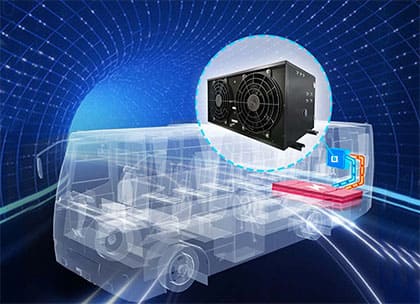
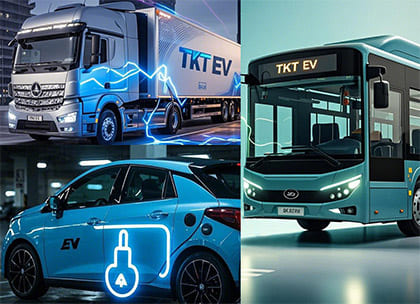
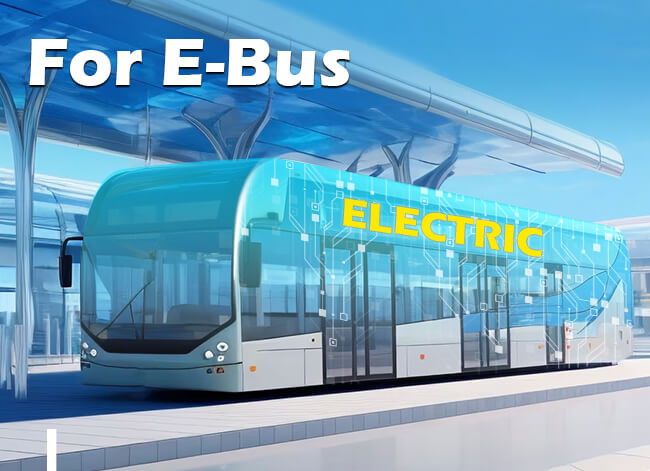
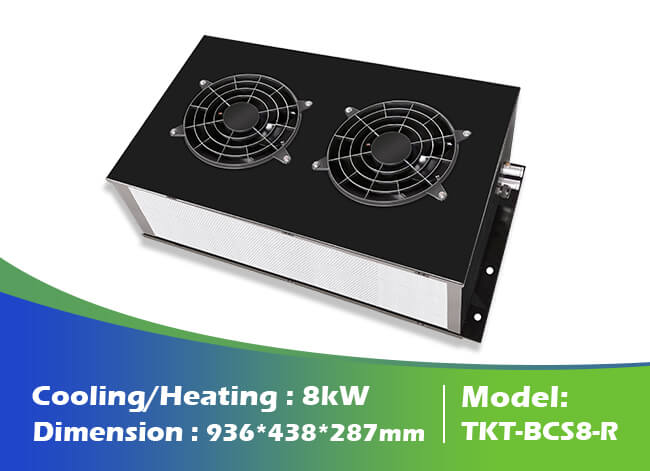
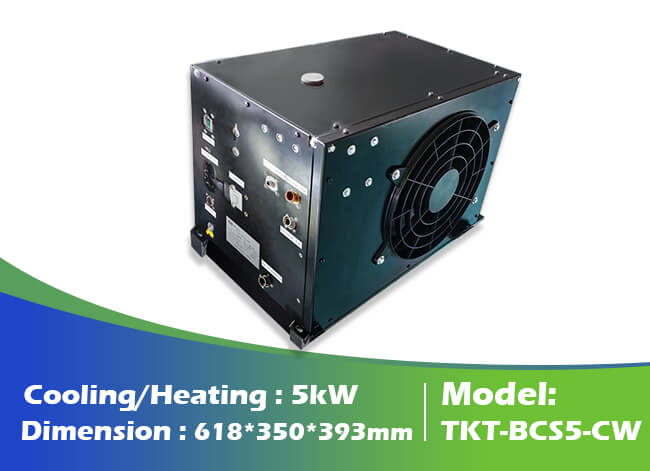
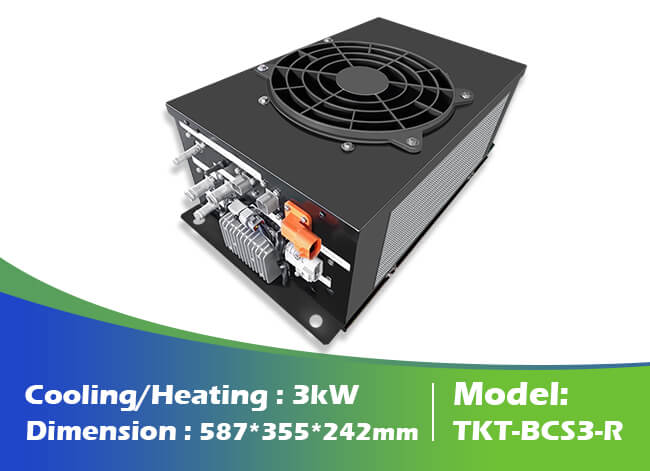
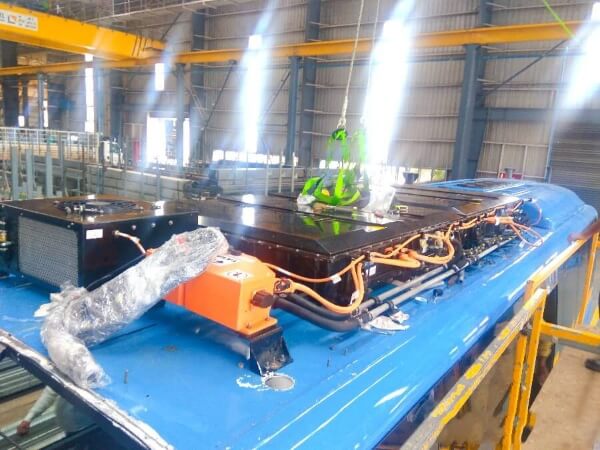
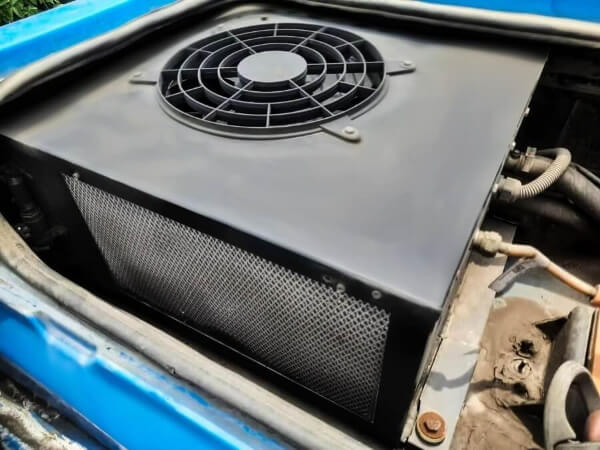
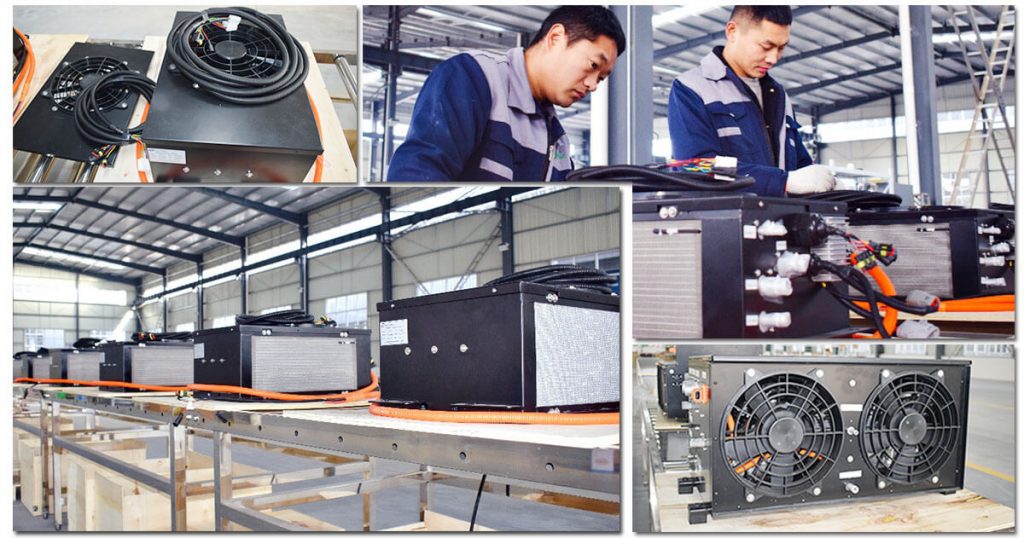
As early as 2018, we established a deep partnership with TATA Motors, một vận may 500 công ty. We custom-developed a 9m electric bus air conditioner and electric bus BTMS. After undergoing multiple rounds of rigorous testing, we became their designated supplier of electric bus air conditioners and BTMS.
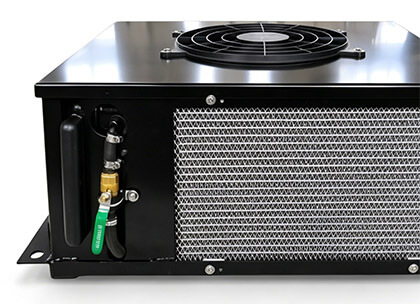
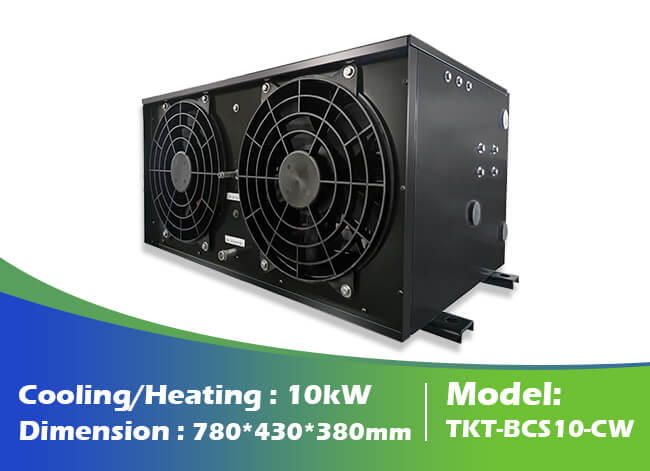
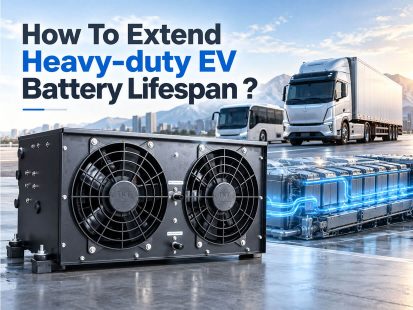
Electric Bus BTMS For TATA
TATA – Vận may 500 Công ty
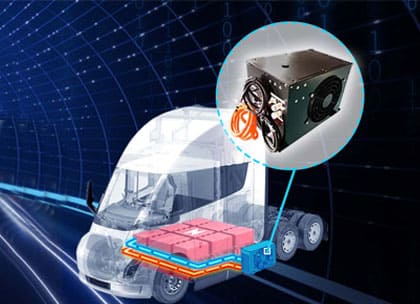
Sau đó, TATA Motors initiated another collaboration project with us for theBTMS system of electric trucks. These collaborations serve as a testament to our design capabilities, product quality, and after-sales support.
🔹 Over 10 năm xác nhận thị trường Với hơn 200,000 units in operation globally, its quality and performance are renowned worldwide. 🔹 Patented design Lighter weight, superior cooling/heating performance. 🔹 Larger coolant flow rate Maintains battery temperature in the shortest time. 🔹 CAN control Prevents damage to the battery pack due to misoperation. 🔹 Electrical components with IP67 protection rating Essentially, such as electric compressors, máy bơm nước, and connectors. 🔹 Rapid OEM/custom design (1 month) 🔹 Precise temperature control (0.5oC).
Electric Bus BTMS Specification Sheet
Model
Công suất làm mát
10kW
5kW
5kW
3kW
Standard Dimensions
780*430*380mm
750*550*293mm
620*350*414.5mm
587*355*242mm
Standard Weight
40kg
40kg
30kg
25kg
Battery Voltage
220~450V / 400~750V / 500~900V
Air Outlet Direction
Side
Đứng đầu
Side
Đứng đầu
TKT supports custom development, including size, công suất làm mát, vân vân.
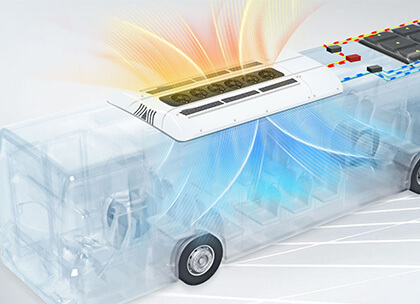
BTMS stands for Battery Thermal Management System. The electric bus BTMS is a core system specifically designed to regulate the temperature of the electric bus’s power battery. It ensures the battery operates within a safe and efficient temperature range to improve performance, extend lifespan, and avoid thermal runaway. Electric bus BTMS utilizes large-capacity power batteries, tạo ra nhiệt lượng đáng kể. Vì thế, liquid battery cooling systems are currently used.
TKT’s electric bus BTMS is fully automated. It communicates with the vehicle controller and battery management system via the CAN bus, synchronizing battery temperature data in real time and adjusting operating frequency.
Composition of Electric Bus BTMS
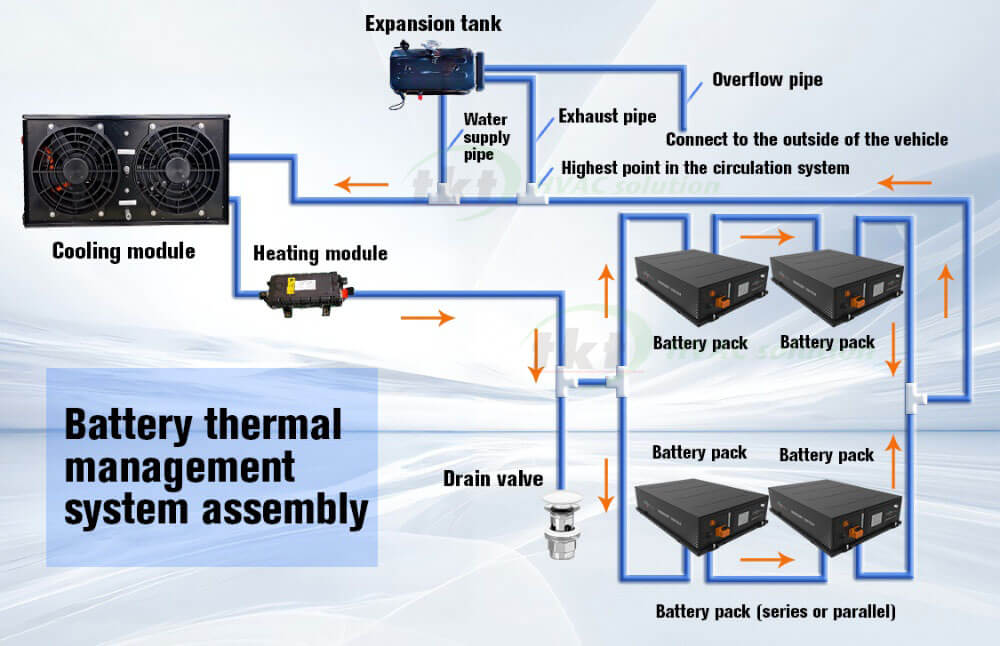
The BTMS system for electric buses typically includes cooling, sưởi ấm, làm mát, and electrical systems.
1. The cooling system consists of a compressor, bình ngưng, plate heat exchanger, and water pump. It circulates the coolant to cool the battery. 2. The heating system uses a PTC water heater to heat the circulating fluid and warm the battery. 3. The cooling system includes an air-cooled radiator tank. 4. The electrical system includes the controller and wiring harness.
+ What are the differences between battery liquid cooling and battery air cooling?
Advantages and Disadvantages of Battery Liquid Cooling Systems
Thuận lợi
1. Tản nhiệt hiệu quả The liquid has high thermal conductivity, quickly dissipating the large amounts of heat generated during charging and discharging. It is particularly suitable for high-temperature environments and large-capacity power batteries.
2. Tính đồng nhất nhiệt độ tuyệt vời The battery cooling plate design provides a large contact area between the liquid and the battery, reducing local hot spots. This allows for precise control of inter-battery temperature differences and minimizes temperature differences.
Nhược điểm
1. High System Complexity Requires integration of components such as water pumps, đường ống, and seals, increasing weight.
2. High Cost Requires more components, a more sophisticated design, and more complex assembly than air cooling.
Advantages and Disadvantages of Battery Air Cooling Systems
Thuận lợi:
1. Simple and Reliable Structure No liquid circulation system is required; air flow is driven solely by a fan. Suitable for small battery packs or auxiliary cooling scenarios.
2. Low Cost Lower production costs and no liquid replacement costs.
Nhược điểm:
1. Low heat dissipation efficiency. Poor air thermal conductivity makes it difficult to control battery temperature in high-temperature environments (ví dụ., above 45°C), which can easily lead to thermal runaway.
2. Poor temperature consistency. Improper air duct design can result in temperature differences of more than 10°C between battery modules, affecting battery life and safety.
Tóm lại, the high-voltage power batteries in electric buses generate significant energy and heat, necessitating a liquid battery cooling system. Air cooling systems cannot meet these cooling requirements.