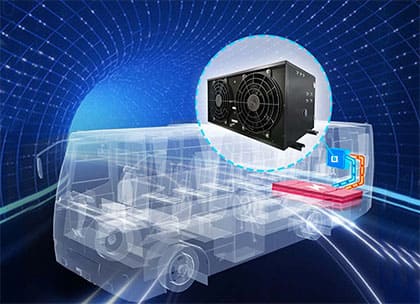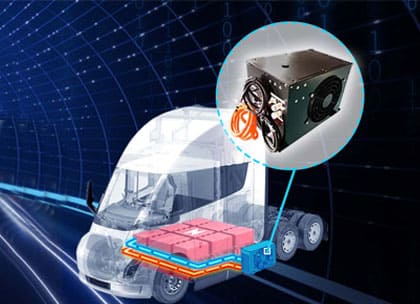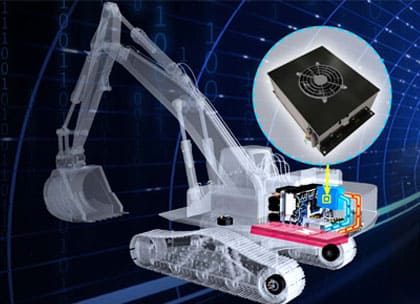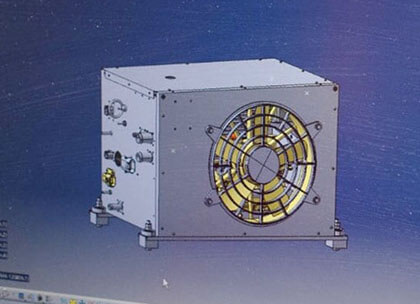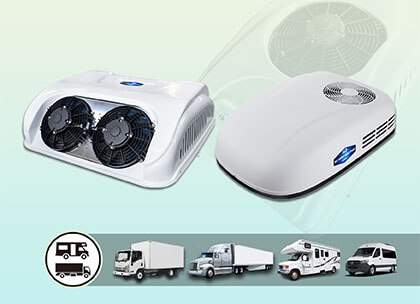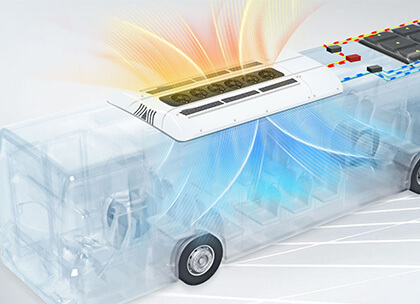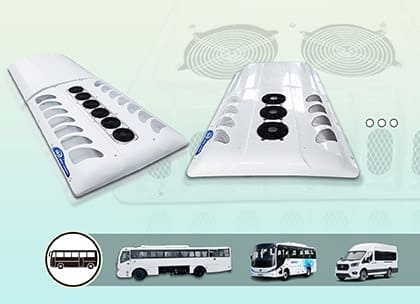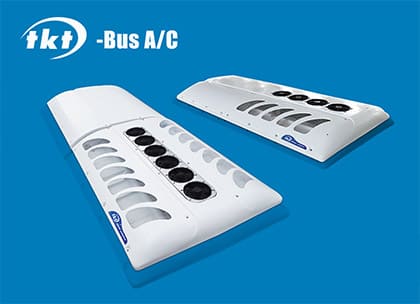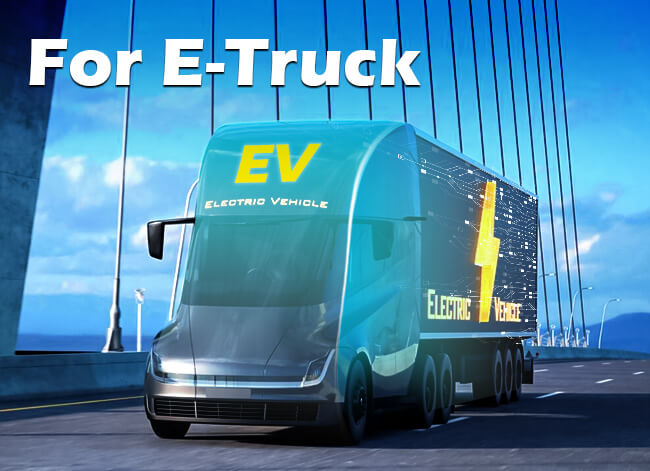
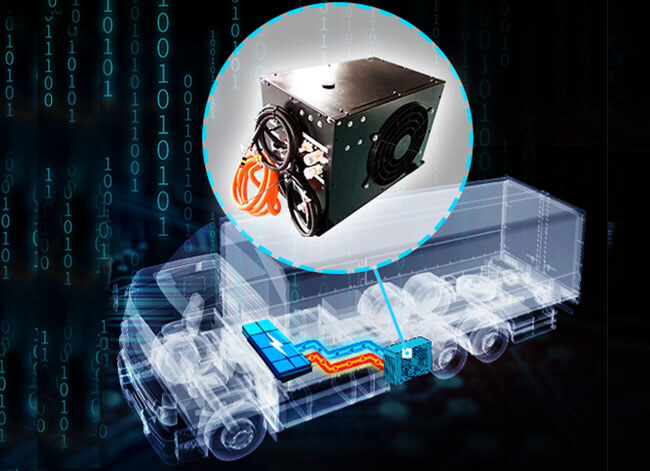
ออกแบบมาเป็นพิเศษสำหรับรถบรรทุกไฟฟ้า BTMS, การระบายความร้อนด้วยของเหลวของแบตเตอรี่.
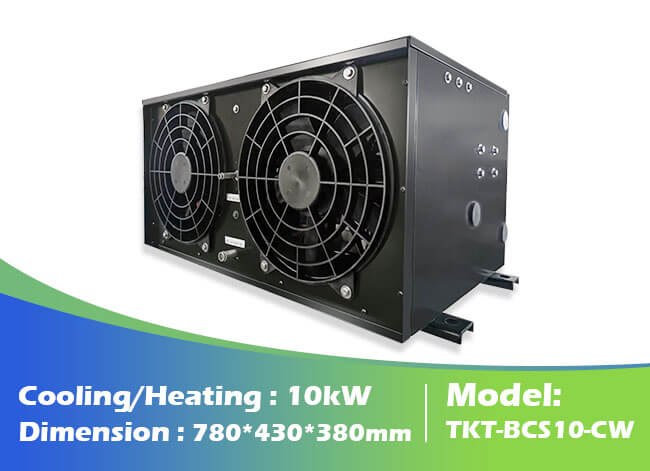
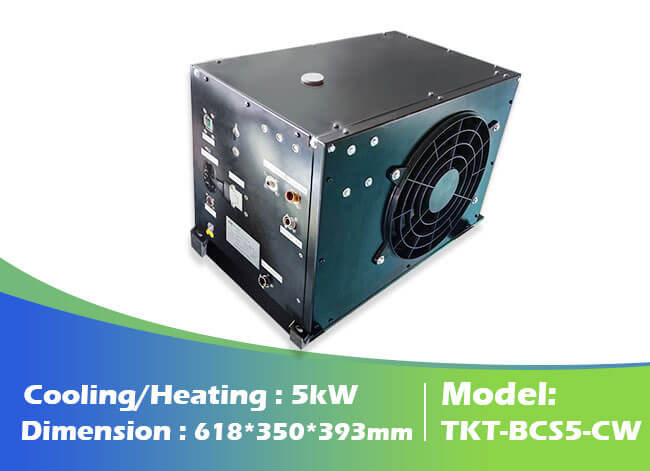
1. ความสามารถในการทำความเย็น: 10กิโลวัตต์ / 5กิโลวัตต์
2. ช่วงแรงดันไฟฟ้า: กระแสตรง 220V-750V
3. ปรับแต่ง: เครื่องทำความร้อน / OEM / มิติ
4. ข้อดี: 0.5 ℃ การควบคุมอุณหภูมิที่แม่นยำ. เสียบและเล่น. โชค 500 ผู้จัดหา.
รถบรรทุกไฟฟ้า BTMS ย่อมาจาก Battery Thermal Management System สำหรับรถบรรทุกไฟฟ้า. เป็นระบบควบคุมอุณหภูมิแบตเตอรี่ที่ออกแบบมาสำหรับรถบรรทุกไฟฟ้าโดยเฉพาะ. ระบบนี้จะระบายความร้อนหรือทำความร้อนชุดแบตเตอรี่เพื่อให้แน่ใจว่าแบตเตอรี่จะทำงานภายในช่วงอุณหภูมิที่เหมาะสมที่สุด, จึงช่วยปรับปรุงประสิทธิภาพ, ความปลอดภัย, และอายุการใช้งาน.
หลักการทำงานของวงจรการทำความเย็น: ปั๊มน้ำอิเล็กทรอนิกส์จะขับสารหล่อเย็นผ่านแผ่นทำความเย็นหรือท่อระบายความร้อนด้วยของเหลวภายในชุดแบตเตอรี่, ดูดซับความร้อนที่เกิดจากแบตเตอรี่. จากนั้นสารหล่อเย็นที่อุณหภูมิสูงจะถูกส่งไปยังเครื่องแลกเปลี่ยนความร้อนแบบแผ่น, โดยจะมีการแลกเปลี่ยนความร้อนกับสารทำความเย็น. จากนั้นน้ำหล่อเย็นที่ระบายความร้อนแล้วจะถูกหมุนเวียนกลับไปยังแบตเตอรี่.
วัตถุประสงค์ของวงจรการทำความเย็น: เพื่อระบายความร้อนแบตเตอรี่อย่างรวดเร็วระหว่างการชาร์จหรือการคายประจุพลังงานสูง, ป้องกันความร้อนสูงเกินไปและการระบายความร้อน.
หลักการไหลเวียนของโหมดทำความร้อน: วงจรทำความเย็นถูกปิด, และฮีตเตอร์ PTC ถูกเปิดใช้งานเพื่อให้ความร้อนแก่สารหล่อเย็นโดยตรง. สารหล่อเย็นอุณหภูมิสูงจะถ่ายเทความร้อนไปยังชุดแบตเตอรี่ผ่านท่อ, ช่วยให้มั่นใจได้ว่าแบตเตอรี่จะทำงานได้ตามปกติในสภาวะที่มีอุณหภูมิต่ำ.
วัตถุประสงค์ของวงจรโหมดการทำความร้อน: เพื่อเพิ่มกิจกรรมทางเคมีของแบตเตอรี่ในสภาพแวดล้อมที่มีอุณหภูมิต่ำโดยใช้ความร้อน PTC, ป้องกันการเสื่อมสลายของช่วง.
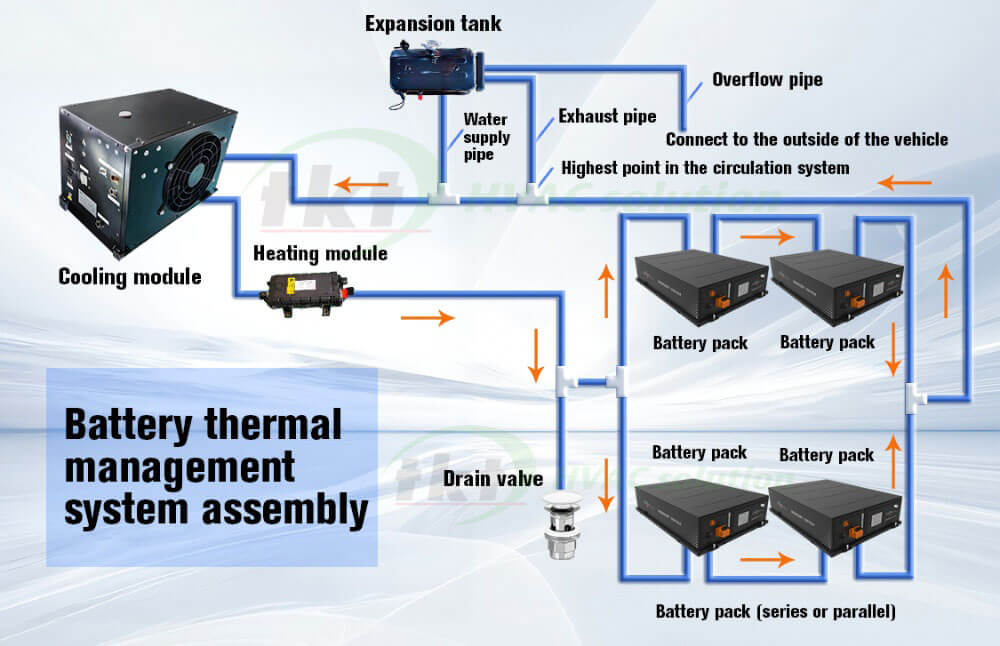
หลักการของโหมดการปรับสมดุลอุณหภูมิ: เซ็นเซอร์อุณหภูมิหลายตัวจะตรวจสอบอุณหภูมิของแต่ละเซลล์ภายในชุดแบตเตอรี่อย่างต่อเนื่อง. ระบบควบคุมจะปรับอัตราการไหลของน้ำหล่อเย็นและพลังงานความเย็น/ความร้อนแบบไดนามิก เพื่อลดความแตกต่างของอุณหภูมิระหว่างเซลล์.
วัตถุประสงค์ของโหมดการปรับสมดุลอุณหภูมิ: เพื่อลดความแตกต่างของอุณหภูมิระหว่างเซลล์แบตเตอรี่, ป้องกันความร้อนสูงเกินไปหรือความเย็นเกินไปในท้องถิ่น, และยืดอายุการใช้งานแบตเตอรี่.

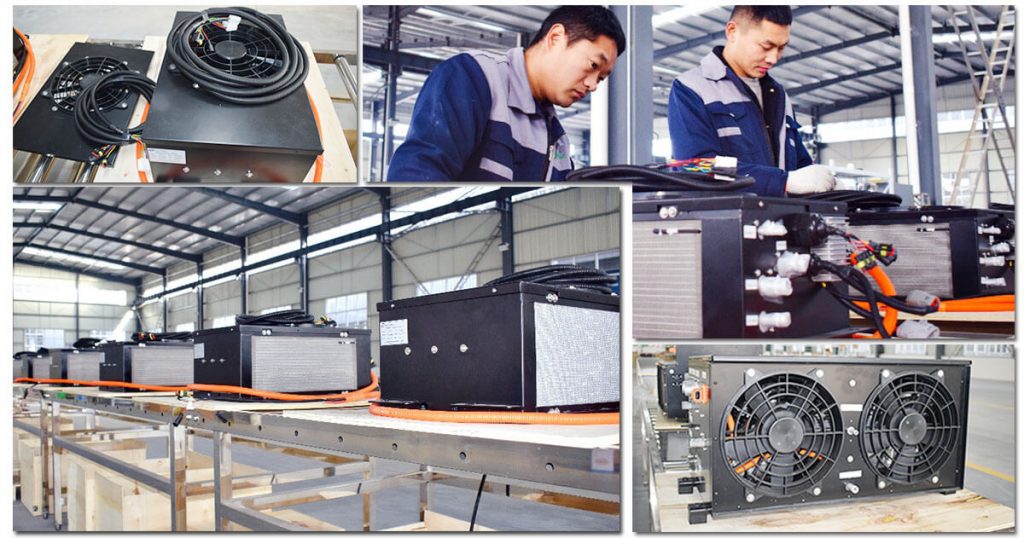
| แบบอย่าง | 10ซีดับบลิว | 5ซีดับบลิว |
| ความสามารถในการทำความเย็น | 10กิโลวัตต์ | 5กิโลวัตต์ |
| ขนาดมาตรฐาน | 780*430*380มม | 620*350*414.5มม |
| น้ำหนักมาตรฐาน | 40กิโลกรัม | 30กิโลกรัม |
| ทิศทางช่องระบายอากาศ | ด้านข้าง | ด้านข้าง |
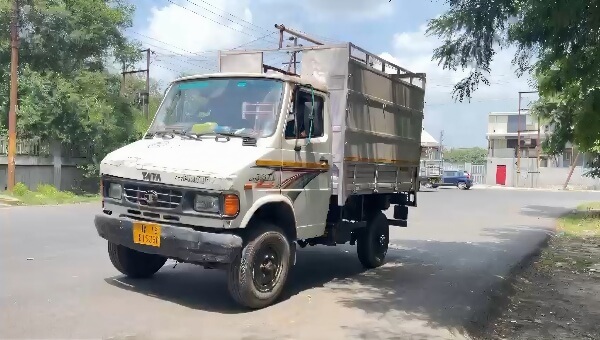
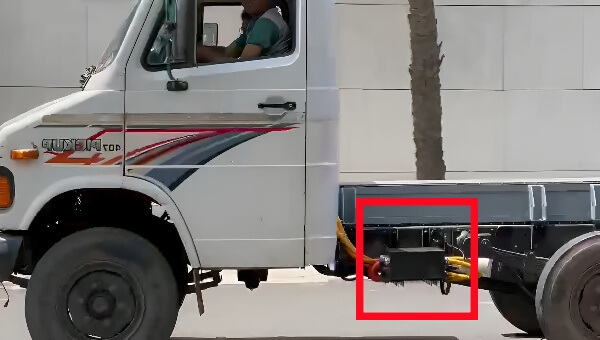
นี่เป็นความร่วมมือครั้งที่สองหลังจากความร่วมมือครั้งแรกของเราใน 2018 สำหรับ โครงการรถโดยสารไฟฟ้า BTMS. โครงการนี้มุ่งเน้นไปที่รถบรรทุกไฟฟ้าขนาดเล็ก BTMS. สะท้อนให้เห็นถึงความไว้วางใจที่ TATA Motors มอบให้แก่เรา, โชคลาภทั่วโลก 500 บริษัท, และทำหน้าที่รับรู้ถึงความสามารถในการออกแบบของเรา, คุณภาพของผลิตภัณฑ์, และการสนับสนุนหลังการขาย.
คลิกเพื่อดูภาพกรณีความร่วมมือเพิ่มเติม
ประการแรก, วัตถุประสงค์หลักของระบบ BTMS ทั้งสองนี้มีความสอดคล้องกัน. ทั้งสองมีเป้าหมายเพื่อให้แน่ใจว่าแบตเตอรี่ลิเธียมไอออนทำงานภายในช่วงอุณหภูมิที่เหมาะสมที่สุดเพื่อป้องกันไม่ให้ความร้อนหลุดลอย, เพิ่มประสิทธิภาพแบตเตอรี่ให้สูงสุด, ยืดอายุแบตเตอรี่, และรักษาระยะของรถ.
1. ความสามารถในการทำความเย็น
ชุดแบตเตอรี่รถบรรทุกไฟฟ้ามีขนาดใหญ่มาก, ด้วยความจุที่มากกว่ารถยนต์โดยสารทั่วไปห้าถึงสิบเท่า. ส่งผลให้เกิดการสร้างความร้อนรวมอย่างมีนัยสำคัญ. นอกจากนี้, รถบรรทุกหนักต้องใช้กำลังในทันทีที่สูงมาก, เช่น ระหว่างเร่งความเร็วหรือขึ้นเนิน. ดังนั้น, รถบรรทุกไฟฟ้า BTMS ต้องได้รับการออกแบบมาเป็นพิเศษเพื่อรองรับความร้อนจัดที่เกิดขึ้นระหว่างการบรรทุกหนัก, การขับขี่ด้วยความเร็วสูง, หรือการชาร์จอย่างรวดเร็ว. อัตราการไหลของระบบทำความเย็น, พื้นที่แลกเปลี่ยนความร้อน, และขนาดหม้อน้ำทั้งหมดจะต้องเพิ่มขึ้นอย่างมาก.
ในทางตรงกันข้าม, รถยนต์โดยสารไฟฟ้ามีชุดแบตเตอรี่ค่อนข้างเล็กและมีความต้องการพลังงานน้อยกว่า. โดยทั่วไป, วงจรทำความเย็นเดียวหรือระบบระบายความร้อนด้วยอากาศแบตเตอรี่ก็เพียงพอแล้ว.
2. ความซับซ้อนของระบบและต้นทุน
รถบรรทุกไฟฟ้า BTMS มีข้อกำหนดด้านความสามารถในการทำความเย็นที่เข้มงวด. การกระจายความร้อนจำนวนมากจำเป็นต้องมีปั๊มน้ำขนาดใหญ่ขึ้น, คอมเพรสเซอร์, เครื่องแลกเปลี่ยนความร้อน, สารหล่อเย็นมากขึ้น, และการวางท่อที่ซับซ้อนมากขึ้น. ความซับซ้อนในการออกแบบระบบสูงขึ้น, ส่งผลให้ต้นทุนสูงขึ้นอย่างมากเมื่อเทียบกับรถยนต์นั่งส่วนบุคคล.
ระบบรถยนต์ไฟฟ้าแบบธรรมดานั้นค่อนข้างง่าย, ส่งผลให้ต้นทุนลดลง.
สรุป, BTMS สำหรับรถบรรทุกไฟฟ้าเป็นโซลูชันพิเศษที่ออกแบบมาเพื่อรองรับภาระความร้อนที่รุนแรงพร้อมข้อกำหนดด้านประสิทธิภาพที่เข้มงวด. ในทางตรงกันข้าม, BTMS สำหรับรถยนต์นั่งส่วนบุคคลมุ่งเน้นไปที่การให้ประสิทธิภาพการจัดการระบายความร้อนที่ตอบสนองความต้องการรายวันภายในพื้นที่จำกัดและข้อจำกัดด้านต้นทุน.
1. “ระบบการจัดการความร้อนด้วยแบตเตอรี่สำหรับยานพาหนะไฟฟ้าและอายุการใช้งานแบตเตอรี่” คลิกที่นี่เพื่อดู
2. “การวิเคราะห์ระบบระบายความร้อนด้วยแบตเตอรี่สำหรับบัสไฟฟ้า, รถบรรทุก” คลิกที่นี่เพื่อดู
3. “ระบบทำความเย็นของเหลวแบตเตอรี่ - ทำงานอย่างไร?” คลิกที่นี่เพื่อดู
4. “โครงการบีวายดี เค 9: ระบบระบายความร้อนแบตเตอรี่ EV รวมกับระบบปรับอากาศแบบบัส” คลิกที่นี่เพื่อดู
5. “บีทีเอ็มเอส แบตเตอรี่: หลักการ, ออกแบบ, การติดตั้ง – ทีเคที HVAC” คลิกที่นี่เพื่อดู
6. “ระบบการจัดการความร้อนแบตเตอรี่สำหรับรถบรรทุก / รถบัส ฯลฯ. - จัดส่งไปด้านบน 500 ทาทา” คลิกที่นี่เพื่อดู
7. “ระบบการจัดการความร้อนของแบตเตอรี่สำหรับการเคลื่อนที่ของสวิตช์ – TKT” คลิกที่นี่เพื่อดู
8. “ระบบการจัดการความร้อนแบตเตอรี่แบบกำหนดเอง (บีทีเอ็มเอส) – ทีเคที เอชวีเอซี” คลิกที่นี่เพื่อดู
9. “วิธีการออกแบบตำแหน่งการติดตั้งบัส BTMS” คลิกที่นี่เพื่อดู
10. “การระบายความร้อนของแบตเตอรี่ | ระบบการจัดการความร้อนแบตเตอรี่ – TKT” คลิกที่นี่เพื่อดู
คลิกเพื่อเรียกดู โซลูชั่น BTMS สำหรับรถโดยสารไฟฟ้า
คลิกเพื่อเรียกดู โซลูชัน BTMS สำหรับรถบรรทุกไฟฟ้า
คลิกเพื่อเรียกดู โซลูชัน BTMS สำหรับอุปกรณ์ไฟฟ้าหนัก
คลิกเพื่อเรียกดู โซลูชัน BTMS สำหรับเรือเดินทะเลไฟฟ้า
คลิกเพื่อเรียกดู โซลูชัน BTMS แบบกำหนดเองของ OEM
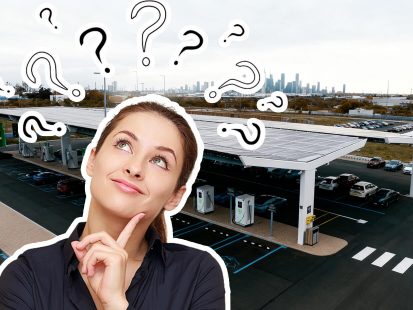
บทความนี้จะใช้กรณีที่ล้มเหลวบางกรณีเพื่อแสดงความเสี่ยงในการลงทุนสถานีชาร์จ EV. อย่าพลาดหากคุณสนใจ!
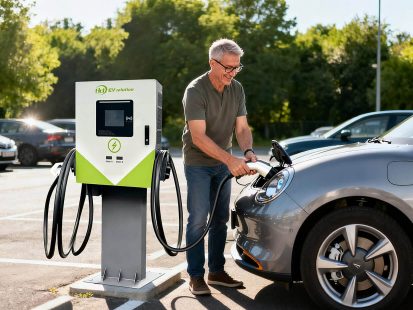
ทำความเข้าใจกับเครื่องชาร์จ EV ขนาด 60kW: ตัวเลือกที่คุณต้องการสำหรับโซลูชันการชาร์จ EV ที่รวดเร็วและมีประสิทธิภาพ. TKT เป็นผู้ผลิตมืออาชีพ.

รถลากสามล้อไฟฟ้ากลายเป็นตัวเลือกที่ดีที่สุดสำหรับการเดินทางระยะสั้นในเมืองและในชนบท.