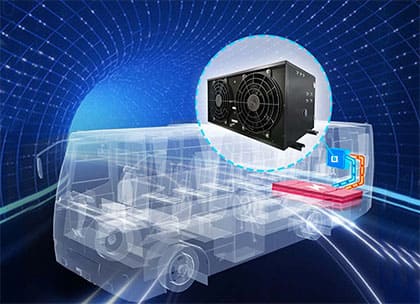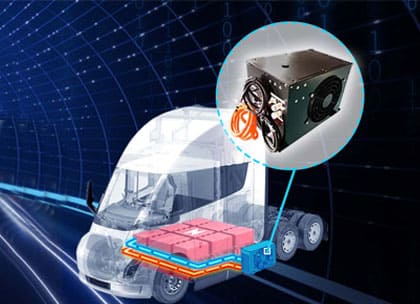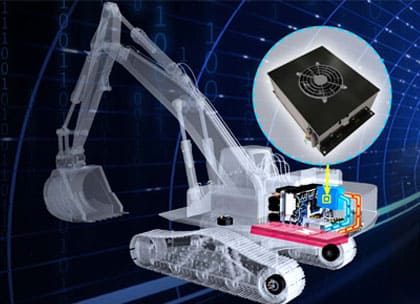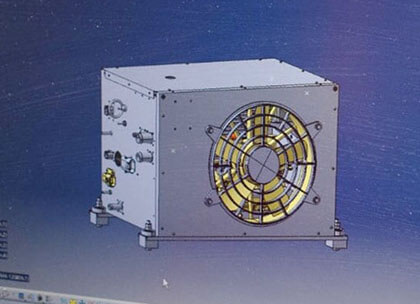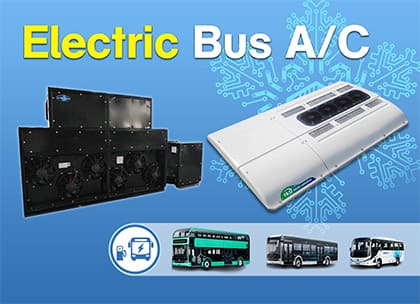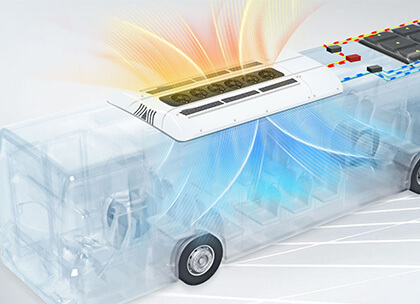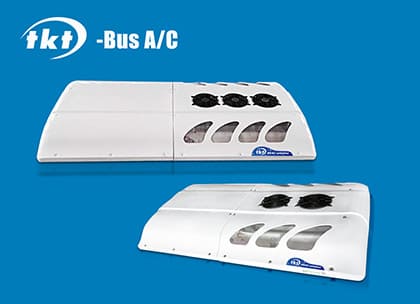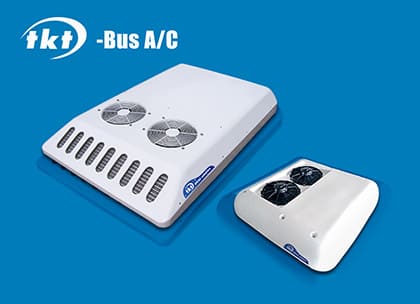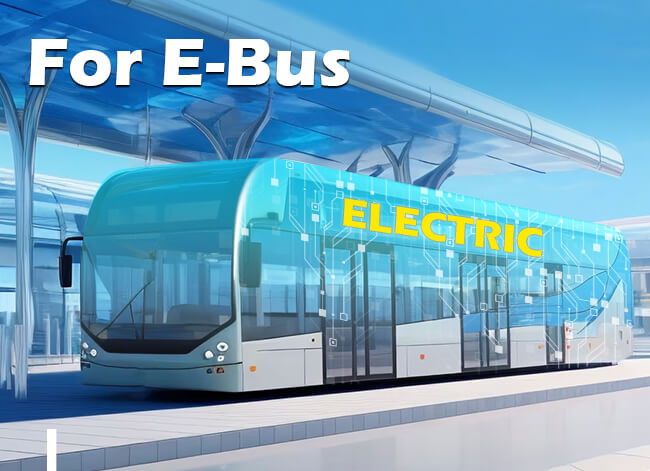
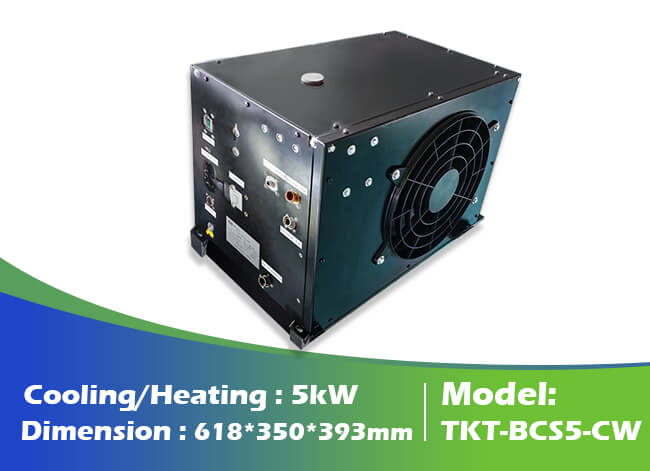
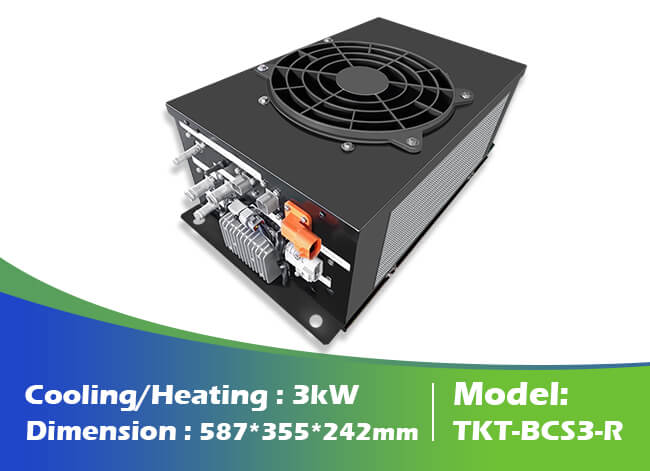
ออกแบบมาเป็นพิเศษสำหรับรถบัสไฟฟ้า BTMS, การระบายความร้อนด้วยของเหลวของแบตเตอรี่.
1. ความสามารถในการทำความเย็น: 10กิโลวัตต์ / 8กิโลวัตต์ / 5กิโลวัตต์ / 3กิโลวัตต์
2. ช่วงแรงดันไฟฟ้า: กระแสตรง 220V-750V
3. ปรับแต่ง: เครื่องทำความร้อน / OEM / มิติ
4. ข้อดี: 0.5 ℃ การควบคุมอุณหภูมิที่แม่นยำ. เสียบและเล่น. โชค 500 ผู้จัดหา.
BTMS stands for Battery Thermal Management System. The electric bus BTMS is a core system specifically designed to regulate the temperature of the electric bus’s power battery. It ensures the battery operates within a safe and efficient temperature range to improve performance, extend lifespan, and avoid thermal runaway. Electric bus BTMS utilizes large-capacity power batteries, generating significant heat. ดังนั้น, liquid battery cooling systems are currently used.
TKT’s electric bus BTMS is fully automated. It communicates with the vehicle controller and battery management system via the CAN bus, synchronizing battery temperature data in real time and adjusting operating frequency.
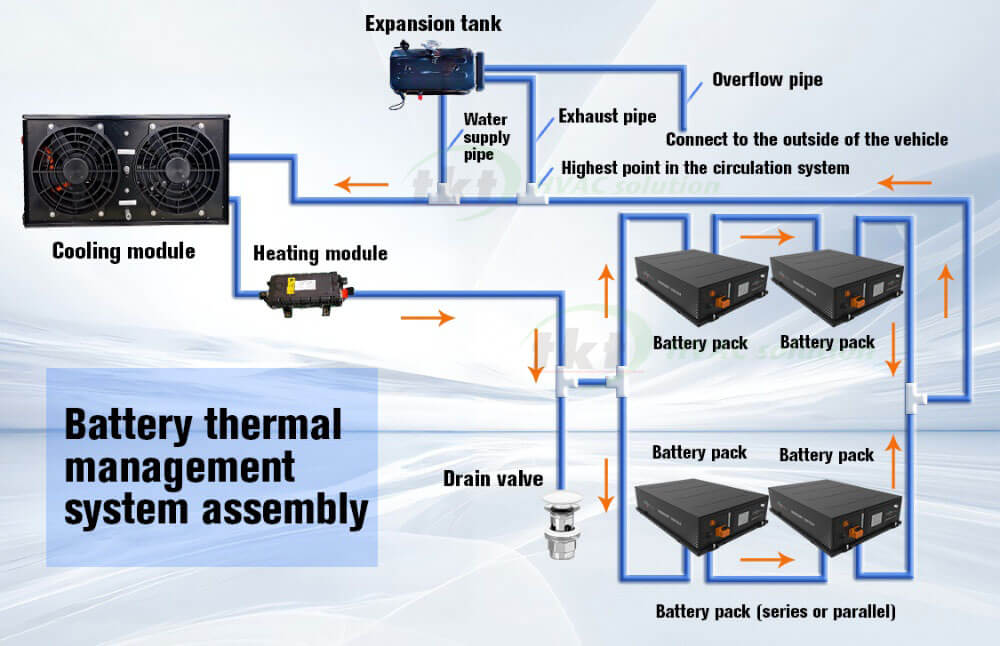
The BTMS system for electric buses typically includes cooling, เครื่องทำความร้อน, ระบายความร้อน, and electrical systems.
1. The cooling system consists of a compressor, คอนเดนเซอร์, แผ่นแลกเปลี่ยนความร้อน, and water pump. It circulates the coolant to cool the battery.
2. The heating system uses a PTC water heater to heat the circulating fluid and warm the battery.
3. The cooling system includes an air-cooled radiator tank.
4. The electrical system includes the controller and wiring harness.

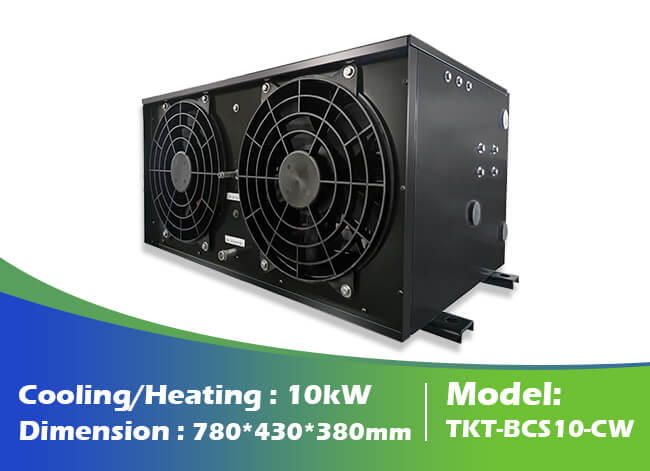
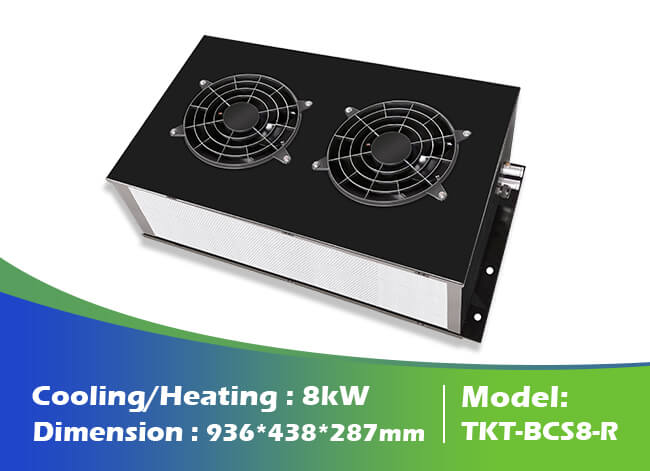
| แบบอย่าง | 10ซีดับบลิว | 8ร | 5ซีดับบลิว | 3ร |
| ความสามารถในการทำความเย็น | 10กิโลวัตต์ | 8กิโลวัตต์ | 5กิโลวัตต์ | 3กิโลวัตต์ |
| ขนาดมาตรฐาน | 780*430*380มม | 936*438*287มม | 620*350*414.5มม | 587*355*242มม |
| น้ำหนักมาตรฐาน | 40กิโลกรัม | 40กิโลกรัม | 30กิโลกรัม | 25กิโลกรัม |
| ทิศทางช่องระบายอากาศ | ด้านข้าง | สูงสุด | ด้านข้าง | สูงสุด |
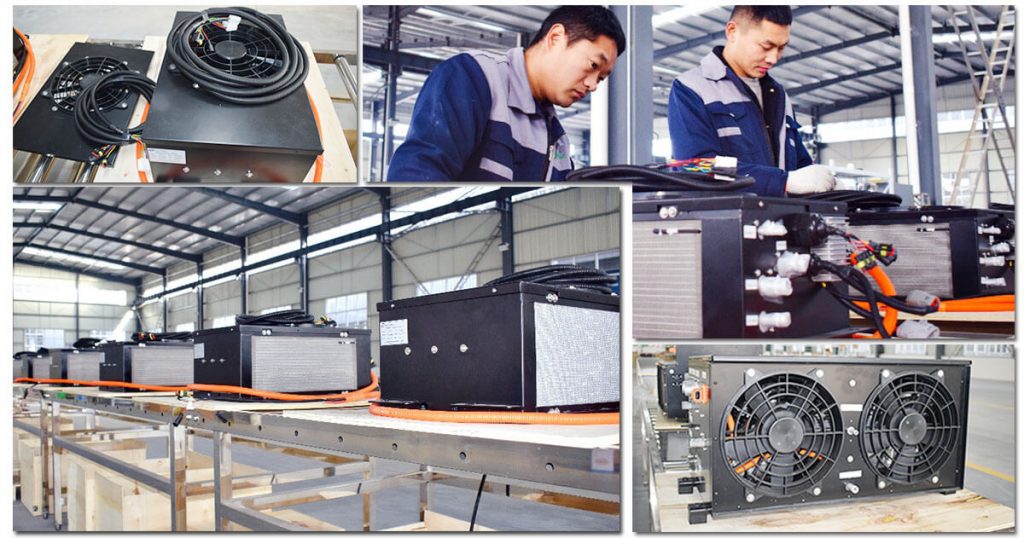
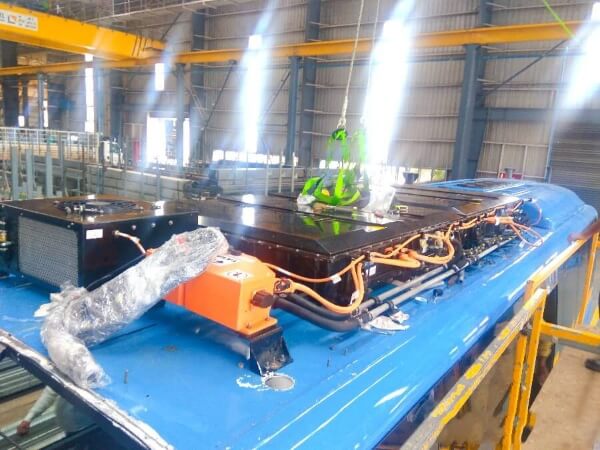
As early as 2018, we established a deep partnership with TATA Motors, ฟอร์จูน 500 บริษัท. We custom-developed a 9m electric bus air conditioner and electric bus BTMS. หลังจากผ่านการทดสอบอันเข้มงวดหลายรอบ, we became their designated supplier of electric bus air conditioners and BTMS.
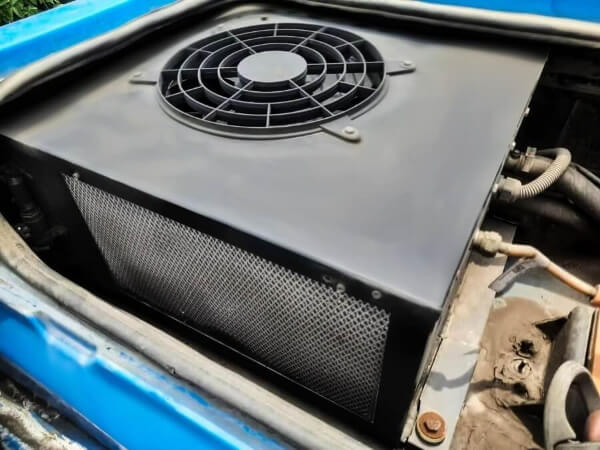
ต่อมา, TATA Motors initiated another collaboration project with us for the BTMS system of electric trucks. These collaborations serve as a testament to our design capabilities, คุณภาพของผลิตภัณฑ์, และการสนับสนุนหลังการขาย.
คลิกเพื่อดูภาพกรณีความร่วมมือเพิ่มเติม
ข้อดี
1. การกระจายความร้อนอย่างมีประสิทธิภาพ
The liquid has high thermal conductivity, quickly dissipating the large amounts of heat generated during charging and discharging. It is particularly suitable for high-temperature environments and large-capacity power batteries.
2. ความสม่ำเสมอของอุณหภูมิที่ดีเยี่ยม
The battery cooling plate design provides a large contact area between the liquid and the battery, reducing local hot spots. This allows for precise control of inter-battery temperature differences and minimizes temperature differences.
ข้อเสีย
1. High System Complexity
Requires integration of components such as water pumps, ท่อ, and seals, increasing weight.
2. High Cost
Requires more components, a more sophisticated design, and more complex assembly than air cooling.
ข้อดี:
1. Simple and Reliable Structure
No liquid circulation system is required; air flow is driven solely by a fan. Suitable for small battery packs or auxiliary cooling scenarios.
2. Low Cost
Lower production costs and no liquid replacement costs.
ข้อเสีย:
1. Low heat dissipation efficiency.
Poor air thermal conductivity makes it difficult to control battery temperature in high-temperature environments (เช่น, above 45°C), which can easily lead to thermal runaway.
2. Poor temperature consistency.
Improper air duct design can result in temperature differences of more than 10°C between battery modules, affecting battery life and safety.
สรุป, the high-voltage power batteries in electric buses generate significant energy and heat, necessitating a liquid battery cooling system. Air cooling systems cannot meet these cooling requirements.
1. “ระบบการจัดการความร้อนด้วยแบตเตอรี่สำหรับยานพาหนะไฟฟ้าและอายุการใช้งานแบตเตอรี่” คลิกที่นี่เพื่อดู
2. “การวิเคราะห์ระบบระบายความร้อนด้วยแบตเตอรี่สำหรับบัสไฟฟ้า, รถบรรทุก” คลิกที่นี่เพื่อดู
3. “ระบบทำความเย็นของเหลวแบตเตอรี่ - ทำงานอย่างไร?” คลิกที่นี่เพื่อดู
4. “โครงการบีวายดี เค 9: ระบบระบายความร้อนแบตเตอรี่ EV รวมกับระบบปรับอากาศแบบบัส” คลิกที่นี่เพื่อดู
5. “บีทีเอ็มเอส แบตเตอรี่: หลักการ, ออกแบบ, การติดตั้ง – ทีเคที HVAC” คลิกที่นี่เพื่อดู
6. “ระบบการจัดการความร้อนแบตเตอรี่สำหรับรถบรรทุก / รถบัส ฯลฯ. - จัดส่งไปด้านบน 500 ทาทา” คลิกที่นี่เพื่อดู
7. “ระบบการจัดการความร้อนของแบตเตอรี่สำหรับการเคลื่อนที่ของสวิตช์ – TKT” คลิกที่นี่เพื่อดู
8. “ระบบการจัดการความร้อนแบตเตอรี่แบบกำหนดเอง (บีทีเอ็มเอส) – ทีเคที เอชวีเอซี” คลิกที่นี่เพื่อดู
9. “วิธีการออกแบบตำแหน่งการติดตั้งบัส BTMS” คลิกที่นี่เพื่อดู
10. “การระบายความร้อนของแบตเตอรี่ | ระบบการจัดการความร้อนแบตเตอรี่ – TKT” คลิกที่นี่เพื่อดู
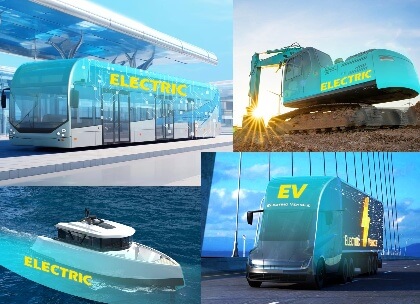
คลิกเพื่อเรียกดู โซลูชั่น BTMS สำหรับรถโดยสารไฟฟ้า
คลิกเพื่อเรียกดู โซลูชัน BTMS สำหรับรถบรรทุกไฟฟ้า
คลิกเพื่อเรียกดู โซลูชัน BTMS สำหรับอุปกรณ์ไฟฟ้าหนัก
คลิกเพื่อเรียกดู โซลูชัน BTMS สำหรับเรือเดินทะเลไฟฟ้า
คลิกเพื่อเรียกดู โซลูชัน BTMS แบบกำหนดเองของ OEM
บทความนี้จะใช้กรณีที่ล้มเหลวบางกรณีเพื่อแสดงความเสี่ยงในการลงทุนสถานีชาร์จ EV. อย่าพลาดหากคุณสนใจ!
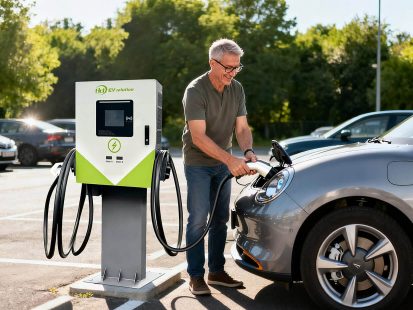
ทำความเข้าใจกับเครื่องชาร์จ EV ขนาด 60kW: ตัวเลือกที่คุณต้องการสำหรับโซลูชันการชาร์จ EV ที่รวดเร็วและมีประสิทธิภาพ. TKT เป็นผู้ผลิตมืออาชีพ.

รถลากสามล้อไฟฟ้ากลายเป็นตัวเลือกที่ดีที่สุดสำหรับการเดินทางระยะสั้นในเมืองและในชนบท.