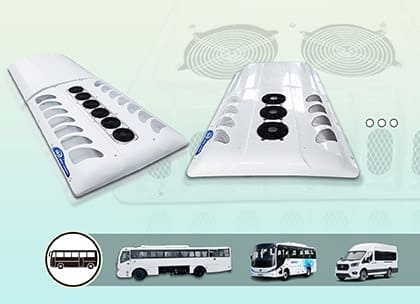
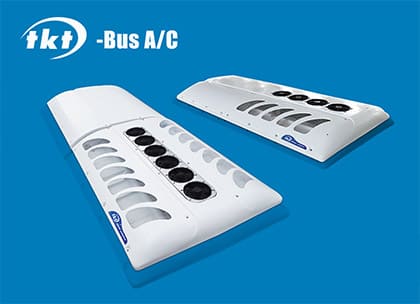
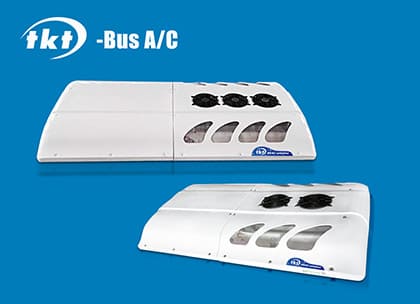
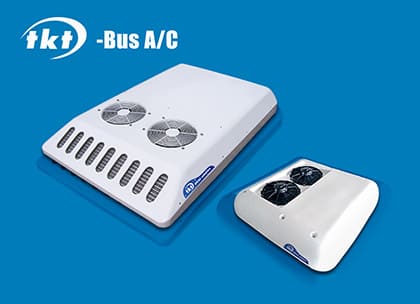
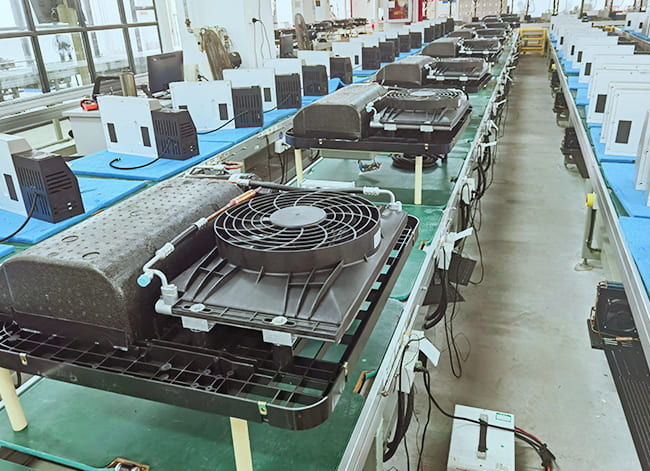
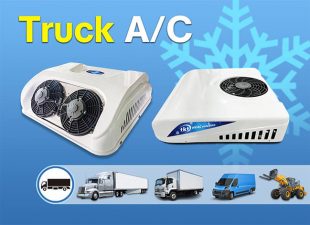
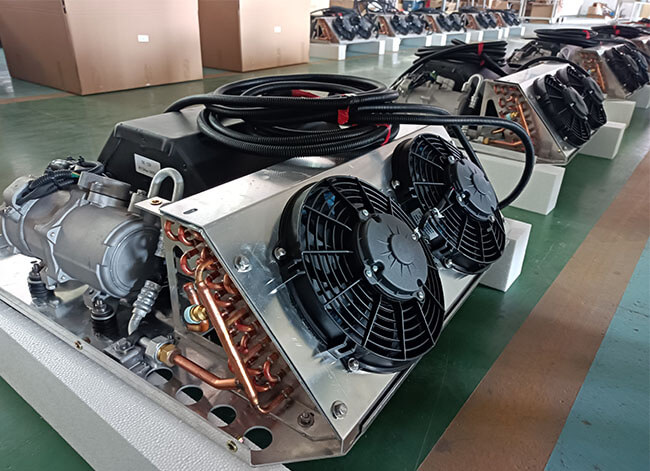
This document outlines the contents of the bus air conditioning maintenance manual. We encourage customers to perform routine and periodic inspections to extend the service life of the bus air conditioning system.
這 客車空調機組 被視為消耗品. 及早發現問題可以及時解決, 從而防止更嚴重的問題. 另外, 我們提供保固服務, 保持較低的維修成本. 所以, 定期檢查和維護至關重要. This ensures a longer lifespan and greater stability for the air conditioning system.
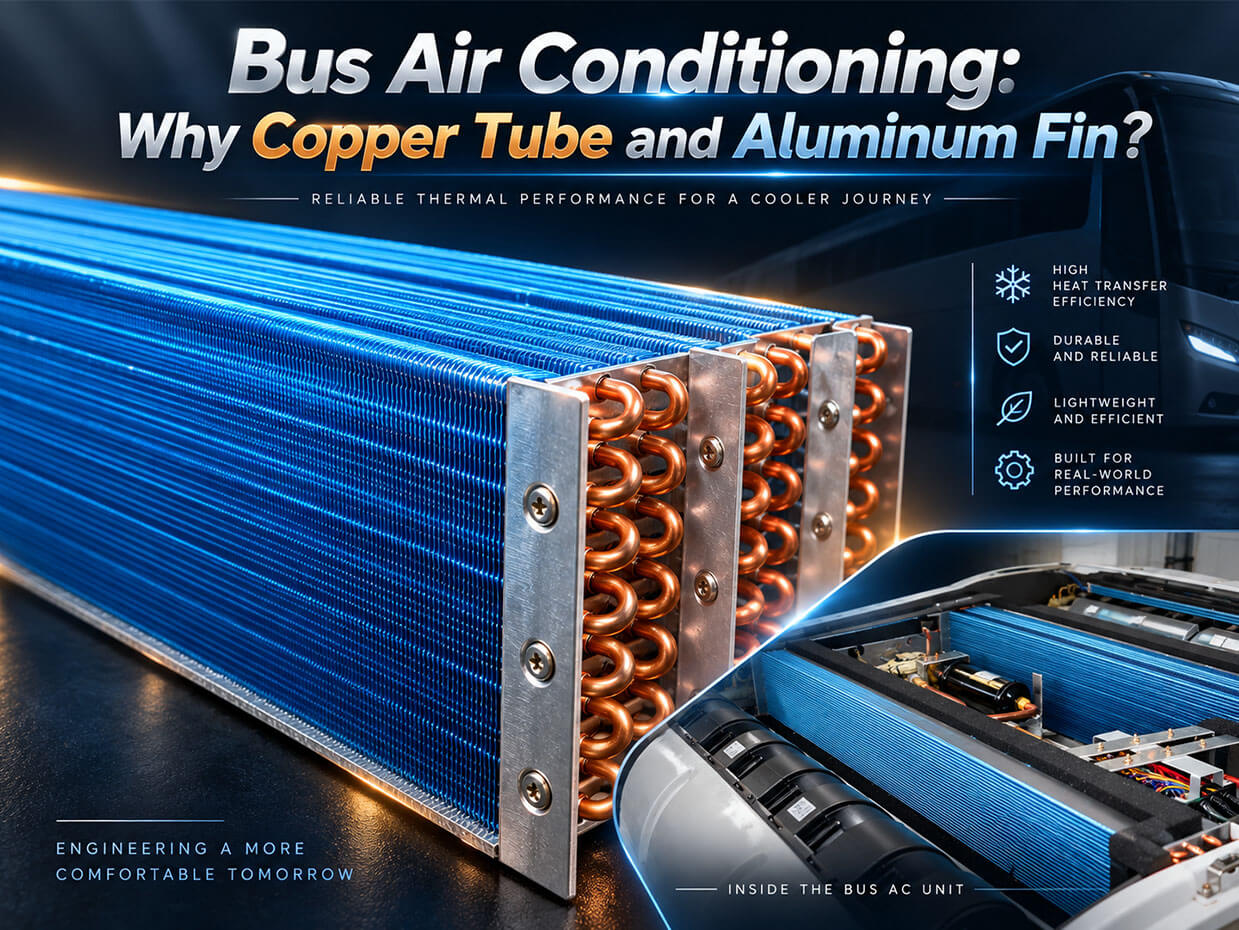
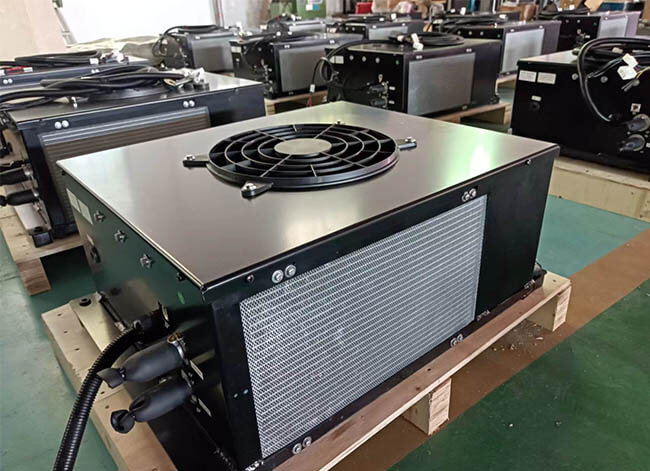
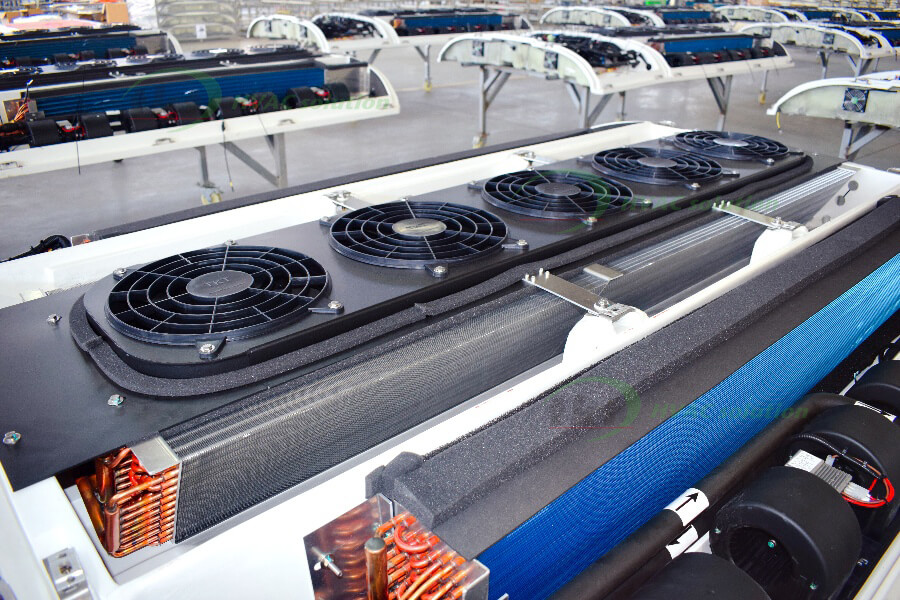
1. Clean the evaporator and return air filter: Regularly clean the evaporator and return air filter to prevent dust and dirt buildup that may clog the system, affecting cooling performance and air quality.
2. Inspect the condenser and compressor: Remove dust from the condenser and compressor to ensure proper heat dissipation. 同時地, check for condenser blockages and clean as needed.
3. 檢查客車空調壓縮機皮帶: Check compressor belt tension for proper tightness to prevent slippage or detachment.
4. 檢查電氣系統: 驗證所有電氣連接是否牢固, 無鬆動或損壞. 同時地, test electrical components such as relays and sensors for normal performance.
5. 檢查冷媒: Regularly inspect refrigerant levels to ensure sufficiency. 發現洩漏及時補充. 注意冷媒類型和純度, avoiding mixing different types of refrigerants.

Experienced bus air conditioning specialists typically conduct routine inspections using four methods: 傾聽, 觀察, 接觸, 和測量.
This includes monitoring the engine, 壓縮機, 蒸發器風扇, 冷凝器風扇, 繼電器, 和其他組件. When the air conditioning system starts and the compressor begins operation, a slight increase in engine noise is considered normal. If any component produces significantly louder or unusual sounds, shut down the system immediately to prevent further damage.
1. 壓力, 冷卻液溫度, 油壓, and various performance indicator lights on the bus dashboard.
2. Signal indicator lights or warning codes on the bus air conditioning system control panel.
3. Inspect the piping system, checking each joint for signs of leakage and oil contamination.
4. 透過視液鏡觀察冷媒流量.
5. 檢查所有冷凍部件是否有冷凝, 霜, 或結冰.
6. Inspect all electrical system connections for burn marks.
1. 感受客車車廂通風口的溫度與氣流.
2. 交替觸摸壓縮機的排氣管和吸氣管. 明顯的溫差表示運作正常.
3. 交替觸摸冷凝器的排出管和吸入管. 排出管應比吸入管冷.
4. Alternately touch both ends of the dryer. If the front end feels hot and the rear end cold, 立即停止.
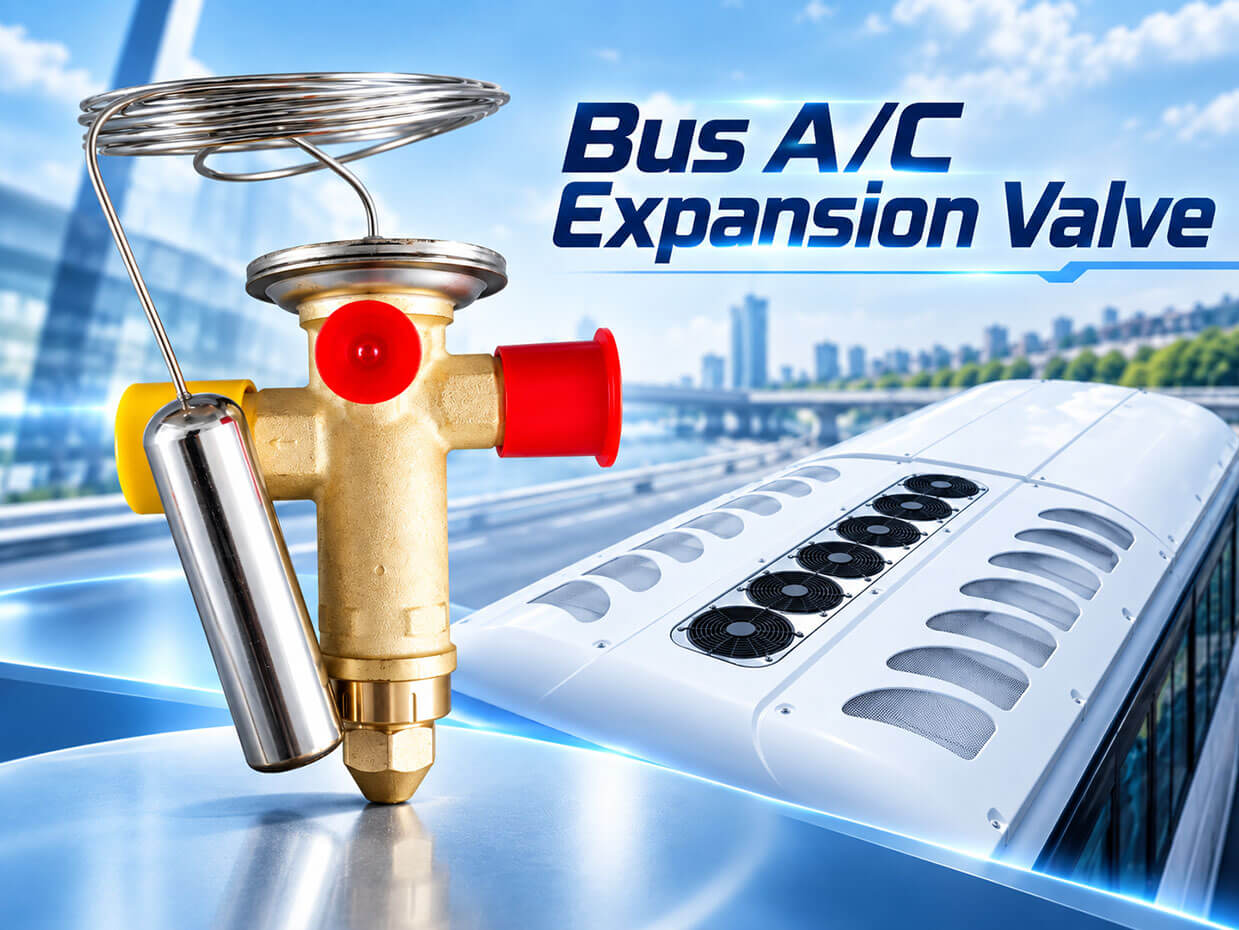
5. 交替觸摸膨脹閥兩端. The inlet should feel hot, while the outlet should feel cold.
警告: 觸控空調系統時, 極為謹慎. Avoid injury from high-speed rotating components and prevent burns from the engine's heat!
To draw accurate conclusions, it is necessary to test the bus air conditioning system using instruments such as pressure gauges, 檢漏儀, 萬用電表, 風速計, 和轉速表. Only by systematically analyzing the test results alongside the fault symptoms can the true cause of the malfunction be identified. TKT 隨時準備提供協助,協助解決問題.
1. 管線或冷媒洩漏: 立即擰緊管路並充注冷媒.
2. Clogged filter or radiator fins: 用肥皂水徹底清潔.
3. 風扇轉速不夠: 檢查接線是否鬆脫或斷開, 然後安全.
4. 壓縮機皮帶鬆動: 擰緊或更換. 使用張力計獲得更準確的結果.
5. 系統中有水分或空氣: 更換乾燥過濾器或排空冷媒. 重新加壓, 撤離, 並為系統充電. 使用電子秤精確充注冷媒.
6. 添加了錯誤的冷媒類型: 立即撤離並 聯絡我們 緊急進行救援嘗試.
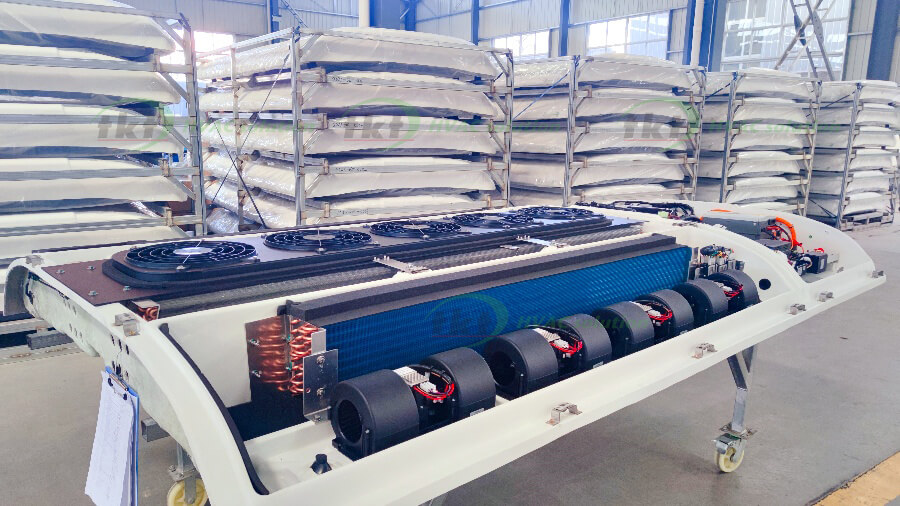
After several years of operation, 空調通常感覺不如以前那麼有效, 且清潔回風口過濾器沒有幫助. The most common reason is likely a dirty evaporator fan impeller. 在這種情況下, 你可以拆掉風扇, soak it in warm water first, then rinse it with a degreaser. 當然, 馬達老化和碳刷磨損也會導致此問題.
TKT EV solutions are sold in 85 countries and are trusted by Fortune 500 companies such as BYD and TATA. 成立於 1998 在河南, 中國, TKT is a trusted partner to global automakers including BYD, 塔塔汽車公司, 馬可波羅, 大宇, 五十鈴, Yutong, 開關移動性, 尼奧普蘭, 和CAT. TKT provides OEM services, 客製化解決方案, and exceptional after-sales support.

進一步閱讀: 印度客車空調系統市場分析, 客車空調配件有哪些? Olectra 客車 HVAC 項目, 巴士製造商
Facebook: https://www.facebook.com/TKTHVAC/
領英: https://www.linkedin.com/company/tkt-hvac
Youtube: https://www.youtube.com/@TKTHVAC