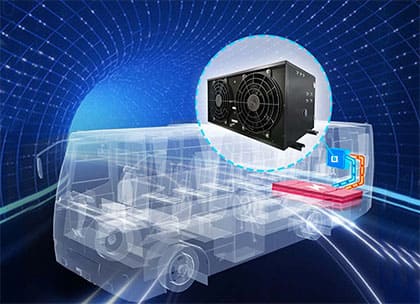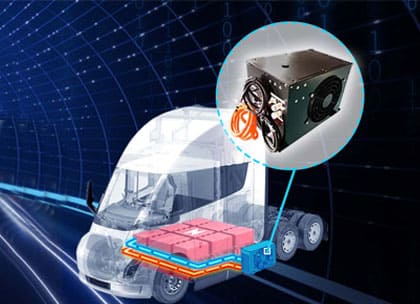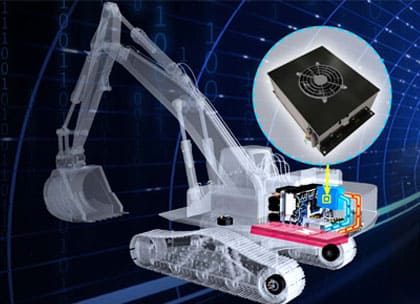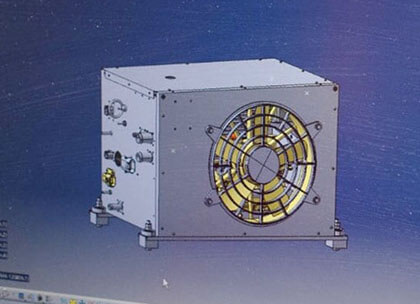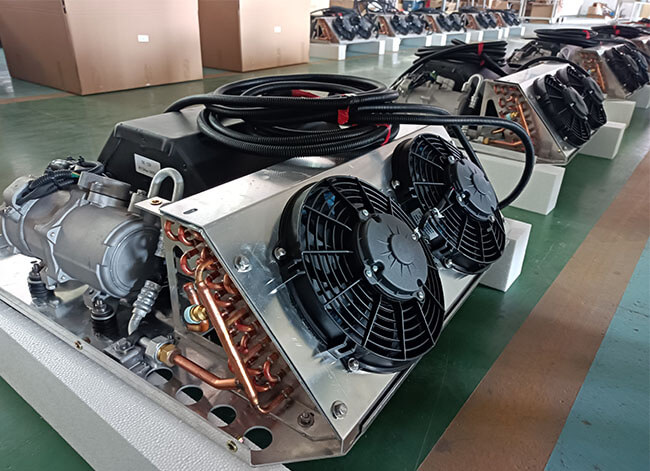
ระบบการจัดการความร้อนของแบตเตอรี่
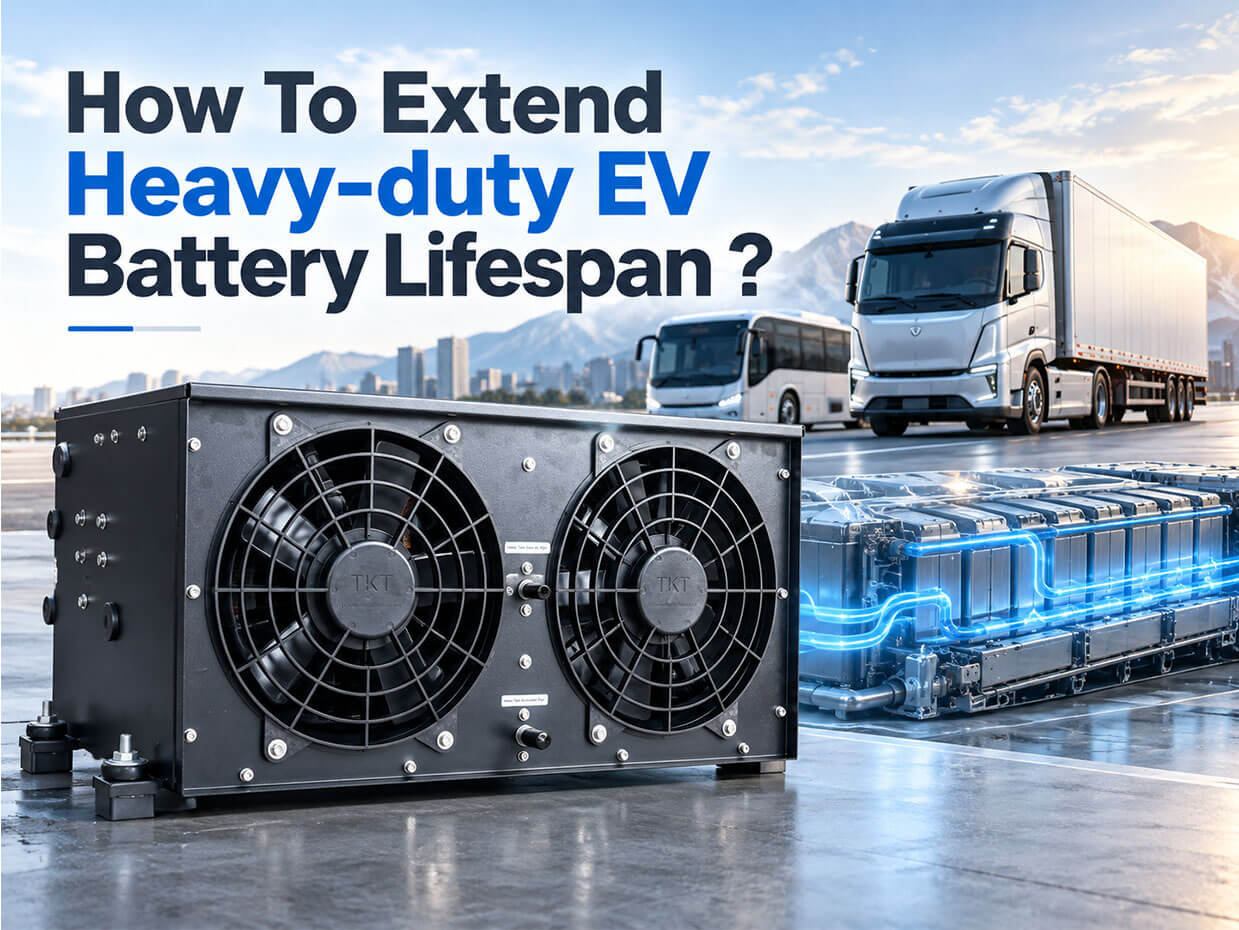
เครื่องปรับอากาศขับเคลื่อนด้วยไฟฟ้า
เครื่องยนต์ขับเคลื่อน A/C
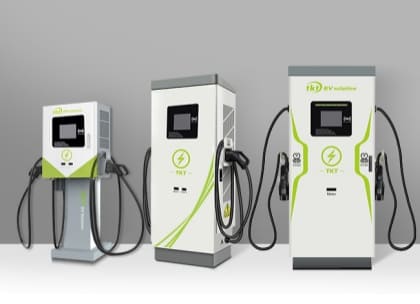
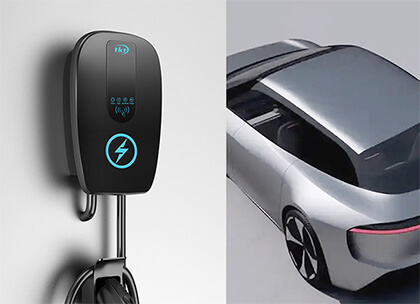
ที่ชาร์จ EV
สำหรับผู้ประกอบการรถโดยสารและผู้ผลิต, การปรับอากาศบนรถบัสไม่เพียงแต่กำหนดประสบการณ์การเดินทางของผู้โดยสารเท่านั้น แต่ยังส่งผลกระทบโดยตรงต่อประสิทธิภาพการทำงานของยานพาหนะและต้นทุนตลอดอายุการใช้งานอีกด้วย. การปิดเครื่องที่อุณหภูมิสูง, การร้องเรียนของผู้โดยสาร, เวลารอการบำรุงรักษา, และความผันผวนของระยะการเดินรถของรถโดยสารไฟฟ้าล้วนส่งผลต่อต้นทุนการดำเนินงานอย่างมีนัยสำคัญ. แกนคอนเดนเซอร์และคอยล์เย็นเป็นส่วนประกอบแลกเปลี่ยนความร้อนหลักของระบบปรับอากาศแบบบัส. พวกเขากำหนดประสิทธิภาพโดยรวมโดยตรง, ความน่าเชื่อถือ, และค่าบำรุงรักษาหลังการขาย.
ตอนนี้, การออกแบบเครื่องแลกเปลี่ยนความร้อนทั่วไปสำหรับระบบปรับอากาศแบบบัสประกอบด้วยประเภทท่อทองแดงและครีบอลูมิเนียม และประเภทการไหลแบบขนาน. แบบแรกเน้นความเป็นผู้ใหญ่, ความยืดหยุ่น, และการบำรุงรักษา, ในขณะที่รุ่นหลังมีขนาดกะทัดรัด, น้ำหนักเบา, และมีขนาดเล็ก. การเปรียบเทียบอย่างมืออาชีพอย่างแท้จริงไม่ใช่แค่เพียงว่าวัสดุชนิดใดดีกว่าเท่านั้น, แต่เลือกว่าแกนไหนจะเหมาะสมกับยานพาหนะเฉพาะมากกว่า, สภาพแวดล้อมการทำงาน, และระบบบำรุงรักษา.
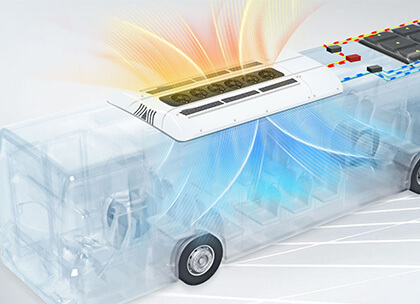
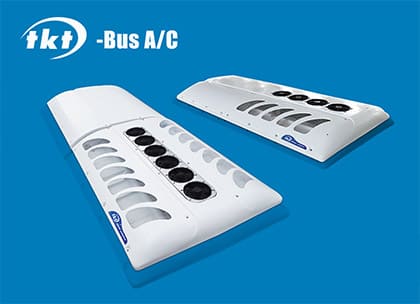
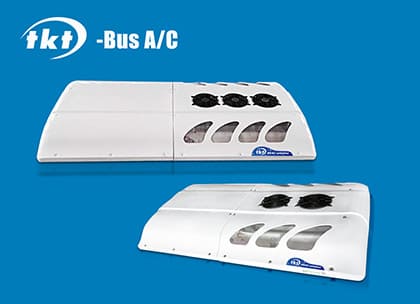
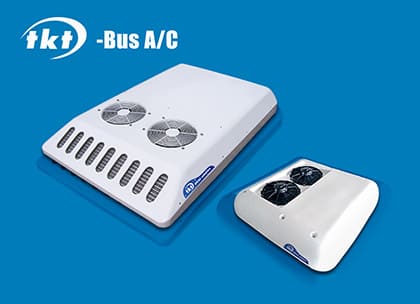
ระบบปรับอากาศรถบัสเป็นระบบควบคุมอุณหภูมิที่ออกแบบมาเฉพาะสำหรับรถโดยสารขนาดกลางและขนาดใหญ่. มันมีหลายฟังก์ชั่น, รวมถึงความเย็น, เครื่องทำความร้อน, ลดความชื้น, และการระบายอากาศ. รถโดยสารที่ขับเคลื่อนด้วยเชื้อเพลิงแบบดั้งเดิมมักใช้คอมเพรสเซอร์ที่ขับเคลื่อนด้วยเครื่องยนต์; รถโดยสารไฟฟ้าบริสุทธิ์ใช้คอมเพรสเซอร์ไฟฟ้าแรงสูงที่ใช้พลังงานจากแบตเตอรี่.
วงจรการทำความเย็นโดยทั่วไปรวมถึงคอมเพรสเซอร์ด้วย, คอนเดนเซอร์, วาล์วขยายตัว, เครื่องระเหย, เช่นเดียวกับแฟน, ท่ออากาศ, ท่อ, เซ็นเซอร์อุณหภูมิ, และแผงควบคุมอุณหภูมิ.
1. คอมเพรสเซอร์เครื่องปรับอากาศรถบัส: ที่ "หัวใจ" ของระบบปรับอากาศ. มีหน้าที่อัดสารทำความเย็นและกระจายไปทั่วระบบ.
2. คอนเดนเซอร์เครื่องปรับอากาศรถบัส: มักจะติดตั้งที่ด้านนอกของหลังคา, มีหน้าที่ในการทำความเย็นที่อุณหภูมิสูง, ก๊าซทำความเย็นแรงดันสูง, ทำให้เป็นของเหลวให้เป็นของเหลว.
3. เครื่องระเหยเครื่องปรับอากาศรถบัส: ติดตั้งภายในห้องโดยสารหรือในท่อหลังคา, ทำหน้าที่ดูดซับความร้อนจากห้องโดยสารเพื่อให้เกิดความเย็น.
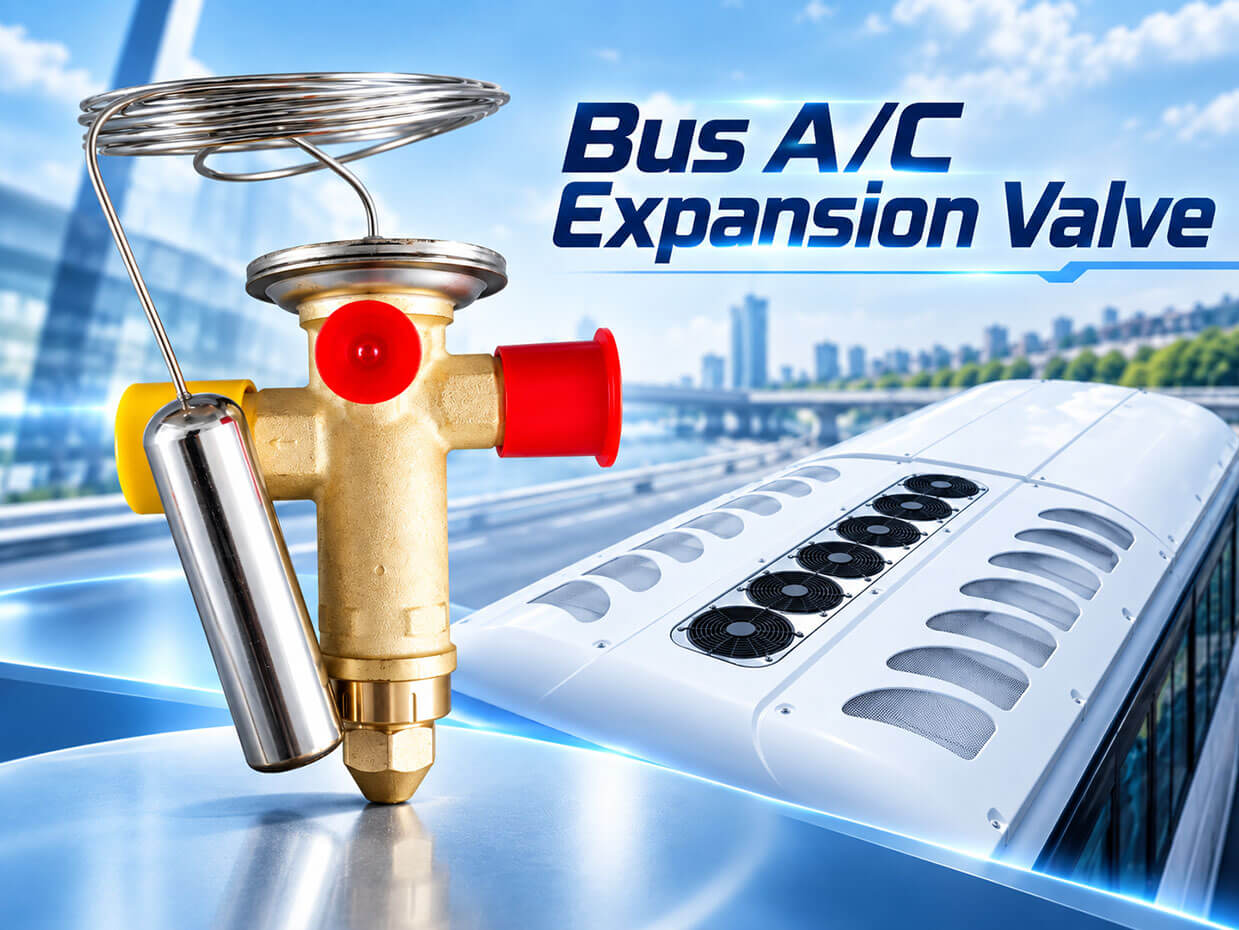
4. วาล์วขยาย: ควบคุมการไหลของสารทำความเย็นและควบคุมความดันของระบบ;
5. พัดลมและท่ออากาศ: ทำหน้าที่กระจายลมเย็น/ร้อนไปทั่วห้องโดยสาร;
6. ระบบควบคุม: รวมถึงแผงควบคุมอุณหภูมิ, เซ็นเซอร์, และชุดควบคุมอิเล็กทรอนิกส์.
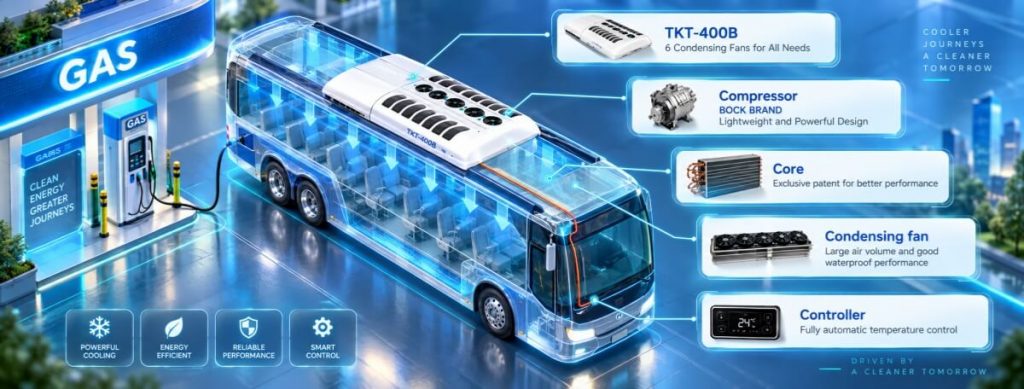
สารทำความเย็นจะปล่อยความร้อนออกสู่ภายนอกตัวรถในคอนเดนเซอร์และดูดซับความร้อนจากห้องโดยสารในคอยล์เย็น. ส่วนของคอนเดนเซอร์และเครื่องระเหยที่แลกเปลี่ยนความร้อนกับอากาศผ่านพื้นที่ขนาดใหญ่จริงๆ คือสิ่งที่เรียกกันทั่วไปว่าแกนแลกเปลี่ยนความร้อน.
เครื่องปรับอากาศรถบัสทำงานภายใต้สภาวะที่ซับซ้อนมากกว่าเครื่องปรับอากาศในครัวเรือน: การสัมผัสกับแสงแดดและฝนกลางแจ้งเป็นเวลานาน, การสั่นสะเทือนและการกระแทกอย่างต่อเนื่อง, การกัดกร่อนของสเปรย์ฝุ่นและเกลือ, รอบการสตาร์ท-หยุดบ่อยครั้ง, และโหลดการเปลี่ยนแปลง. เงื่อนไขเหล่านี้ทำให้มีความต้องการความแข็งแกร่งของโครงสร้างสูงมาก, การปรับตัวด้านสิ่งแวดล้อม, และความทนทานของแกนแลกเปลี่ยนความร้อน.
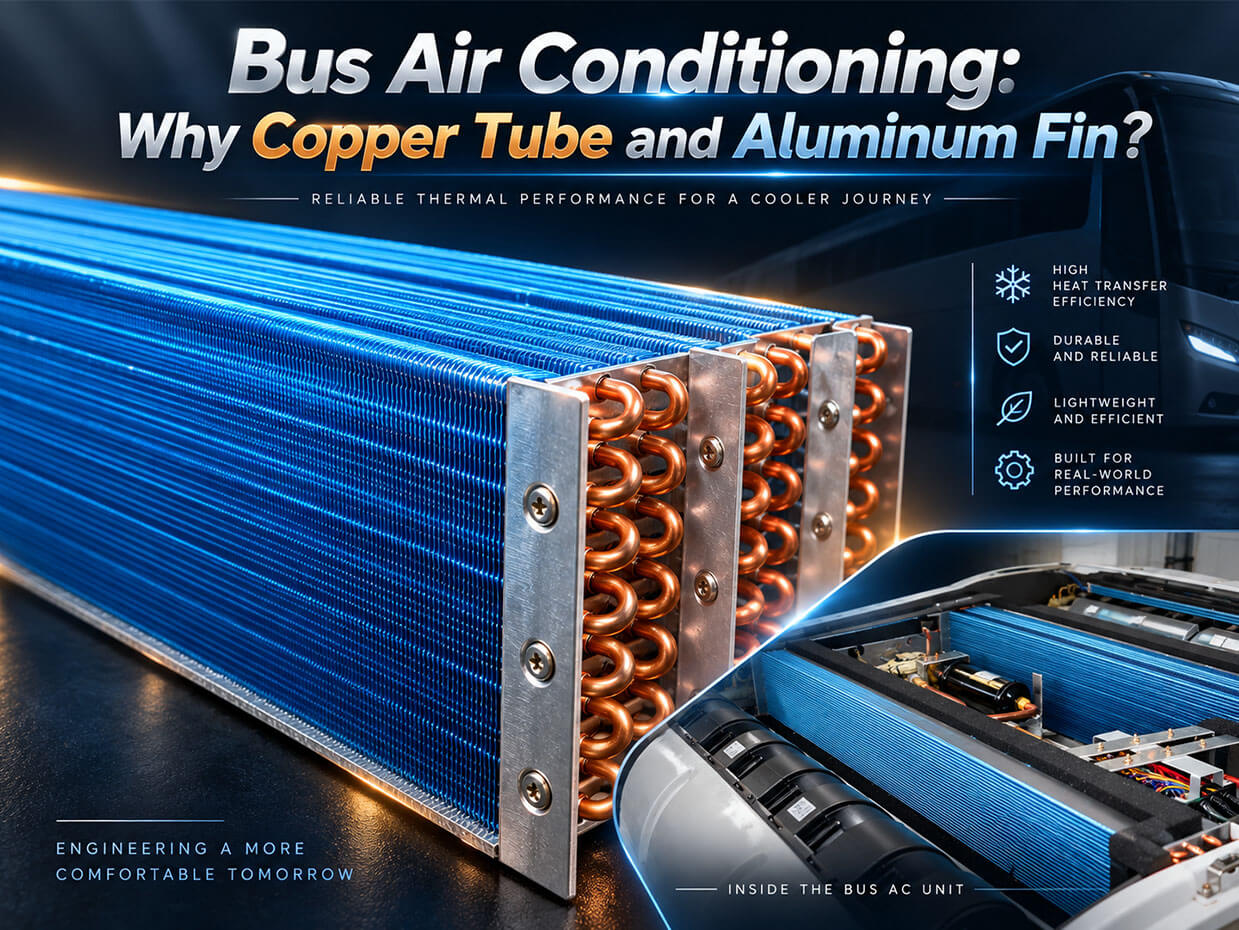
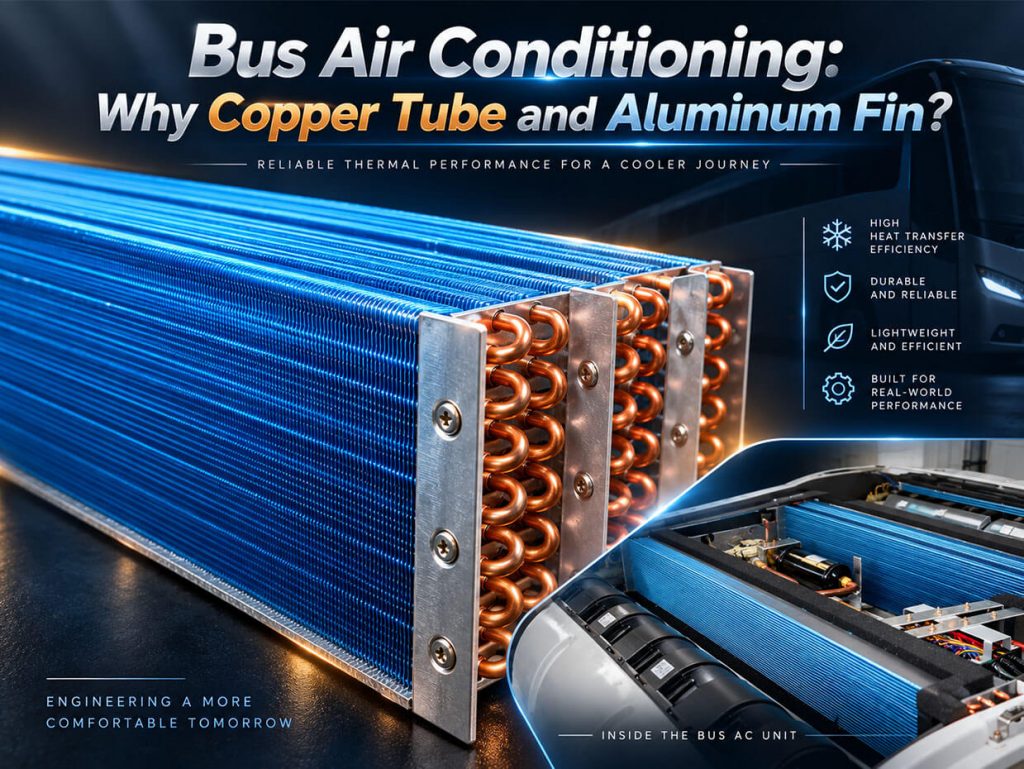
เครื่องแลกเปลี่ยนความร้อนชนิดท่อทองแดงและครีบอลูมิเนียมมักเรียกว่าชนิดครีบท่อกลม (RTPF หรือครีบและท่อ). ส่วนประกอบหลักประกอบด้วยท่อทองแดงและครีบระบายความร้อนอะลูมิเนียม. ทั้งสองเชื่อมต่อกันอย่างแน่นหนาด้วยกระบวนการขยายท่อเชิงกล. สารทำความเย็นจะไหลเวียนอยู่ภายในท่อทองแดง, ในขณะที่อากาศไหลผ่านช่องว่างระหว่างครีบด้านข้าง, จึงทำให้การถ่ายเทความร้อนผ่านผนังท่อทองแดงและครีบเสร็จสมบูรณ์.
ตอนนี้, โดยทั่วไปจะใช้การออกแบบครีบท่อคดเคี้ยวหลายรอบ. โครงสร้างและเทคโนโลยีโดยรวมมีความเป็นผู้ใหญ่, และเส้นทางเดินท่อมีความชัดเจน. นี่คือโซลูชันประเภทแกนหลักที่มีประวัติการใช้งานยาวนานที่สุดและมีการตรวจสอบอย่างละเอียดที่สุดในอุตสาหกรรม.
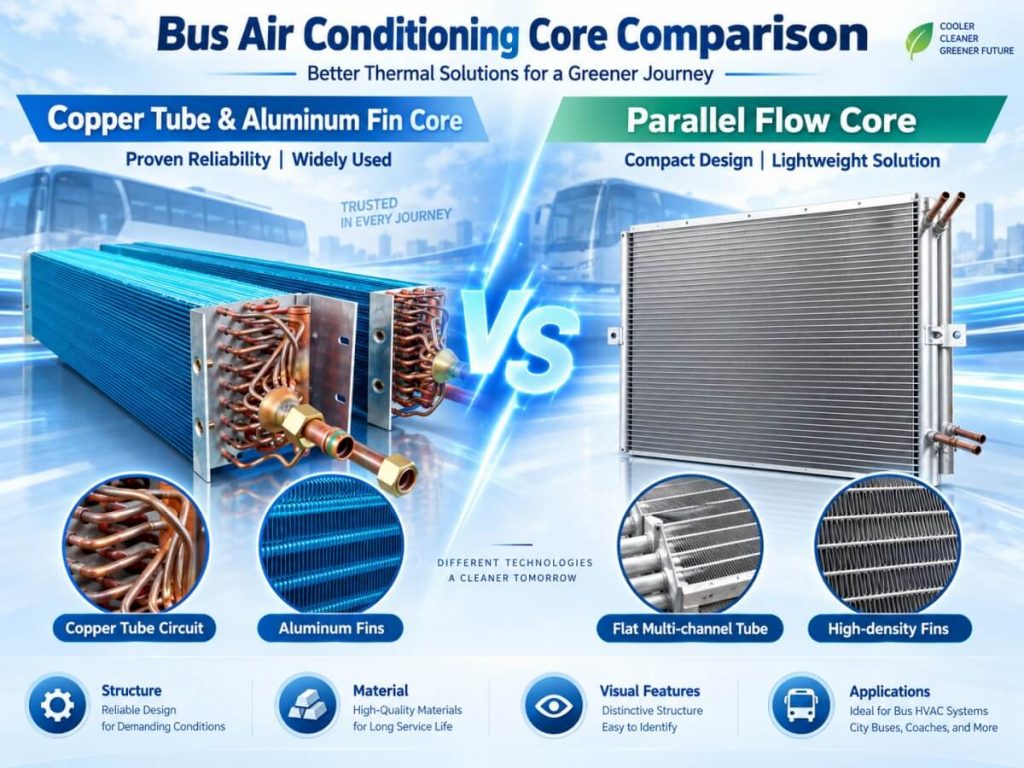
โดยทั่วไปแล้วเครื่องแลกเปลี่ยนความร้อนแบบไหลขนานจะใช้ท่อแบนที่มีรูพรุนอะลูมิเนียม, ครีบบานเกล็ด, และหลากหลาย. ช่องการไหลขนาดเล็กหลายช่องจะขยายพื้นที่แลกเปลี่ยนความร้อนที่ด้านสารทำความเย็น, ส่งผลให้มีโครงสร้างที่กะทัดรัดและมีปริมาตรภายในน้อย. เหมาะสำหรับงานที่ต้องการความบาง, การออกแบบที่มีน้ำหนักเบา, และประสิทธิภาพสูงต่อหน่วยปริมาตร.
ทางด้านคอนเดนเซอร์, เครื่องระเหยแบบไหลแบบขนานให้ความหนาแน่นการแลกเปลี่ยนความร้อนที่สูงขึ้นและความสามารถในการทำความเย็นที่เหนือกว่าต่อหน่วยปริมาตร. นี่คือเหตุผลหลักที่ทำให้มีการใช้อย่างแพร่หลายในรถยนต์โดยสารขนาดเล็ก. อย่างไรก็ตาม, ในด้านอีวาโปเรเตอร์และในสภาวะการทำงานที่ซับซ้อน, เครื่องระเหยแบบท่อทองแดงและครีบอะลูมิเนียมมีข้อดีด้านความเสถียรอย่างมาก.
การวิจัยทางวิชาการแสดงให้เห็นว่าเครื่องระเหยแบบไมโครช่องสัญญาณที่ออกแบบมาอย่างเหมาะสมสามารถมีความสามารถในการทำความเย็นสูงกว่าโครงสร้างแบบเดิมถึง 11%~13%. อย่างไรก็ตาม, ในสภาพการใช้งานจริงของยานพาหนะ, เครื่องระเหยแบบไหลแบบขนานประสบปัญหาการกระจายตัวของสารทำความเย็นที่ไม่สม่ำเสมอ, เปลือกน้ำฅาลอย่างรวดเร็ว, สารตกค้างในการละลายน้ำแข็งมากเกินไป, และปัญหาการระบายน้ำ. ในทางตรงกันข้าม, ท่อทองแดงและเครื่องระเหยครีบอลูมิเนียมมีเส้นผ่านศูนย์กลางท่อที่ใหญ่กว่าและมีการกระจายการไหลที่สม่ำเสมอมากขึ้น, ส่งผลให้การระบายความร้อนมีเสถียรภาพมากขึ้น. นอกจากนี้ยังลดโอกาสที่อุณหภูมิทางออกจะไม่สม่ำเสมอภายใต้การเปิดและปิดประตูบ่อยครั้งบนรถบัส, ซึ่งทำให้เกิดความผันผวนอย่างมากของภาระความร้อน.
ความต้านทานการกัดกร่อนเป็นความแตกต่างที่สำคัญที่สุดระหว่างแกนทั้งสองประเภท, กำหนดอายุการใช้งานของระบบโดยรวมโดยตรง.
ท่อทองแดงและชนิดครีบอะลูมิเนียม:
ทองแดงมีความเสถียรทางเคมี, และภายใต้สภาวะการทำงานปกติ, ตัวท่อทองแดงสามารถอยู่ได้ 15-20 ปี. แม้ว่าครีบอะลูมิเนียมอาจออกซิไดซ์ในที่ชื้นได้, สภาพแวดล้อมสเปรย์เกลือ, ตัวท่อทองแดงจะไม่รั่วซึมอย่างรวดเร็ว, และระบบจะไม่ล้มเหลวในระยะสั้น.
ประเภทการไหลแบบขนาน:
โครงสร้างอะลูมิเนียมทั้งหมดนั้นมีปฏิกิริยาทางเคมี, และความหนาของครีบเพียง 0.08-0.1 มม. ในสภาพแวดล้อมที่รุนแรง เช่น ละอองเกลือสูงในพื้นที่ชายฝั่ง, ฝนกรด, และสารขจัดน้ำแข็งในภาคเหนือ, ฟิล์มออกไซด์ของพื้นผิวเสียหายได้ง่าย. ข้อมูลอุตสาหกรรมแสดงให้เห็นว่าแม้จะมีการบำบัดป้องกันการกัดกร่อนขั้นสูงและสมบูรณ์ก็ตาม, อายุการใช้งานเฉลี่ยของแกนอะลูมิเนียมที่ได้รับการปรับปรุงนั้นอยู่ที่ประมาณ 8-10 ปี. ในที่มีความชื้นสูง, สภาพแวดล้อมที่มีคลอไรด์ไอออนสูง, รูเข็มรั่วอาจเกิดขึ้นได้ประมาณ 4.7 ปี, และอายุการใช้งานโดยรวมก็เพียงเท่านั้น 50%-70% ของสารละลายท่อทองแดง.
รถโดยสารประจำทางวิ่งไปตามถนนสายต่างๆ เป็นระยะเวลานาน, และการสั่นสะเทือนและความผันผวนของแรงดันอย่างต่อเนื่องก่อให้เกิดความท้าทายที่สำคัญต่อความน่าเชื่อถือของแกนกลาง.
ท่อทองแดงและครีบอลูมิเนียมมีผนังหนาและมีความแข็งแรงเชิงกลสูง. ข้อต่อขยายให้ความยืดหยุ่นและการบัฟเฟอร์ในระดับหนึ่ง, ส่งผลให้มีความต้านทานต่อความล้าจากแรงสั่นสะเทือนได้ดีเยี่ยม. ภายใต้สภาพถนนที่รุนแรงซึ่งมีการสั่นสะเทือนที่รุนแรง, แรงกระแทกของอุณหภูมิ, และความผันผวนของแรงดันอย่างรวดเร็ว, ความเสถียรของโครงสร้างท่อทองแดงผนังหนานั้นเด่นชัดยิ่งขึ้น.
ท่อแบนไหลขนานมีความหนาของผนังเพียง 0.3~0.5 มม, และรอยเชื่อมมีความแข็ง. ภายใต้แรงสั่นสะเทือนระยะยาว, มีความเสี่ยงที่จะเกิดความล้าจากการเชื่อมแตกร้าว. ภายใต้ความกดดันสูงเป็นเวลานาน (>2.5MPa), ท่อแบนอาจเกิดการขยายตัวด้วยพลาสติก, ทำให้เกิดรอยแตกขนาดเล็กที่จุดเชื่อมและการรั่วไหลอย่างต่อเนื่อง.
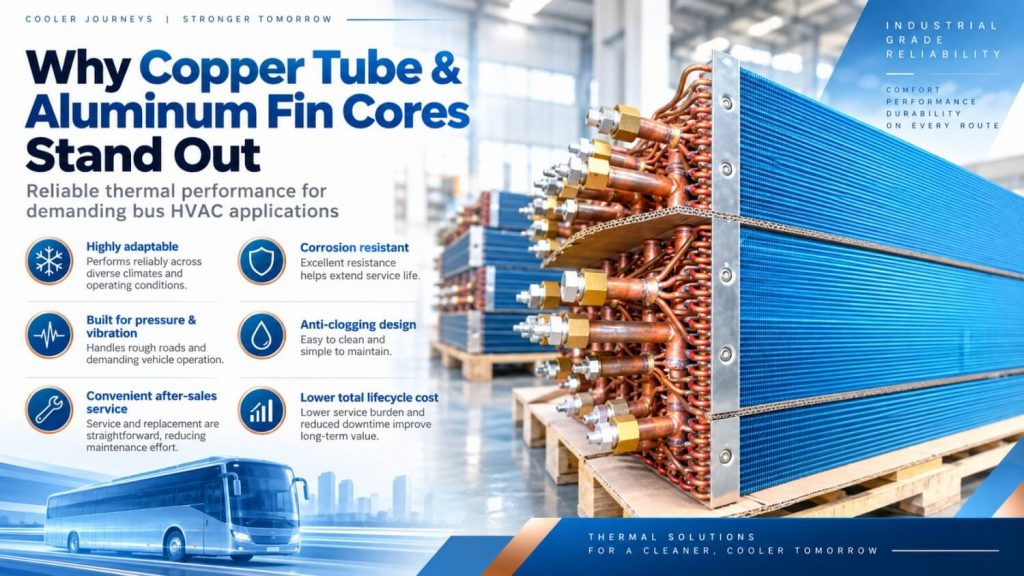
ระบบปรับอากาศของรถบัสทำงานในสภาพแวดล้อมที่มีฝุ่นมาก, และคุณสมบัติป้องกันการอุดตันและทำความสะอาดง่ายของแกนส่งผลโดยตรงต่ออัตราการลดลงของประสิทธิภาพการทำความเย็นและภาระงานในการบำรุงรักษา.
การสะสมของฝุ่นภายนอก: ครีบไหลขนานมีระยะห่างน้อย, ทำให้เสี่ยงต่อการสะสมของฝุ่นบนถนนมากขึ้น, เรณู, วิลโลว์ catkins, และแมลง. การสะสมของฝุ่นทำให้การไหลเวียนของอากาศลดลงอย่างรวดเร็วและประสิทธิภาพการทำความเย็นลดลงอย่างมาก. ครีบอะลูมิเนียมที่บางและอ่อนของครีบไหลแบบขนานไม่เหมาะสำหรับการทำความสะอาดด้วยแรงดันสูง, ทำให้การทำความสะอาดทำได้ยาก. ครีบประเภทครีบอลูมิเนียมท่อทองแดงสามารถใช้ระยะห่างของครีบที่ใหญ่กว่าได้, มีความสามารถในการป้องกันฝุ่นที่แข็งแกร่งยิ่งขึ้น, และความแข็งแรงทางกลที่สูงขึ้น, ทำให้สามารถทนต่อปืนฉีดน้ำแรงดันสูงและการแปรงแบบกลไกได้.
การอุดตันภายใน: ท่อทองแดงและครีบชนิดอะลูมิเนียมมีเส้นผ่านศูนย์กลางใหญ่กว่า, ให้ความทนทานต่อสิ่งสกปรกได้ดีขึ้น, น้ำมัน, และความชื้นภายในระบบ. ไมโครแชนเนลการไหลแบบขนานมีขนาดรูพรุนที่เล็กมาก, ทำให้มีแนวโน้มที่จะอุดตันจากสิ่งสกปรกในระบบและการสะสมตัวของน้ำมันสารทำความเย็นที่เสื่อมสภาพ. วิธีการชะล้างแบบทั่วไปไม่สามารถขจัดสิ่งอุดตันเหล่านี้ได้อย่างสมบูรณ์, มักจะต้องมีการทดแทนโดยตรง.
บริการหลังการขายเป็นหนึ่งในความแตกต่างที่สำคัญที่สุดระหว่างทั้งสองโซลูชั่น.
เมื่อเข้าถึงจุดรั่วไหลได้, วัสดุพิมพ์อยู่ในสภาพดี, และสามารถควบคุมการปนเปื้อนของระบบได้, ท่อทองแดงสามารถบัดกรีเฉพาะที่ได้โดยช่างเทคนิคที่ผ่านการฝึกอบรม. นี่เป็นสิ่งสำคัญอย่างยิ่งสำหรับกองยานพาหนะที่ปฏิบัติการทั่วเมือง, ให้บริการในพื้นที่ห่างไกล, และมีระยะเวลารอคอยอะไหล่ที่ยาวนาน. ในทางตรงกันข้าม, การซ่อมแซมท่อแบนที่มีรูพรุนแบบช่องไมโครช่องแบบขนานและข้อต่อประสานนั้นทำได้ยากมาก. โดยปกติจะขึ้นอยู่กับโซลูชันเฉพาะของผู้ผลิตหรือการเปลี่ยนทดแทนทั้งหมดมากกว่า.
จากมุมมองของต้นทุน, ท่อทองแดงและครีบอลูมิเนียมสามารถซ่อมแซมได้โดยการเชื่อมในกรณีส่วนใหญ่. อย่างไรก็ตาม, โดยทั่วไปแล้วแกนไหลแบบขนานจะไม่สามารถซ่อมแซมได้, ทำให้การเปลี่ยนใหม่หมดมีราคาแพงมากและมักต้องรออะไหล่. สำหรับผู้ประกอบการรถโดยสาร, การสูญเสียในการปฏิบัติงานจากการหยุดทำงานของบัสเพียงวันเดียวนั้นเกินกว่าราคาส่วนต่างของแกนกลางอย่างมาก. นี่คือเหตุผลหลักว่าทำไมท่อทองแดงที่มีแผ่นอลูมิเนียมจึงไม่สามารถทดแทนได้ในตลาดระดับล่างและพื้นที่ห่างไกล.
| รายการซ่อมแซม | ท่อทองแดงและชนิดครีบอะลูมิเนียม | ประเภทการไหลแบบขนาน |
| ซ่อมท่อรั่ว | การซ่อมแซมการบัดกรีนอกสถานที่, การเสียบท่อเดียว, หรือเปลี่ยนท่อบางส่วนก็ได้; เทคโนโลยีมีความเป็นผู้ใหญ่. | เนื่องจากไมโครแชนเนลมีขนาดเล็กมาก, การซ่อมแซมการเชื่อมแทบจะเป็นไปไม่ได้เลย; ในกรณีส่วนใหญ่, จำเป็นต้องเปลี่ยนแกนทั้งหมด. |
| การทำความสะอาดสิ่งอุดตันภายใน | สามารถทำความสะอาดท่อที่มีเส้นผ่านศูนย์กลางขนาดใหญ่ได้อย่างทั่วถึงโดยใช้เครื่องมือทำความสะอาดท่อหรือปืนฉีดน้ำแรงดันสูง. | ช่องไมโครมีแนวโน้มที่จะอุดตัน; วิธีการทำความสะอาดแบบเดิมไม่ได้ผลและไม่สามารถขจัดสิ่งอุดตันได้ลึก. |
| ซ่อมครีบ | ครีบที่มีความแข็งแรงสูงสามารถหวีและเปลี่ยนตำแหน่งได้. | ครีบที่บางและหนาแน่นนั้นซ่อมแซมได้ยากและมีแนวโน้มที่จะเกิดความเสียหายรอง. |
| ความเข้ากันได้ของชิ้นส่วนอะไหล่ | ส่วนแบ่งการตลาดขนาดใหญ่, มาตรฐานสูง, อะไหล่มีราคาถูกและหาได้ง่าย. | ผู้ผลิตแต่ละรายมีข้อกำหนดที่แตกต่างกันอย่างมาก, ส่งผลให้ความเข้ากันได้ของชิ้นส่วนอะไหล่ไม่ดีและราคาที่สูงขึ้น. |
จากมุมมองของต้นทุนการจัดซื้อเบื้องต้น, ต้นทุนวัสดุของแกนไหลแบบขนานต่ำกว่าท่อทองแดงและครีบอลูมิเนียม 20% ~ 35%. ทำให้ราคาซื้อโดยรวมน่าสนใจยิ่งขึ้น. อย่างไรก็ตาม, จากมุมมองของวงจรชีวิตโดยรวม, หากสภาพแวดล้อมการทำงานรุนแรง, ความถี่ในการเปลี่ยนแกนไหลแบบขนานนั้นมากกว่าสองเท่าของความถี่ของโซลูชันท่อทองแดง. บวกกับการสูญเสียเวลาหยุดทำงานและค่าบำรุงรักษาที่สูงขึ้น, ต้นทุนรวมในระยะยาวนั้นสูงกว่าต้นทุนของท่อทองแดงและครีบอลูมิเนียมจริงๆ.
ขอแนะนำให้กองยานพาหนะคำนวณความถี่ในการทำความสะอาด, การเปลี่ยนชิ้นส่วนให้สมบูรณ์, และการสูญเสียการหยุดทำงานของยานพาหนะร่วมกัน.

เป็นรถยนต์เพื่อการพาณิชย์, รถโดยสารทำงานภายใต้เงื่อนไขพื้นฐานที่แตกต่างจากเครื่องปรับอากาศในครัวเรือนหรือรถยนต์นั่งส่วนบุคคล. คุณลักษณะเฉพาะเหล่านี้กำหนดว่าเครื่องปรับอากาศแบบท่อทองแดงและครีบอะลูมิเนียมเป็นตัวเลือกที่น่าเชื่อถือมากกว่า.
เครื่องปรับอากาศรถบัสส่วนใหญ่จะติดตั้งบนหลังคา, โดยคอนเดนเซอร์จะถูกปล่อยออกสู่ภายนอกอาคารตลอดเวลา, ถูกแสงแดด, ฝน, มูลนก, และฝุ่น. การฉีดน้ำแรงดันสูงระหว่างการล้างรถยังส่งผลโดยตรงต่อครีบอีกด้วย. ครีบไหลขนานมีความบางและมีความต้านทานต่อความเสียหายทางกลต่ำ, นำไปสู่การสึกหรอได้เร็วขึ้นในสภาพแวดล้อมกลางแจ้งที่รุนแรง. เครื่องปรับอากาศแบบท่อทองแดงและครีบอลูมิเนียมมีท่อทองแดงที่มีความแข็งแรงสูงและครีบทนแรงกระแทกมากขึ้น, ทำให้เหมาะสมกับสภาพแวดล้อมที่รุนแรงของการติดตั้งบนหลังคา.
ฝุ่น, สะเก็ดผิวหนัง, และเศษอาหารที่ผู้โดยสารบรรทุกอาจเข้าไปในเครื่องระเหยพร้อมกับอากาศขากลับ. บวกกับการบำรุงรักษาตัวกรองบัสที่ไม่เหมาะสมบ่อยครั้ง, การอุดตันสามารถเกิดขึ้นได้. ครีบไหลขนานที่มีความหนาแน่นสูงมีแนวโน้มที่จะเกิดการอุดตันได้ง่าย, ส่งผลให้กระแสลมลดลงกะทันหันและประสิทธิภาพการทำความเย็นลดลงอย่างง่ายดาย.
โดยทั่วไปแล้วรถโดยสารประจำทางจะเป็นยานพาหนะเพื่อการพาณิชย์, ด้วยการเปิดปิดประตูบ่อยครั้ง, ส่งผลให้เกิดความผันผวนอย่างมากต่อภาระความร้อนของห้องโดยสาร. ภายใต้ภาระบางส่วน, ปัญหาการกระจายตัวของสารทำความเย็นที่ไม่สม่ำเสมอในเครื่องระเหยแบบไหลแบบขนานก็ถูกขยายออกไป, นำไปสู่การเกิดน้ำค้างแข็งเฉพาะที่และอุณหภูมิอากาศทางออกที่ไม่สม่ำเสมอ.
ระยะเวลาการให้บริการของรถโดยสารและรถโดยสารทางไกลส่งผลโดยตรงต่อรายได้จากการดำเนินงาน. การหยุดทำงานของยานพาหนะส่งผลให้เกิดความสูญเสียทางเศรษฐกิจโดยตรงและการร้องเรียนด้านบริการ. เครื่องระเหยท่อทองแดงและครีบอะลูมิเนียมมีอัตราความล้มเหลวต่ำกว่า และสามารถซ่อมแซมที่ไซต์งานได้อย่างรวดเร็วหลังจากเกิดข้อผิดพลาด, ลดการหยุดทำงาน. หากเครื่องระเหยแบบไหลขนานรั่วหรืออุดตัน, มักต้องมีการเปลี่ยนใหม่ทั้งหมด. ส่งผลให้ต้องใช้เวลารออะไหล่นานและมีผลกระทบต่อกำหนดการปฏิบัติงานมากขึ้น.
แน่นอน, ไม่ได้หมายความว่ารถบัสทุกคันต้องใช้ท่อทองแดงและครีบอลูมิเนียม. หากโครงการให้ความสำคัญกับพื้นที่น้ำหนักเบาและกะทัดรัดเป็นพิเศษ, และมีทรัพยากรสำหรับการจัดหาอะไหล่ล่วงหน้าและเครือข่ายการบำรุงรักษาเฉพาะ, การไหลแบบขนานอาจเป็นทางออกที่ดีกว่า. ในทางกลับกัน, ในโครงการที่มีสภาพแวดล้อมที่รุนแรง, เส้นทางยาว, ข้อกำหนดด้านเวลาทำงานสูง, และกระจายทรัพยากรการบำรุงรักษา, ความง่ายในการบำรุงรักษาท่อทองแดงและครีบอะลูมิเนียมมีแนวโน้มที่จะแปลเป็นมูลค่าการปฏิบัติงานมากกว่า.
ในฐานะผู้ให้บริการชั้นนำระดับโลกด้านโซลูชันระบบปรับอากาศสำหรับรถบัสและการจัดการความร้อน, TKT ใช้ท่อทองแดงและโครงสร้างแกนครีบอลูมิเนียมอย่างสม่ำเสมอตลอดช่วงผลิตภัณฑ์ทั้งหมด เครื่องปรับอากาศรถบัส ผลิตภัณฑ์. สิ่งนี้สร้างโซลูชันการระบายความร้อนที่เชื่อถือได้สูงและอายุการใช้งานยาวนานสำหรับสถานการณ์การปฏิบัติงาน.
ท่อทองแดงและแกนครีบอลูมิเนียมของ TKT ใช้การออกแบบท่อทองแดงแบบเกลียวภายใน, ทำลายการไหลแบบราบเรียบของสารทำความเย็นและปรับปรุงค่าสัมประสิทธิ์การถ่ายเทความร้อนภายในท่อ. นอกจากนี้, ครีบอลูมิเนียมลูกฟูกไฮโดรฟิลิกเกรดสูงถูกนำมาใช้เพื่อเพิ่มประสิทธิภาพการแลกเปลี่ยนความร้อน. การเคลือบที่ชอบน้ำป้องกันการสะสมของน้ำผิวดิน. จากรถมินิบัสสูง 6 เมตร ไปจนถึงรถโดยสารขนาด 14 เมตร, ตั้งแต่รถโดยสารที่ใช้น้ำมันดีเซลไปจนถึงรถโดยสารไฟฟ้าบริสุทธิ์, เครื่องระเหยและคอนเดนเซอร์ของผลิตภัณฑ์ TKT ทั้งหมดใช้ท่อทองแดงและโครงสร้างครีบอลูมิเนียมอย่างสม่ำเสมอ, สร้างความมั่นใจในความสอดคล้องและความน่าเชื่อถือของผลิตภัณฑ์.
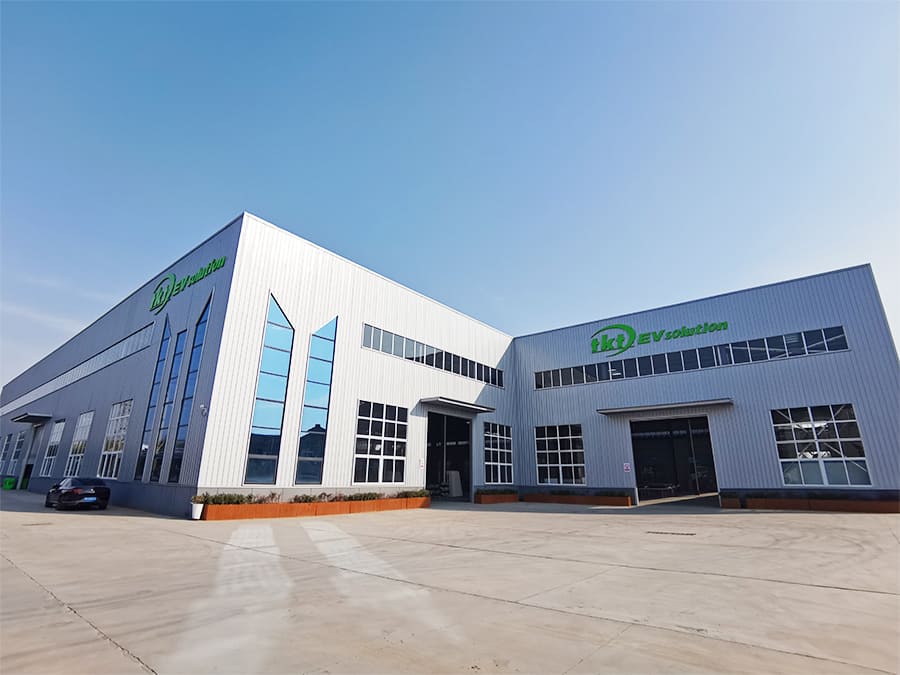
ด้วยการออกแบบโครงสร้างที่เป็นผู้ใหญ่และระบบการควบคุมคุณภาพที่เข้มงวด, ระบบปรับอากาศรถบัส TKT ได้รับการยอมรับจากผู้ผลิตรถยนต์รายใหญ่ระดับโลก เช่น BYD และ Tata. ผลิตภัณฑ์ได้รับการตรวจสอบอย่างละเอียดในตลาดที่มีอุณหภูมิสูงเช่นอินเดีย, ด้วยอายุการใช้งานที่ออกแบบไว้ของ 12-18 ปี. TKT รองรับบริการปรับแต่ง OEM/ODM และระบบอะไหล่หลังการขายที่ครอบคลุม. ช่วยให้ผู้ให้บริการทั่วโลกสามารถลดต้นทุนการบำรุงรักษาตลอดอายุการใช้งานได้.
สรุป, แกนการไหลแบบขนานมีข้อได้เปรียบในแง่ของการออกแบบที่มีน้ำหนักเบา, ประสิทธิภาพการแลกเปลี่ยนความร้อนต่อหน่วยปริมาตร, และต้นทุนเริ่มต้น, ทำให้เหมาะสำหรับรถยนต์โดยสารขนาดกะทัดรัดและการเดินทางระยะสั้นที่ทำงานภายใต้สภาวะที่มั่นคง. อย่างไรก็ตาม, สำหรับรถโดยสารขนาดใหญ่และขนาดกลางที่ให้บริการกลางแจ้งเป็นระยะเวลานาน, เผชิญกับสภาพถนนที่ซับซ้อน, และต้องการความน่าเชื่อถือและประสิทธิภาพการบำรุงรักษาที่สูงมาก, ท่อทองแดงและแกนครีบอลูมิเนียมยังคงไม่สามารถถูกแทนที่ได้เนื่องจากมีความต้านทานการกัดกร่อนที่เหนือกว่า, ความต้านทานการสั่นสะเทือน, ความสามารถในการป้องกันการอุดตัน, การบำรุงรักษาหลังการขาย, และต้นทุนตลอดอายุการใช้งาน.
เมื่อเลือกแกนเครื่องปรับอากาศแบบบัส, การพิจารณามากกว่าราคาซื้อเริ่มแรกเป็นสิ่งสำคัญ. ต้องมีการประเมินวงจรชีวิตที่ครอบคลุม, โดยคำนึงถึงสภาพแวดล้อมในการทำงาน, ความสามารถในการบำรุงรักษา, และการสูญเสียการหยุดทำงาน. ความมุ่งมั่นของ TKT ต่อแนวทางเทคโนโลยีท่อทองแดงและครีบอลูมิเนียมนั้นอิงจากสถานการณ์การใช้งานจริงของรถโดยสารเชิงพาณิชย์, ช่วยให้ผู้ปฏิบัติงานทั่วโลกได้รับโซลูชันระยะยาวที่เชื่อถือได้และประหยัดมากขึ้น.
ก: ไม่จำเป็น. การไหลแบบขนานมักมีข้อดีในการแลกเปลี่ยนความร้อนต่อหน่วยปริมาตร, น้ำหนัก, และปริมาณภายใน. ข้อดีของท่อทองแดงและครีบอลูมิเนียมจะสะท้อนให้เห็นในอายุการใช้งานมากขึ้น, ความสะดวกในการทำความสะอาดและบำรุงรักษา, การปรับแต่ง, ความสามารถในการซ่อมแซม, และการปรับตัวที่ดีขึ้นต่อสภาวะการทำงานที่ซับซ้อน.
ก: หากสามารถเข้าถึงจุดรั่วของท่อทองแดงกลมได้, ช่างเทคนิคที่ผ่านการรับรองสามารถทำการบัดกรีเฉพาะที่ได้. ขนาดช่องไมโครของการไหลแบบขนานมีขนาดเล็กมาก (ระดับมิลลิเมตร), และการเชื่อมอลูมิเนียมต้องใช้อุปกรณ์และกระบวนการพิเศษ. ร้านซ่อมทั่วไปไม่สามารถทำได้, และการทดแทนส่วนประกอบทั้งหมดเป็นเรื่องปกติมากขึ้น.
ก: สามารถทำความสะอาดได้อย่างอ่อนโยนตามคำแนะนำของผู้ผลิต, แต่เป็นปืนฉีดน้ำแรงดันสูง, แปรงแข็ง, หรือสารเคมีที่มีฤทธิ์กัดกร่อนรุนแรงไม่สามารถนำมาใช้ได้. ต้องใช้เวลาทำความสะอาดและบำรุงรักษาค่อนข้างนานกว่า.
ก: ไม่มีรูปสากล. อายุการใช้งานขึ้นอยู่กับวัสดุ, การเคลือบ, สเปรย์เกลือและการปนเปื้อน, การระบายน้ำ, การสั่นสะเทือน, การปั่นจักรยานด้วยแรงดัน, ทำความสะอาด, และคุณภาพการบำรุงรักษา. อย่างไรก็ตาม, พูดโดยทั่วไป, ท่อทองแดงและแกนครีบอลูมิเนียมมีอายุการใช้งานยาวนานกว่าแกนไหลแบบขนาน.
ราคาทองแดงก็ประมาณนี้ 3 ถึง 4 เท่าของอลูมิเนียม. ต้นทุนวัสดุของคอนเดนเซอร์แบบไหลแบบขนานอยู่ที่ประมาณ 30% ถึง 35% ต่ำกว่าคอนเดนเซอร์แบบท่อ/ครีบ. อย่างไรก็ตาม, ตลอดอายุการใช้งาน, ค่าบำรุงรักษาและเปลี่ยนท่อทองแดงและคอนเดนเซอร์ครีบอลูมิเนียมต่ำกว่า.
การอ่านเพิ่มเติม: สิทธิบัตรใหม่สำหรับระบบ HVAC ของรถบัส, วิธีเลือกหน่วย AC ที่เหมาะสมสำหรับรถบัส, การเปรียบเทียบสารทำความเย็นเครื่องปรับอากาศสำหรับรถบัส
เฟสบุ๊ค: https://www.facebook.com/TKTHVAC/
ลิงค์ดิน: https://www.linkedin.com/company/tkt-hvac
ยูทูป: https://www.youtube.com/@TKTHVAC