Дом What Is Thermal Runaway As It Relates To EVs – ТКТ
Новости компании
What Is Thermal Runaway As It Relates To EVs – ТКТ
03
05,
2026
Against the backdrop of the global electrification of transportation, lithium-ion batteries are the core power source for electric vehicles (Электромобили), and their energy density and charge/discharge efficiency are rapidly improving. This progress has significantly extended driving range, but it has also placed higher demands and new challenges on vehicle safety technology. Among the many potential safety hazards, thermal runaway has consistently been a focus of engineers' discussions. So what is thermal runaway as it relates to EVs? Preventing thermal runaway has become a primary concern for automakers, fleet operators, and end users. This phenomenon is not only about technical compliance, but also about passenger safety and the future of brands. This article will provide a detailed analysis of all aspects of thermal runaway in electric vehicles, from its basic definition and root causes to practical prevention strategies.
Ⅰ. What is thermal runaway as it relates to EVs?
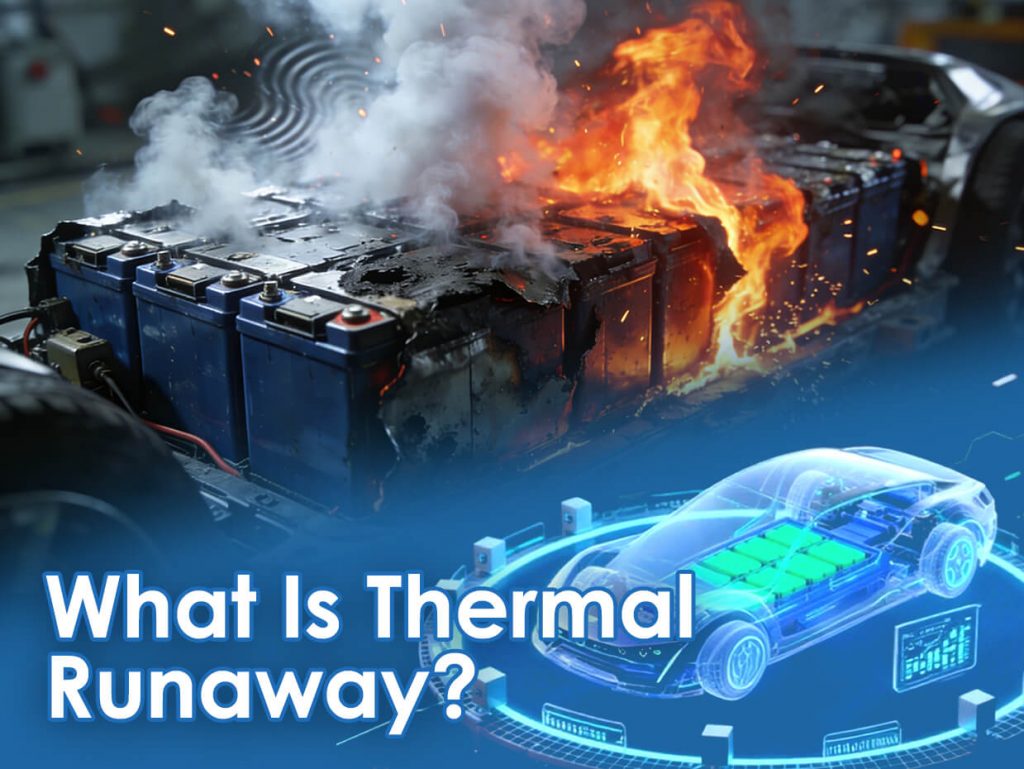
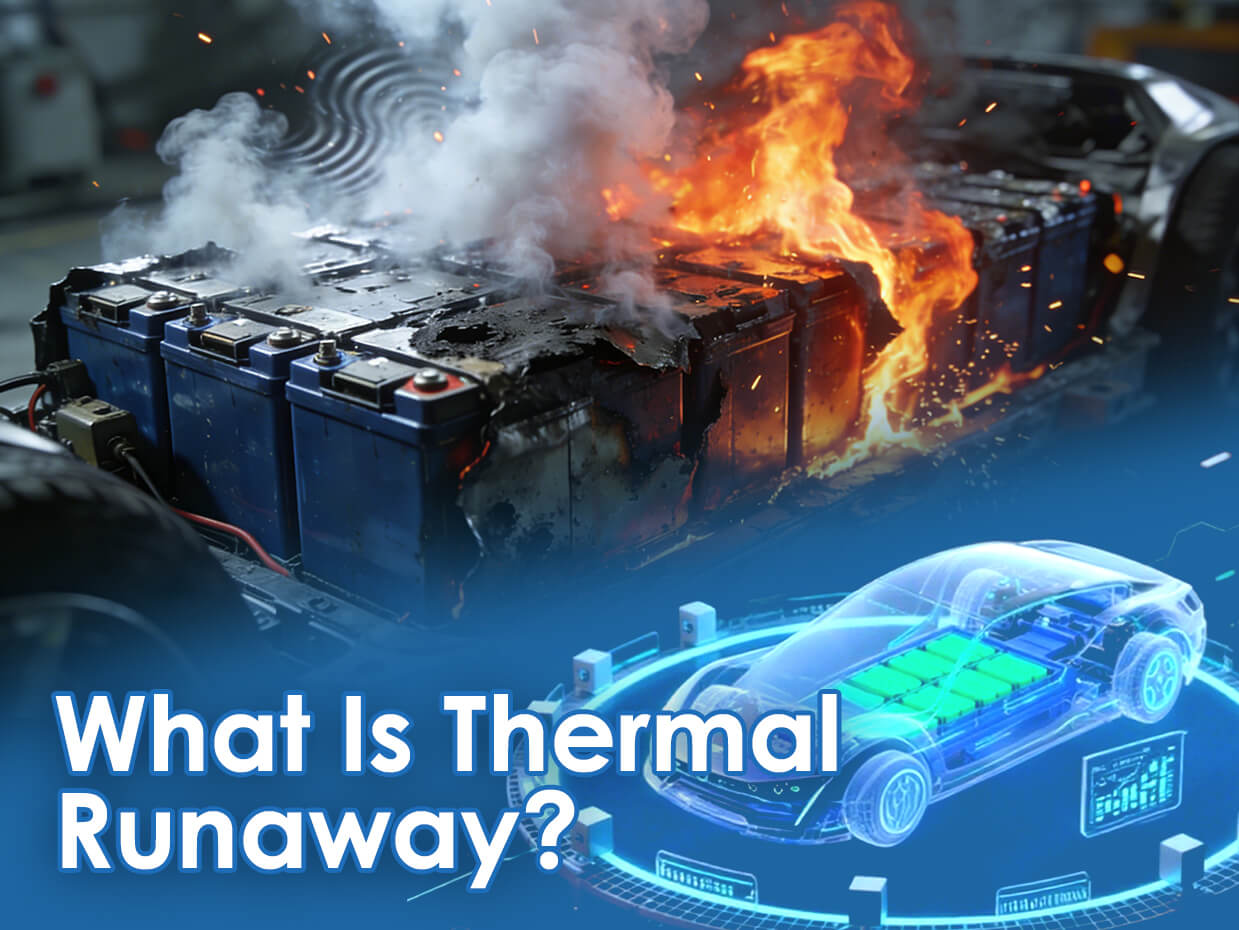
Thermal runaway refers to an uncontrolled, continuous exothermic chain reaction occurring inside a lithium-ion battery, causing the battery to heat up abnormally rapidly. When the battery temperature exceeds its critical threshold, thermal runaway occurs, triggering a series of chain chemical reactions that release large amounts of heat, flammable gases, and toxic emissions.
This chain reaction occurs when the rate at which the battery generates heat exceeds its rate of heat dissipation to the surrounding environment. This imbalance causes a sudden, exponential increase in temperature, peaking at over 1000 градусов Цельсия. During this process, the battery releases toxic and highly flammable gases. The greatest risk is not the failure of a single battery, but thermal diffusion. The heat generated by a runaway battery can spread to adjacent batteries, causing their temperatures to exceed the critical threshold and triggering a domino effect that can engulf the entire battery pack within seconds, leading to fire, explosion, and irreversible damage.
For electric vehicles, this is not merely a theoretical risk, but a real threat that jeopardizes vehicle safety and consumer trust.
What is thermal runaway as it relates to EVs?
Ⅱ. What causes thermal runaway in batteries?
Having explained "what is thermal runaway as it relates to EVs?", let's now understand the various causes of thermal runaway in electric vehicle batteries. The main causes can be summarized into the following four categories:
1. Physical Damage
Physical damage is the primary cause of thermal runaway events in electric vehicles, accounting for over 37% of recorded cases. This includes severe impacts, penetration by hard objects, и т. д., all of which damage the battery's internal structure, separator, or casing. Even minor and imperceptible damage from low-speed impacts can create a potential internal short circuit and trigger thermal runaway hours or days later.
2. Electrical Damage
Thermal runaway can occur when a battery is operated beyond its design voltage and current limits. Key causes include:
2.1 Overcharging: Forcing excessive current into the battery can cause lithium deposition on the anode, forming dendrites that can pierce the separator and cause an internal short circuit.
2.2 Over-discharging: Discharging the battery voltage below its minimum voltage threshold damages the SEI layer and positive electrode structure, increasing internal resistance and generating more heat in subsequent charging cycles.
3. Thermal Abuse
Thermal stress occurs when a battery is exposed to extreme temperatures beyond its optimal operating range. Excessive temperatures cause the separator to melt and shrink. Once the separator fails, it creates a wide-ranging internal short circuit, generating enormous amounts of heat instantaneously.
4. Internal Defects and Aging
Even without external abuse, potential manufacturing and design flaws can trigger thermal runaway.
Ⅲ. How to avoid thermal runaway?
Preventing thermal runaway requires a multi-layered, proactive approach. В настоящее время, the most effective prevention strategies can be summarized into the following six core categories:
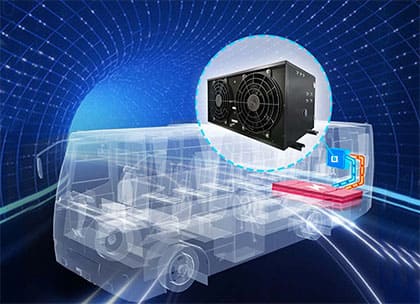
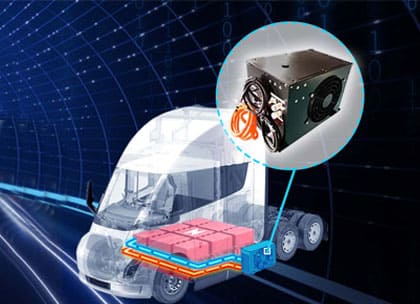
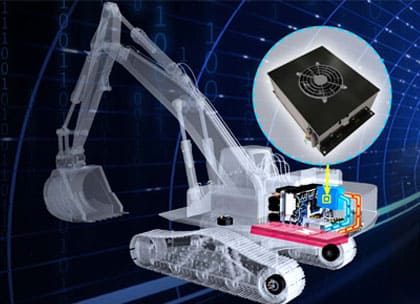
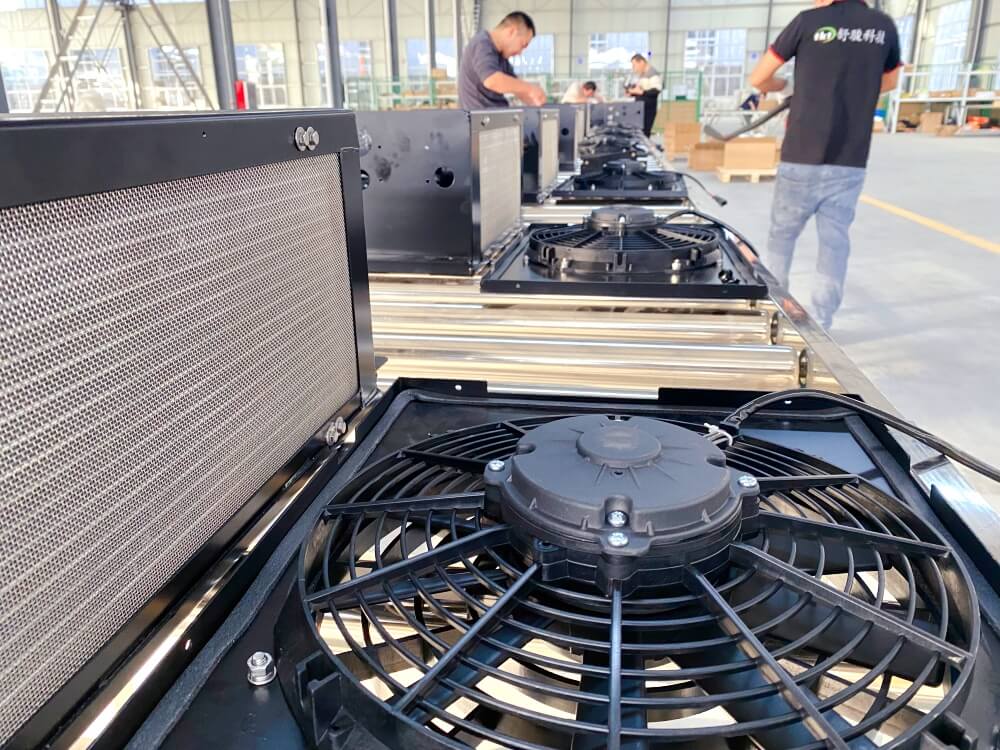
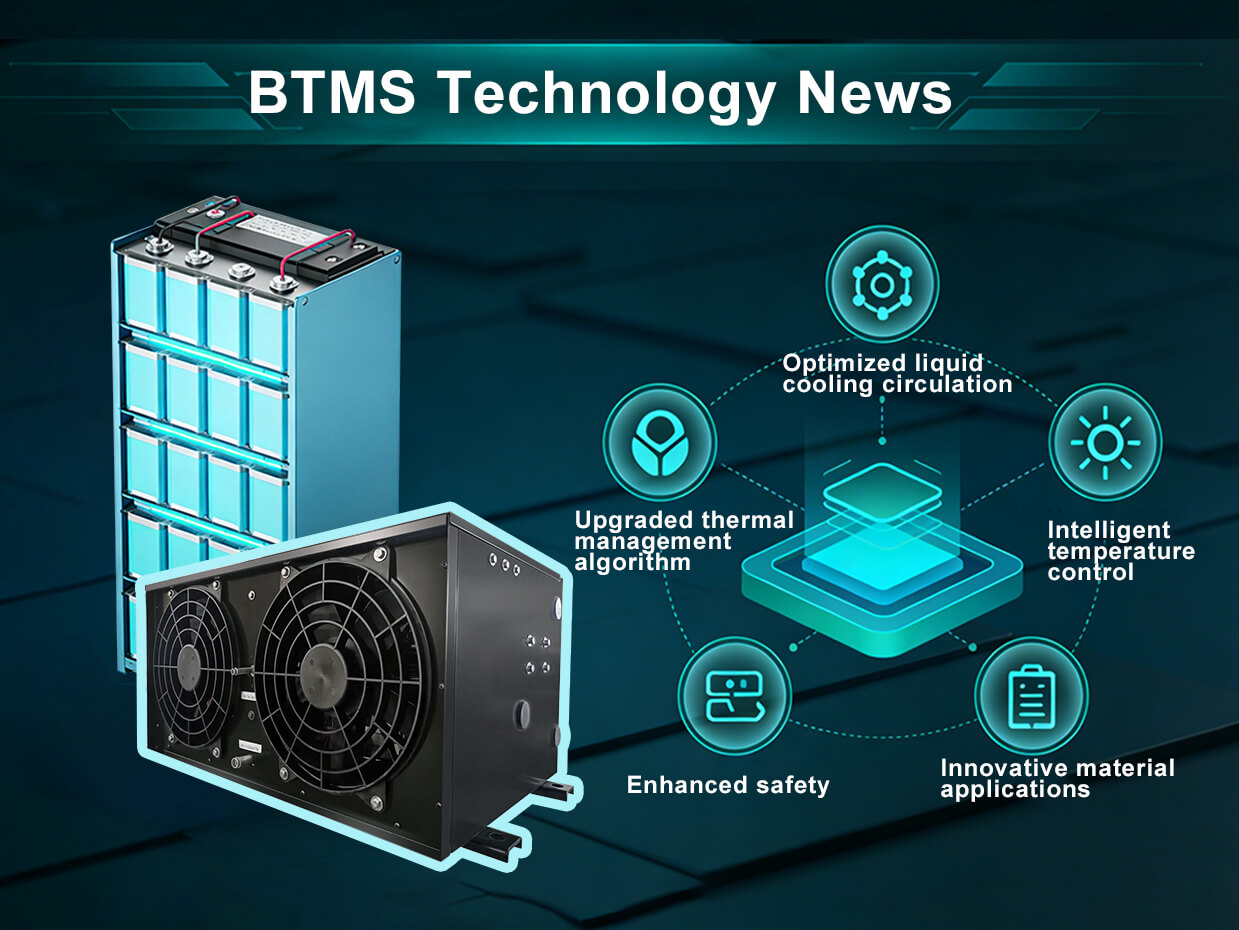
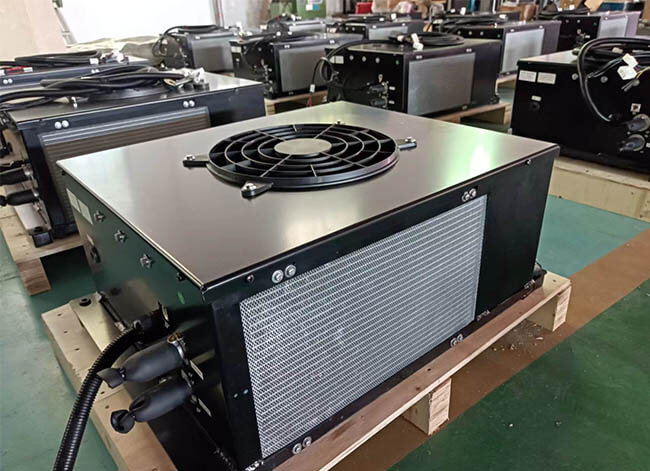
A high-performance BTMS is the foundation for preventing thermal runaway, maintaining each cell in the battery pack within its optimal temperature range. Active liquid cooling systems are the industry standard for modern electric buses and trucks. It uses circulating coolant flowing through cooling plates in contact with the cells, rapidly removing heat using the liquid's high specific heat capacity. This achieves uniform temperature control even during high-power charging, rapid acceleration, or extreme ambient temperatures.
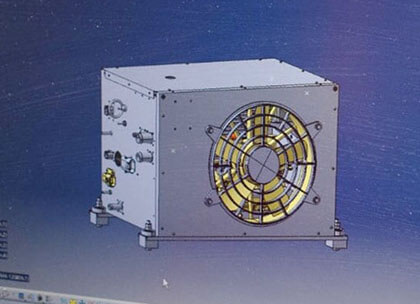
Например, TKT's liquid cooling system maintains uniform battery temperature, preventing heat buildup in the initial stages. Нажмите, чтобы узнать больше.
2. Intelligent Battery Management System (БМС) Monitoring and Early Warning
An advanced BMS can continuously monitor the cell's voltage, текущий, температура, and internal resistance in real time. Through highly sophisticated algorithms, the BMS can identify the battery's state and health status. When an anomaly is detected, it can immediately take appropriate measures: reduce the charge/discharge rate, activate the Battery Management System (БТМС) to enhance cooling, isolate the faulty cell, or completely shut down the battery system to prevent thermal runaway.
3. Cell Material and Design Optimization
These cell improvements also reduce the risk of thermal runaway under high loads.
3.1 Electrode materials with excellent thermal stability.
3.2 Flame-retardant electrolyte and high-temperature resistant ceramic-coated separator.
3.3 Built-in pressure relief valve and rupture disc.
4. Battery Pack Structure and Thermal Insulation
To prevent heat dissipation in the event of a single cell failure, the battery pack should incorporate thermal insulation and fire-resistant insulating layers. These measures confine heat within the faulty cell, preventing its spread to adjacent cells, thereby mitigating or preventing thermal runaway.
5. Vehicle Layout Optimization
Vehicle manufacturers recommend placing the battery within a protected area of the vehicle's structure during vehicle design to avoid directly transferring all external forces to the battery during a collision.
6. Safe Operation and Maintenance
Proper operating procedures for end users and fleet operators also play a crucial role in mitigating risks. It is recommended to use certified, manufacturer-approved charging equipment. Avoid charging in extreme high or low temperatures. Perform regular battery health checks and address any battery damage immediately.
Ⅳ. Why is thermal runaway protection important in manufacturing?
The manufacturing stage determines the battery's intrinsic quality: once internal short-circuit defects, encapsulation defects, or material residues enter the battery pack, they are extremely difficult to compensate for through software or external devices during subsequent use in the vehicle. Поэтому, thermal runaway protection is not an afterthought; it must be integrated into every stage of electric vehicle and battery pack manufacturing. Rigorous quality control, such as vibration, electrical performance, and safety testing, must be implemented during the manufacturing process.
Ⅴ. How common is thermal runaway?
Public perception is often higher than the actual accident rate, mainly due to high-profile media coverage of electric vehicle fires.
In China, the world's largest electric vehicle market, the National Fire and Rescue Bureau reports that the fire rate for electric vehicles is 7.175 per million vehicles, approximately one-sixth of that for gasoline vehicles. In the United States, industry data shows about 25 fires per 100,000 electric vehicles, compared to 1,530 fires per 100,000 gasoline vehicles.
While thermal runaway in electric vehicles is statistically extremely rare, its consequences are far more severe. Gasoline vehicle fires typically offer 3-5 minutes for evacuation, while thermal runaway in an electric vehicle battery can progress to the entire battery pack igniting within a minute, reaching temperatures exceeding 1000 degrees Celsius and producing toxic gases. Поэтому, even rare thermal runaway events require robust and proactive protection systems.
Ⅵ. Can thermal runaway be avoided if detected early?
The answer is yes. The vast majority of thermal runaway events can be avoided if detected and addressed before the battery reaches its critical temperature threshold.
Industry research and experts confirm that thermal runaway does not occur instantaneously. There are warning signs, ranging from minutes to hours, before the reaction begins. These signs include:
1. Abnormal temperature spikes or localized hot spots in individual cells, even if the temperature is still below the critical threshold.
2. An unexpected increase in internal voltage resistance.
3. Release of volatile compounds and trace amounts of gas from the battery.
4. A slight increase in pressure within the battery pack.
Advanced monitoring systems can detect these early warning signs with extremely high accuracy. When used in conjunction with a high-performance battery thermal management system (БТМС), these systems can take immediate and proactive measures to prevent thermal runaway. The key to successful prevention lies in combining highly sensitive early detection with a high-performance thermal management system.
In the case of severe mechanical damage, current traditional monitoring and thermal management methods cannot completely prevent thermal runaway, but good design can limit its spread and reduce the danger.
Ⅶ. ТКТ: Your Trusted Partner for Electric Vehicle Thermal Runaway Prevention
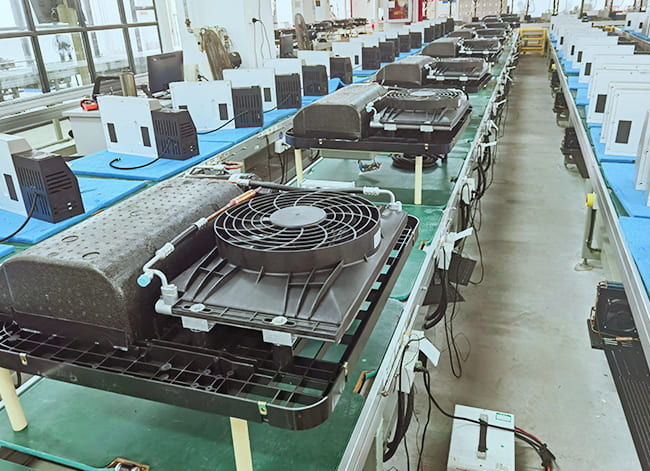
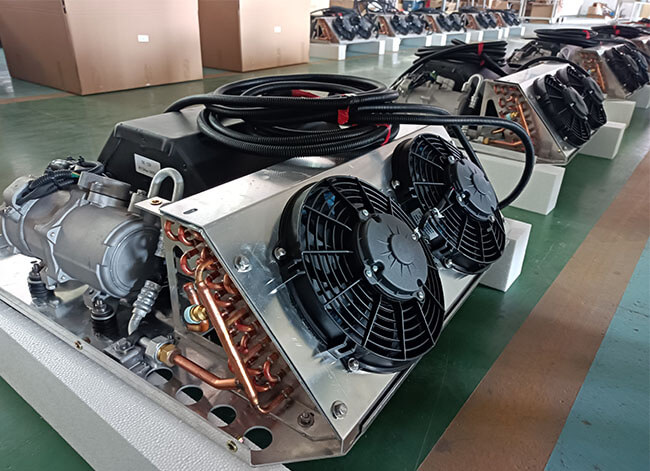
As a leading manufacturer of electric vehicle battery thermal management systems in China, TKT boasts over 10 years of R&D and manufacturing experience, committed to providing robust, надежный, OEM-grade thermal management solutions, setting an industry benchmark for thermal runaway prevention. As a trusted supplier to Fortune 500 automotive brands such as BYD, Тата Моторс, and Switch Mobility, TKT's Battery Thermal Management System (БТМС) solutions aim to eliminate the risk of thermal runaway at its source and demonstrate superior performance under the most extreme operating conditions.
Core Advantages of TKT Battery Thermal Management System Solutions
1. Точный контроль температуры
2. OEM Customized Professional Technology
3. Robust and Reliable Design
4. Industry-Leading Certifications
5. Lightweight and Efficient Design
Ⅷ. Краткое содержание
I believe you now understand "what is thermal runaway as it relates to EVs." Thermal runaway is one of the most serious safety challenges facing the global electric vehicle industry. By gaining a deep understanding of its root causes, adopting multi-layered prevention strategies, and utilizing advanced thermal management systems, automakers can eliminate virtually all risks of thermal runaway. TKT is proud to be at the forefront of this field, providing OEM-level Battery Thermal Management System (БТМС) solutions to protect battery packs, enhance passenger safety, and accelerate the global transition to electric mobility.
For more information on how TKT's Battery Thermal Management System can improve the safety and performance of your electric vehicle, please contact our engineering team today for a customized solution consultation.
Достоверный китайский производитель, специализирующийся на системах управления аккумулятором (БТМС), Кондиционеры для автобусов, Truck & RV A/C, и зарядные устройства для электромобилей.