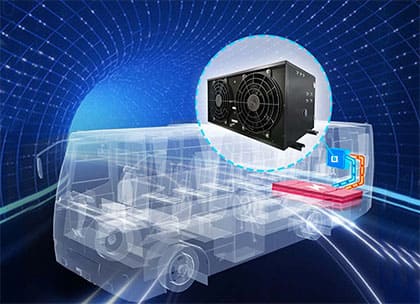
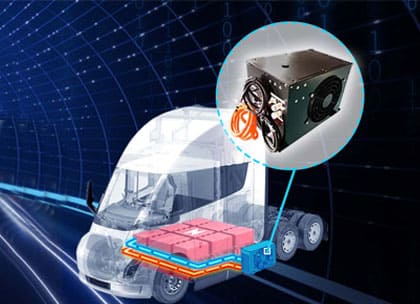
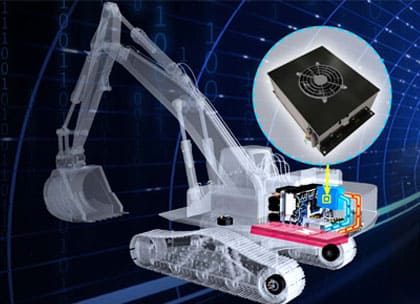
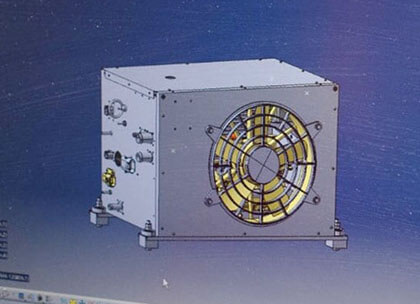
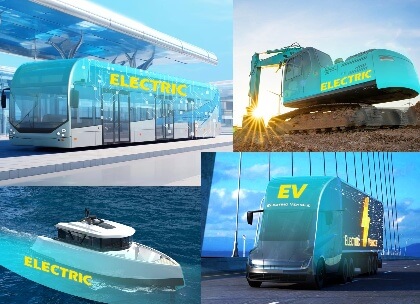
Panoramica del BTMS per attrezzature pesanti
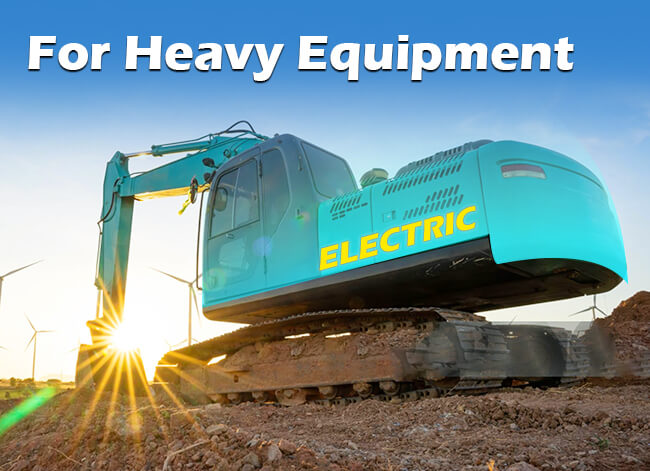
Le attrezzature pesanti si riferiscono tipicamente a macchinari edili e attrezzature minerarie, che operano in ambienti difficili come le alte temperature, vibrazione elevata, e livelli elevati di polvere. L'equipaggiamento pesante elettrico BTMS (Sistema di gestione termica della batteria) è un sistema specializzato di controllo della temperatura che raffredda e riscalda le batterie di alimentazione di questi dispositivi. Le batterie che funzionano entro l'intervallo di temperatura appropriato possono raggiungere le massime prestazioni, prolungare la loro durata di vita, e prevenire la fuga termica nelle attrezzature pesanti, rendendolo più sicuro.

Le batterie delle apparecchiature elettriche pesanti in genere hanno capacità che vanno da 300 A 600 KWh, o anche 700 KWh. Queste batterie sperimentano correnti di carica e scarica istantanee più elevate, generare più calore e imporre requisiti di dissipazione del calore più rigorosi. Perciò, il BTMS per attrezzature pesanti richiede un robusto design di dissipazione del calore per resistere a temperature estreme. Per soddisfare queste richieste, il sistema di raffreddamento della batteria deve utilizzare il raffreddamento a liquido, che è attualmente il metodo di raffreddamento della batteria più maturo ed economico.
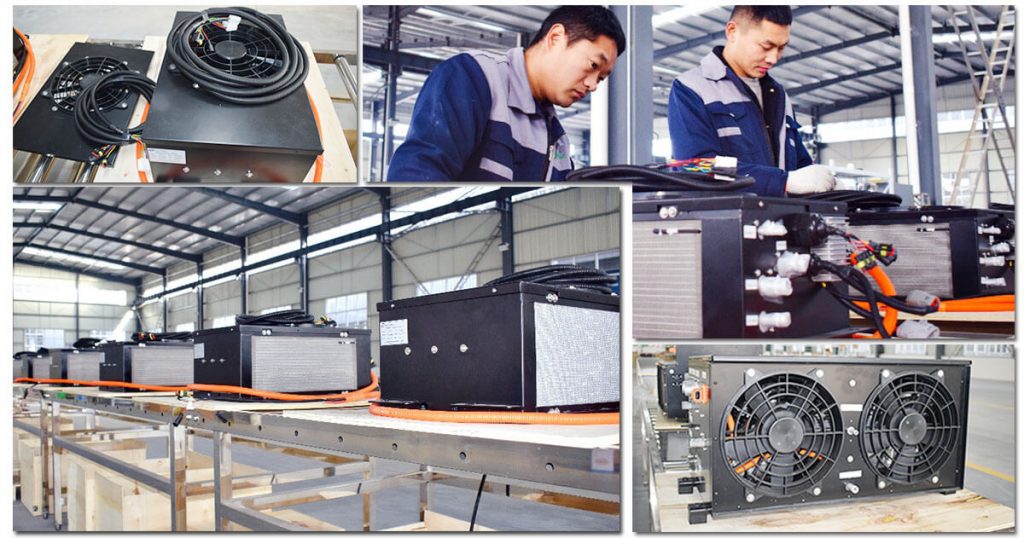
Sfide del BTMS per attrezzature pesanti in ambienti estremi
1. Alta temperatura: La temperatura della batteria può superare gli 85°C (PER ESEMPIO., nelle aree minerarie desertiche) durante l'esposizione continua alla luce solare o il funzionamento a carico elevato.
2. Elevate vibrazioni e urti: Quando si opera o si viaggia su terreni accidentati, le macchine edili sono soggette a vibrazioni fino a 20-50 Hz, rendendo i tradizionali tubi di raffreddamento a liquido soggetti ad allentamenti o perdite.
3. Ambienti altamente polverosi e corrosivi: La polvere della miniera può facilmente ostruire i canali di dissipazione del calore, e corrosione da nebbia salina (PER ESEMPIO., nelle operazioni costiere) possono corrodere i componenti metallici, degradazione delle prestazioni di isolamento.
4. Carica e scarica istantanea ad alta potenza: Quando i camion elettrici da miniera salgono su pendii o partono sotto carichi pesanti, le correnti istantanee possono raggiungere centinaia di ampere, generando decine di kilowatt di calore dalle batterie. I tradizionali sistemi di raffreddamento ad aria della batteria faticano a soddisfare questi requisiti.
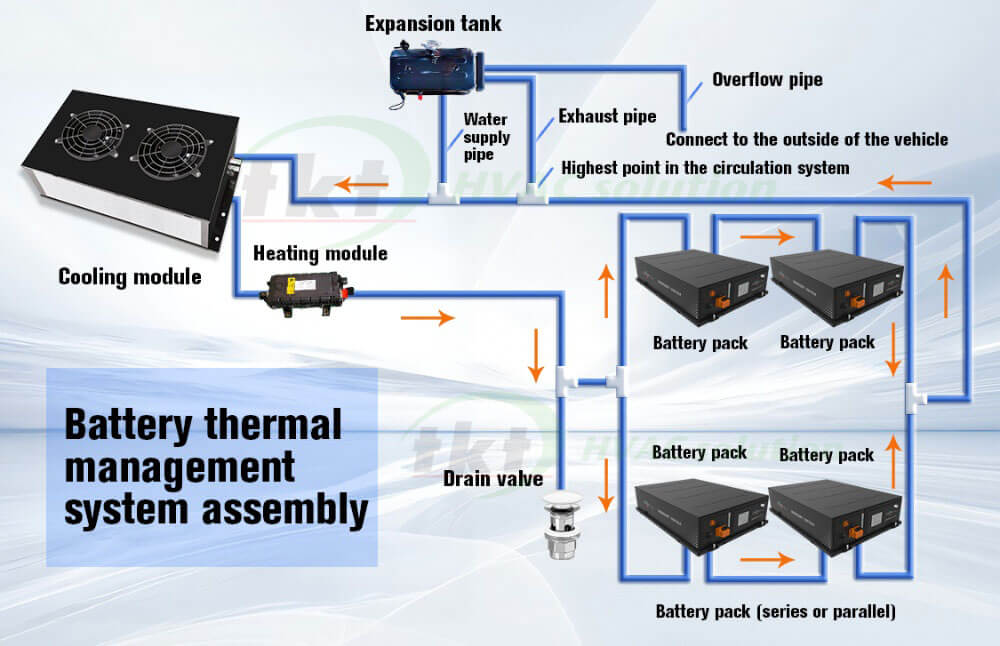

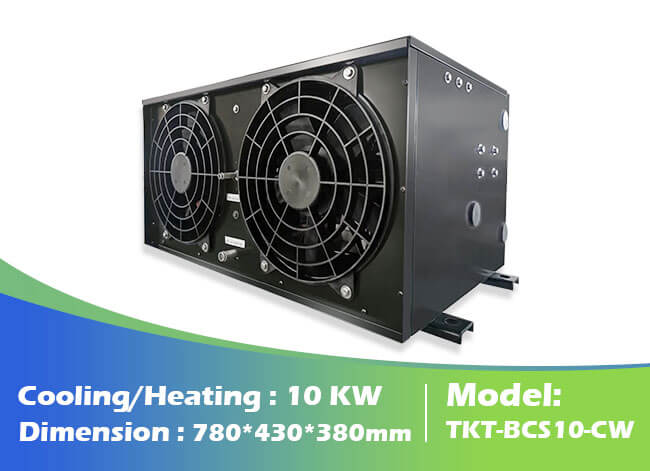
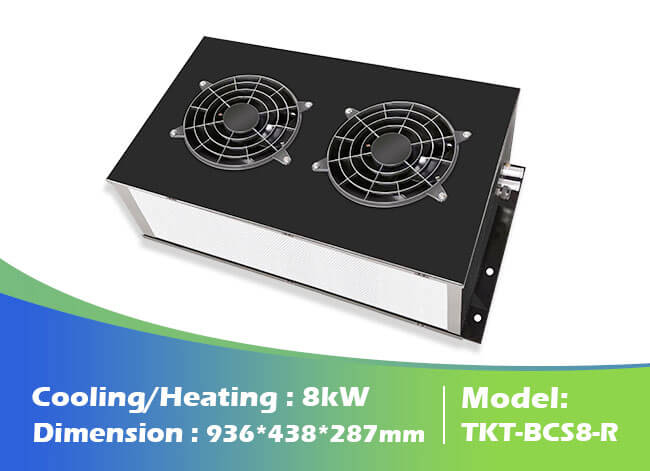
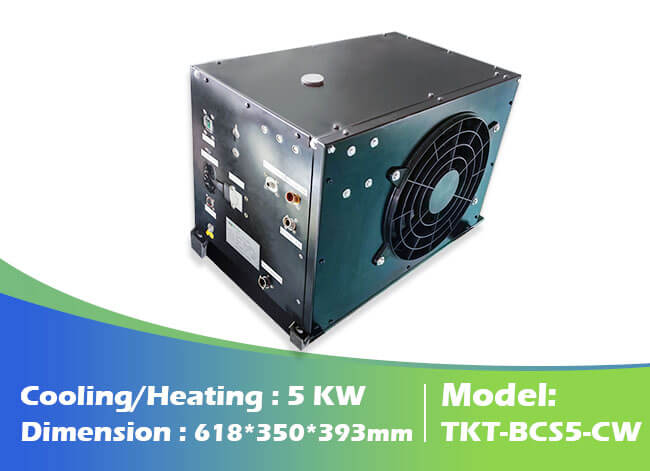
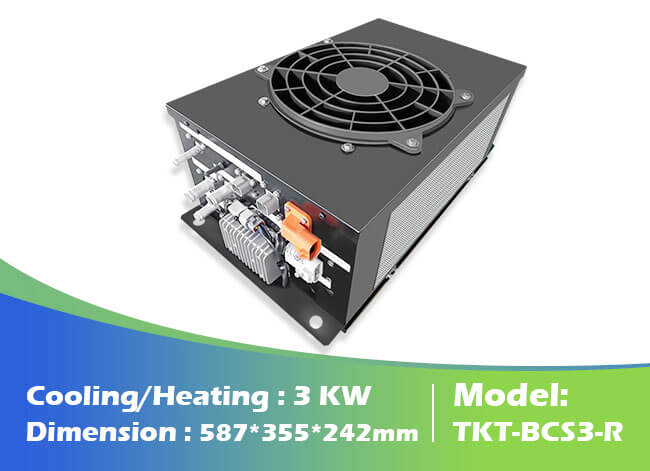
Specifiche BTMS per attrezzature pesanti elettriche TKT
|
Modello |
10CW |
8R |
5CW |
3R |
|
Capacità di raffreddamento |
10chilowatt |
8chilowatt |
5chilowatt |
3chilowatt |
|
Dimensioni standard |
780*430*380mm |
936*438*287mm |
620*350*414.5mm |
587*355*242mm |
|
Peso standard |
40kg |
40kg |
30kg |
25kg |
|
Direzione uscita aria |
Lato |
Superiore |
Lato |
Superiore |
Contattaci per ottenere il PDF BTMS
Progetti di cooperazione BTMS per attrezzature pesanti TKT
TKT è stata fondata nel 1998. Possediamo una vasta esperienza nella progettazione di sistemi di gestione termica della batteria e capacità di produzione. In 2018, abbiamo collaborato con TATA Motors, una fortuna 500 azienda, per sviluppare un BTMS personalizzato. Dopo aver subito numerosi cicli di test rigorosi, il nostro prodotto ha ricevuto riconoscimenti e elogi. Poco dopo, abbiamo avviato una seconda collaborazione con loro su a BTMS per camion elettrici.
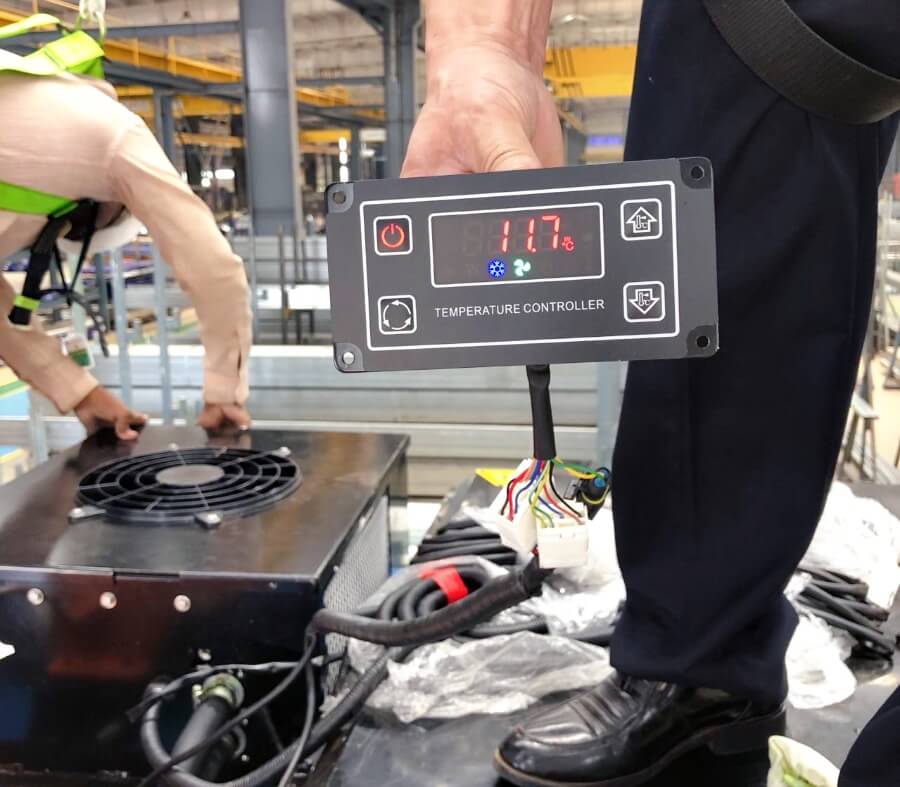
Fare clic per visualizzare altre immagini di casi di cooperazione