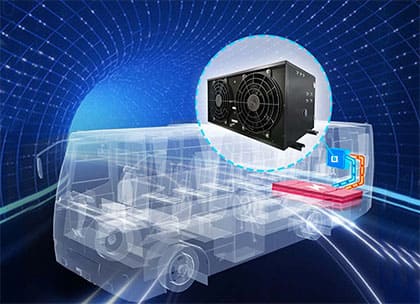
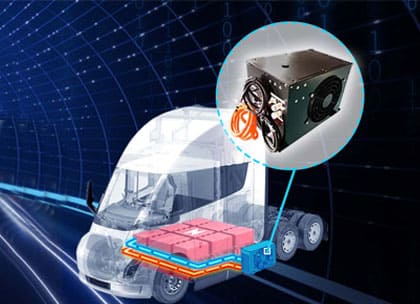
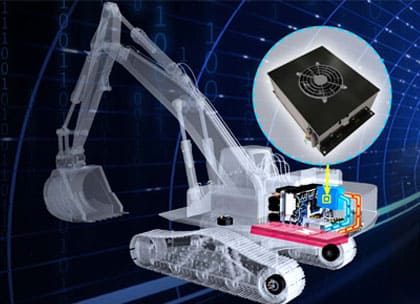
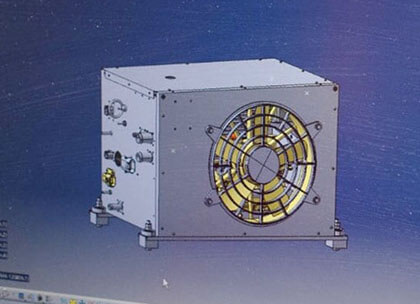
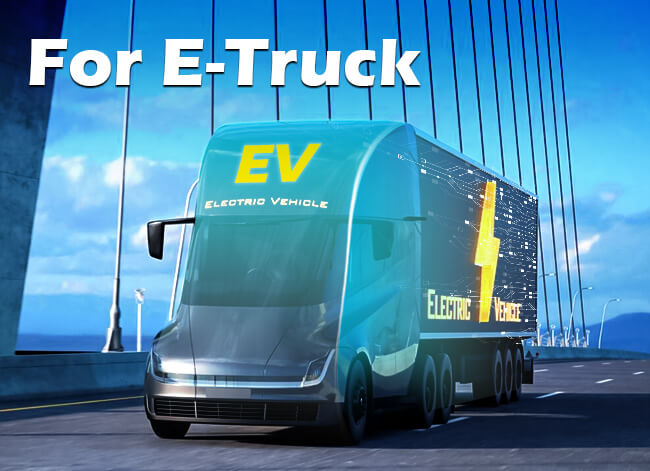
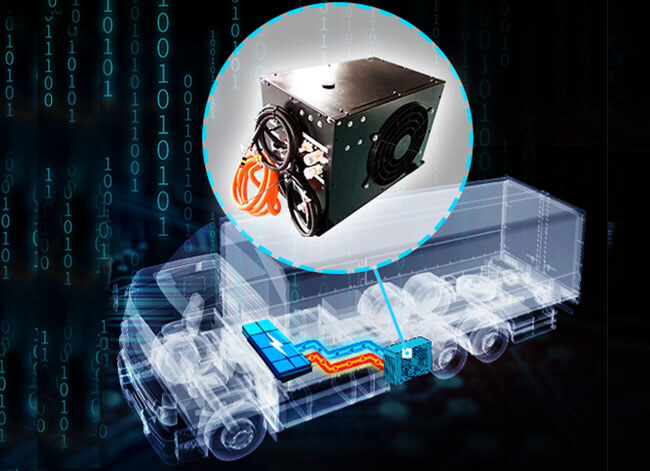
Appositamente progettato per camion elettrici BTMS, raffreddamento a liquido della batteria.
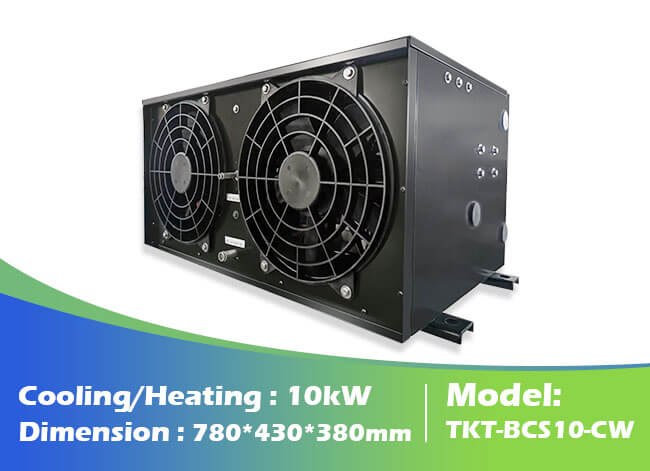
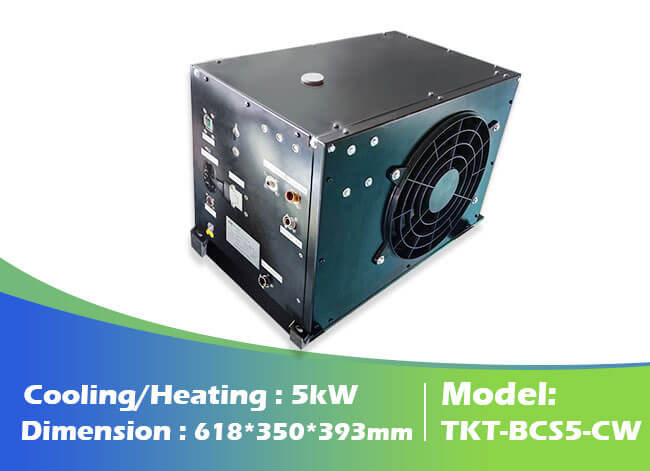
1. Capacità di raffreddamento: 10chilowatt / 5chilowatt
2. Intervallo di tensione: CC 220 V-750 V
3. Personalizzato: Riscaldamento / OEM / Dimensione
4. Vantaggi: 0.5 ℃ controllo preciso della temperatura. Collega e usa. Fortuna 500 fornitore.
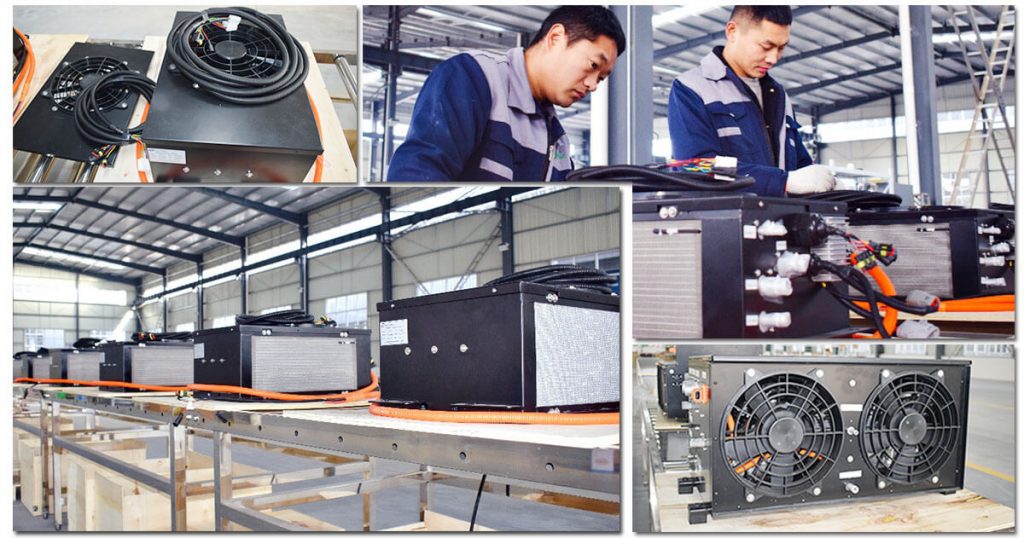
Electric truck BTMS stands for Battery Thermal Management System for electric trucks. It is a battery temperature control system designed specifically for electric trucks. This system cools or heats the battery pack to ensure it operates within the optimal temperature range, thereby improving performance, sicurezza, and lifespan.
Cooling Cycle Operating Principle: An electronic water pump drives coolant through the cooling plates or liquid cooling pipes within the battery pack, absorbing heat generated by the battery. The high-temperature coolant is then transported to a plate heat exchanger, where it undergoes heat exchange with the refrigerant. The cooled coolant is then recirculated back to the battery.
Purpose of the Cooling Cycle: To rapidly cool the battery during high-power charging or discharging, preventing overheating and thermal runaway.
Heating Mode Circulation Principle: The refrigeration circuit is shut off, and the PTC heater is activated to directly heat the coolant. The high-temperature coolant transfers heat to the battery pack via pipes, ensuring normal battery operation in low-temperature conditions.
Purpose of the heating mode cycle: To enhance battery chemical activity in low-temperature environments using PTC heating, preventing range degradation.
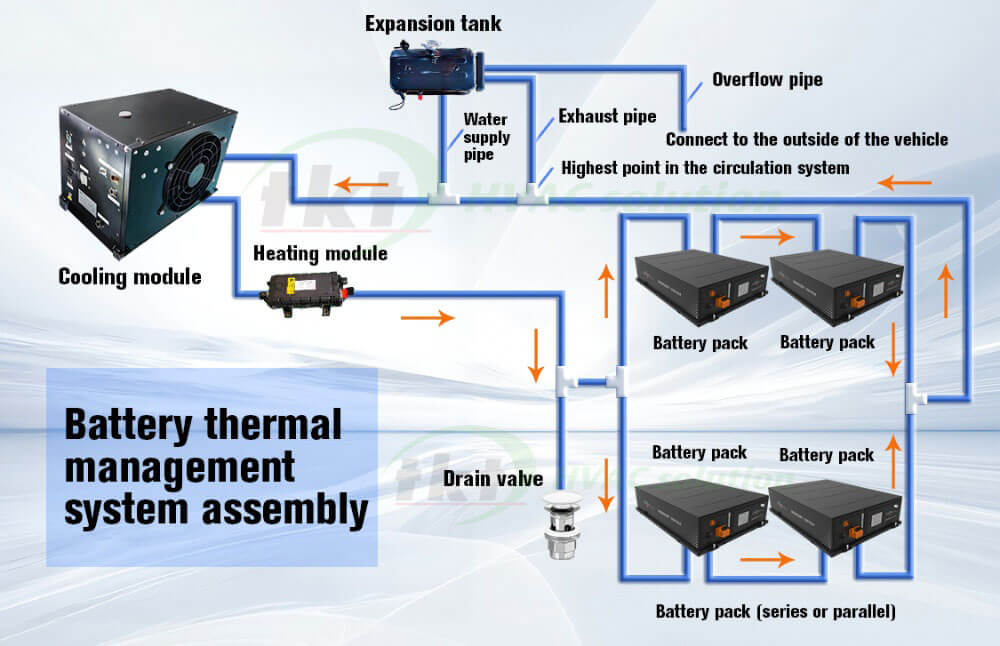
Principle of the temperature equalisation mode: Multiple temperature sensors continuously monitor the temperature of each cell within the battery pack. The control system dynamically adjusts the coolant flow rate and cooling/heating power to reduce temperature differences between cells.
Purpose of the temperature equalisation mode: To reduce temperature differences between battery cells, prevent local overheating or overcooling, and extend battery lifespan.

| Modello | 10CW | 5CW |
| Capacità di raffreddamento | 10chilowatt | 5chilowatt |
| Dimensioni standard | 780*430*380mm | 618*350*393mm |
| Peso standard | 40kg | 30kg |
| Direzione uscita aria | Lato | Lato |
Contattaci per ottenere il PDF BTMS
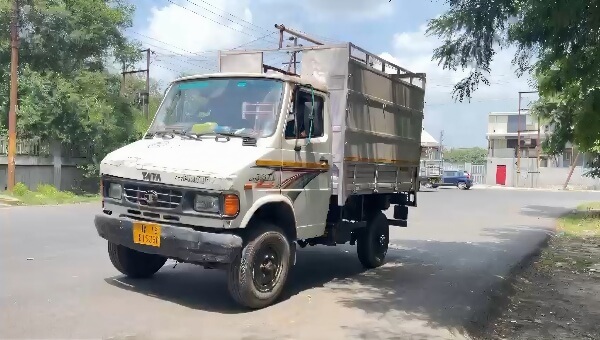
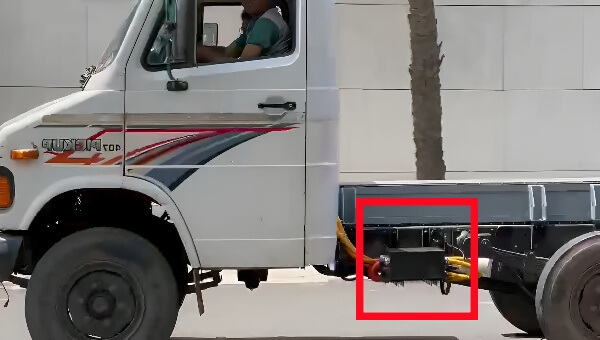
This marks the second collaboration following our initial partnership in 2018 for the electric bus BTMS project. This project focuses on the light-duty electric truck BTMS. It reflects the trust placed in us by TATA Motors, una fortuna globale 500 azienda, and serves as recognition of our design capabilities, qualità del prodotto, e supporto post-vendita.
Fare clic per visualizzare altre immagini di casi di cooperazione

Innanzitutto, the core objectives of these two BTMS systems are consistent. Both aim to ensure that lithium-ion batteries operate within their optimal temperature range to prevent thermal runaway, maximise battery performance, extend battery life, and maintain vehicle range.
1. Cooling capacity
Electric truck battery packs are massive, with capacities typically five to ten times larger than those of passenger vehicles. This results in significant total heat generation. Inoltre, heavy trucks require extremely high instantaneous power, such as during acceleration or hill climbing. Perciò, electric truck BTMS must be exceptionally well-designed to handle the extreme heat generated during heavy loads, high-speed driving, or rapid charging. The cooling system’s flow rate, heat exchange area, and radiator size all need to be significantly increased.
In contrasto, electric passenger vehicles have relatively smaller battery packs and lower power requirements. Tipicamente, a single cooling circuit or battery air cooling system is sufficient.
2. System Complexity and Cost
Electric truck BTMS have stringent cooling capacity requirements. The massive heat dissipation demands necessitate larger water pumps, compressors, heat exchangers, more coolant, and more complex piping. The system design complexity is higher, resulting in significantly higher costs compared to passenger vehicles.
Conventional electric vehicle systems are relatively simple, resulting in lower costs.
In sintesi, the BTMS for electric trucks is a more specialised solution designed to handle extreme thermal loads with stringent performance requirements. In contrasto, the BTMS for passenger vehicles focuses on providing thermal management performance that meets daily needs within limited space and cost constraints.
1. “Sistema di gestione termica della batteria per veicoli elettrici e durata della batteria” Clicca qui per vedere
2. “Analisi del sistema di raffreddamento della batteria per bus elettrici, Camion” Clicca qui per vedere
3. “Sistema di raffreddamento liquido a batteria - Come funziona?” Clicca qui per vedere
4. “Progetto BYD K9: Sistema di raffreddamento della batteria dei veicoli elettrici combinato con l'aria condizionata del bus” Clicca qui per vedere
5. “Batteria BTMS: Principio, Progetto, Installazione – TKT HVAC” Clicca qui per vedere
6. “Sistema di gestione termica della batteria per camion / Autobus ecc. – Fornito al top 500 TATA” Clicca qui per vedere
7. “Sistema di gestione termica della batteria per la mobilità degli switch – TKT” Clicca qui per vedere
8. “Sistema di gestione termica della batteria personalizzato (BTMS) – TKT HVAC” Clicca qui per vedere
9. “Come progettare la posizione di installazione del bus BTMS” Clicca qui per vedere
10. “Raffreddamento della batteria | Sistema di gestione termica della batteria – TKT” Clicca qui per vedere
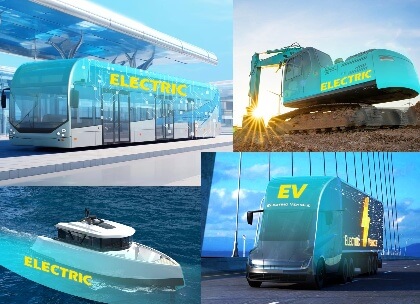
Fai clic per navigare Soluzioni BTMS per autobus elettrici
Fai clic per navigare Soluzioni BTMS per camion elettrici
Fai clic per navigare Soluzioni BTMS per attrezzature elettriche pesanti
Fai clic per navigare Soluzioni BTMS per la nautica elettrica
Fai clic per navigare Soluzioni BTMS personalizzate OEM
The electric three wheeler rickshaw has become the best choice for short-distance commuting in cities and rural areas.
This article mainly explains the importance and key points of EV charging station maintenance. Don’t miss it.
This article explores various battery pack thermal management methods and their importance in electric vehicles and other applications.