Heim Neues Patent für Bus-HLK-Systeme: Umfassende Verbesserung von Effizienz und Komfort
Unternehmens Nachrichten
Neues Patent für Bus-HLK-Systeme: Umfassende Verbesserung von Effizienz und Komfort
08
20,
2026
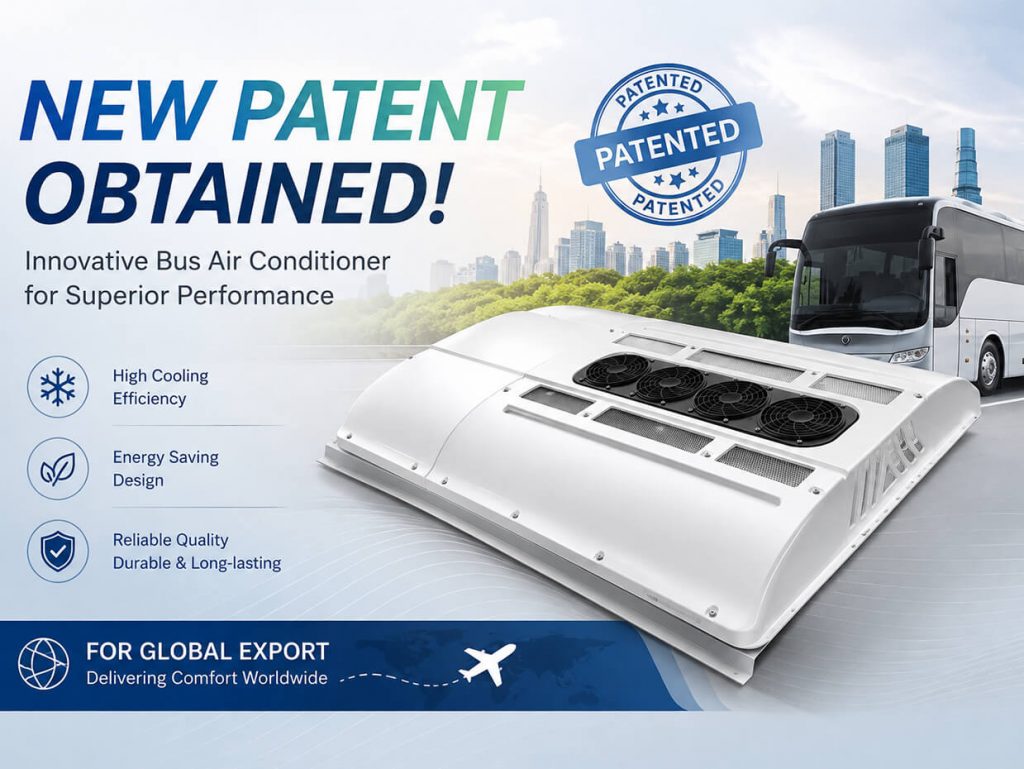
Da die Verbreitung neuer Energiebusse weiter zunimmt, ÖPNV-Betreiber auf der ganzen Welt reduzieren Emissionen und senken die Gesamtbetriebskosten, Daher ist jede Komponente von Bus-HLK-Systemen von entscheidender Bedeutung. Energieeffizienz, Intelligente Steuerung, Zuverlässigkeit, und Wartungsfreundlichkeit werden zu Schlüsselindikatoren bei der Kaufentscheidung globaler Bushersteller, Betreiber öffentlicher Verkehrsmittel, und Flotten. Letztes Jahr, Die TKT-Gruppe hat ein neues Patent für eine fortschrittliche Schutzabdeckungsstruktur erhalten, die speziell für Bus-HLK-Systeme entwickelt wurde. Diese patentierte Technologie übertrifft die Standards der Busklimatisierungsindustrie in drei Dimensionen: Energieeffizienz, Passagierkomfort, und Umweltleistung.
Kern des Patents
Hocheffiziente Synergie: Verdunstungsemissionseinheit und intelligente Steuereinheit
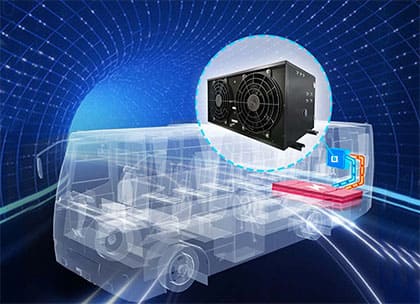
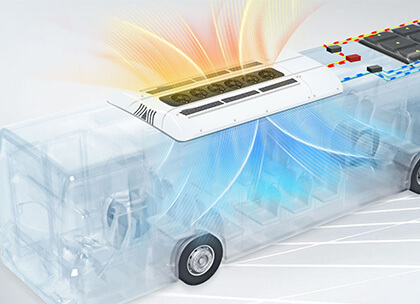
Der Kern dieses Patents liegt in der ausgeklügelten benachbarten Konfiguration der Verdunstungsemissionseinheitsbaugruppe und der intelligenten Steuereinheitsbaugruppe. Zusammen, Sie schaffen eine neue und effizientere Betriebsart der Klimaanlage.
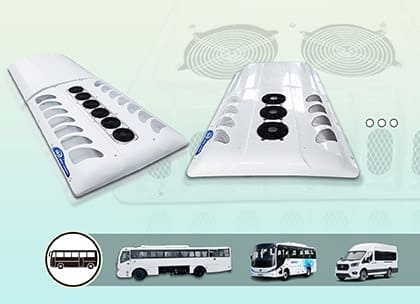
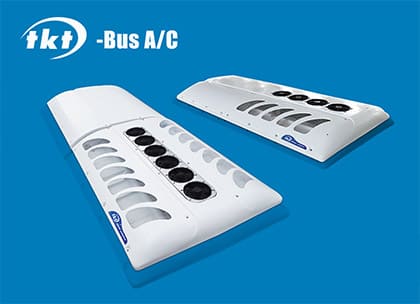
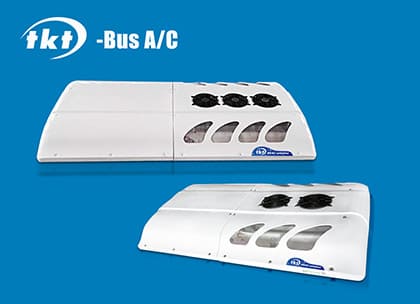
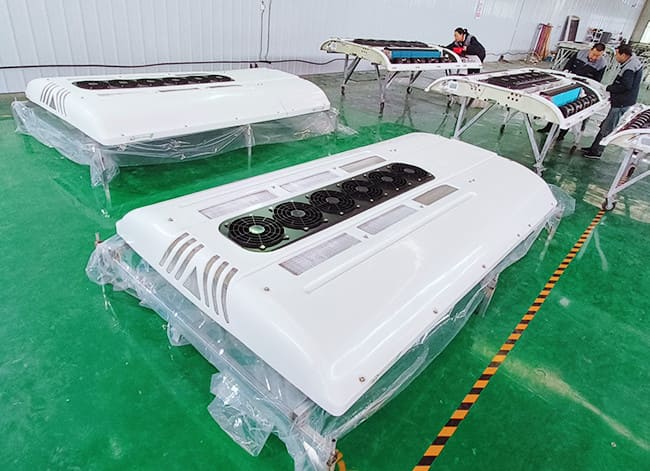
Speziell, Die Verdunstungsemissionseinheit ist auf jeder Seite mit einem ersten Luftauslass und einem zweiten Luftauslass ausgestattet, während das erhöhte Ende in der Mitte der Baugruppe einen hocheffizienten Verdampferventilator beherbergt. Diese konstruktive Gestaltung optimiert nicht nur die Luftströmung im Bus, sondern führt auch zu einer gleichmäßigeren Temperaturverteilung, Verringerung der durch lokale Temperaturunterschiede verursachten Beschwerden. Gleichzeitig, Das neue Design der Schutzhülle optimiert die Staubdichtigkeit umfassend, Abdichtung, Luftstromführung, und Lärmreduzierung, Wirksamer Schutz der wichtigsten elektrischen Komponenten. Dies verlängert die Lebensdauer des Verdampferventilators und der Steuereinheit, und verbessert gleichzeitig das Passagiererlebnis.
Anpassung nach Bedarf: Verbesserte Energieeffizienz
Das neue Design ermöglicht einen flexibleren Einsatz der Steuergerätebaugruppe. Das System kann die Betriebsart der Klimaanlage je nach Temperatur bedarfsgerecht anpassen, Feuchtigkeit, und Frischluftbedarf innerhalb und außerhalb des Busses, unnötigen Energieverbrauch effektiv reduzieren.
Speziell, wenn die äußeren Umgebungsbedingungen geeignet sind, Das System kann automatisch Außenluft einführen. Diese Änderung reduziert die Arbeitsbelastung des Kompressors, Dadurch wird die Energieeffizienz des Systems verbessert (EWR/COP). Für Bus- und Personenfernverkehrsunternehmen, Dies bedeutet einen geringeren Energieverbrauch pro 100 Kilometer und größere Reichweite. Für Fahrzeughersteller, Dies bedeutet eine bessere Effizienz der Systemintegration und eine höhere Wettbewerbsfähigkeit der Produkte.
Umweltfreundlich
Auch die Anforderungen des Umweltschutzes werden bei der Gestaltung umfassend berücksichtigt. Durch Reduzierung der Hochlastbetriebszeit des Kompressors, Die gesamten Kohlenstoffemissionen des Systems werden weiter reduziert. Dies steht im Einklang mit dem aktuellen globalen Trend in der Bus-Klimaanlagenindustrie hin zu kohlenstoffarmen Systemen, Grün, und intelligente Entwicklung.
Zusammenfassend, Das neue Patent schafft eine komfortablere Fahrumgebung für die Passagiere und gleicht gleichzeitig die Energieeffizienz und die Wartungskosten der Klimaanlage aus.
Wie Bus-HLK-Systeme funktionieren – Funktionsprinzipien
Eine typische Busklimaanlage erfüllt im Fahrgastraum drei Kernfunktionen: Kühlung, Entfeuchtung, und Luftfiltration. Sein Kühlkreislauf beruht auf dem koordinierten Betrieb der folgenden Schlüsselkomponenten:
1. Kompressor für Busklimaanlagen:
Die Kernkomponente der Busklimaanlage, Verantwortlich für die Zirkulation des Kältemittels unter hohem Druck und als Energiequelle für den Kreislauf. Elektrobusse verwenden elektrische Kompressoren mit variabler Frequenz, Ermöglicht eine präzise Lastanpassung. Herkömmliche Dieselbusse verwenden typischerweise motorbetriebene oder unabhängig angetriebene Kompressoren.
2. Kondensator:
Hohe Temperatur, Gasförmiges Kältemittel mit hohem Druck strömt in die Kondensatorspulen. Der Kondensatorventilator bläst mit Außenluft über die Spulen, Wärme schnell an die Luft abgeben, wodurch das Kältemittel in einen flüssigen Zustand kondensiert.
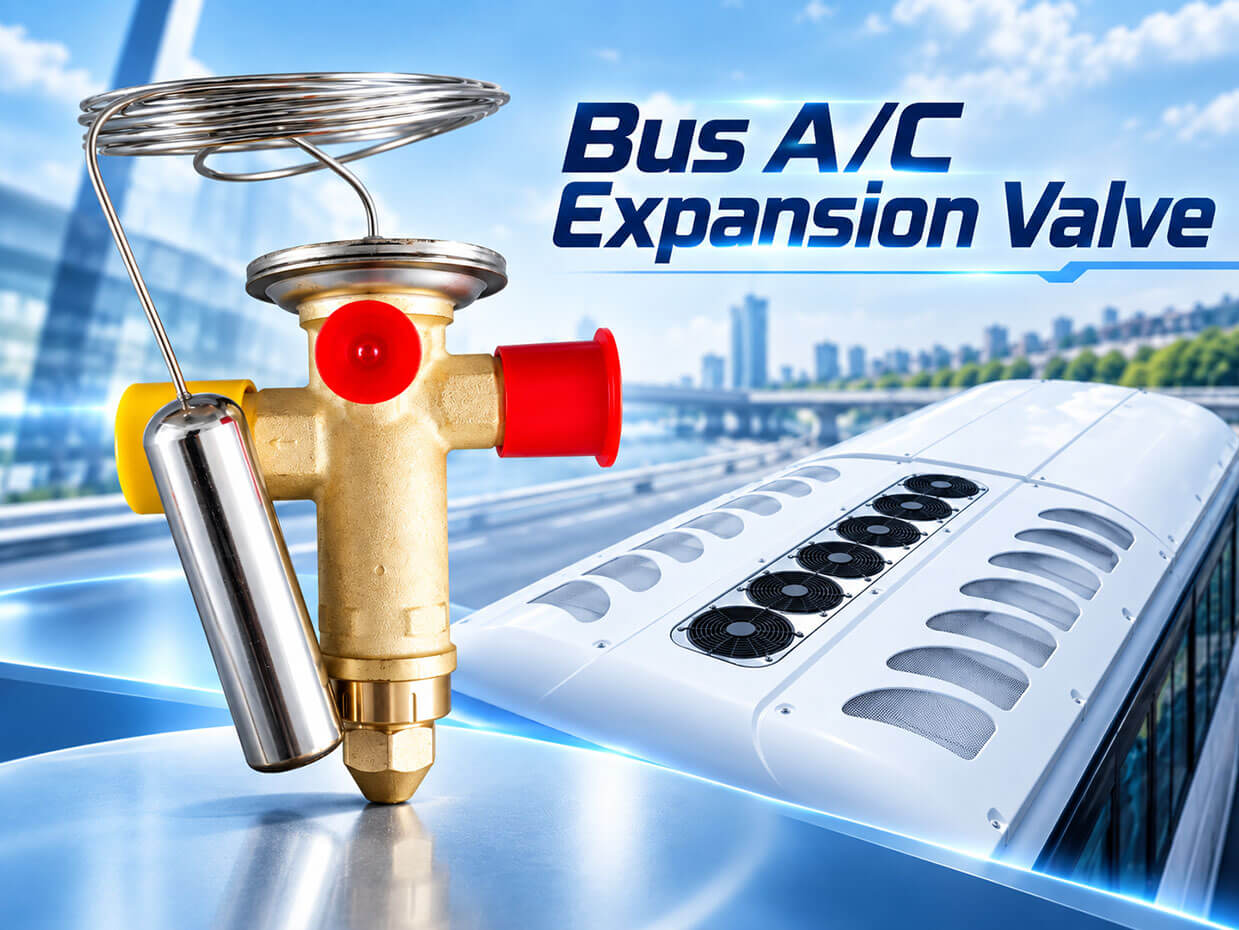
3. Trocknerfilter und Expansionsventil:
Das flüssige Kältemittel strömt durch den Trocknerfilter, um Feuchtigkeit und Verunreinigungen zu entfernen. Anschließend durchläuft es das Expansionsventil, um den Druck zu reduzieren, bevor es in den Verdampfer gelangt. Wenn Feuchtigkeit und Verunreinigungen nicht entfernt werden, Eisblockade, Schmutzblockade, und es kommt zu Säurekorrosion. Im Laufe der Zeit, Das System wird nicht in der Lage sein, stabil und effizient zu arbeiten.
4. Verdampfer:
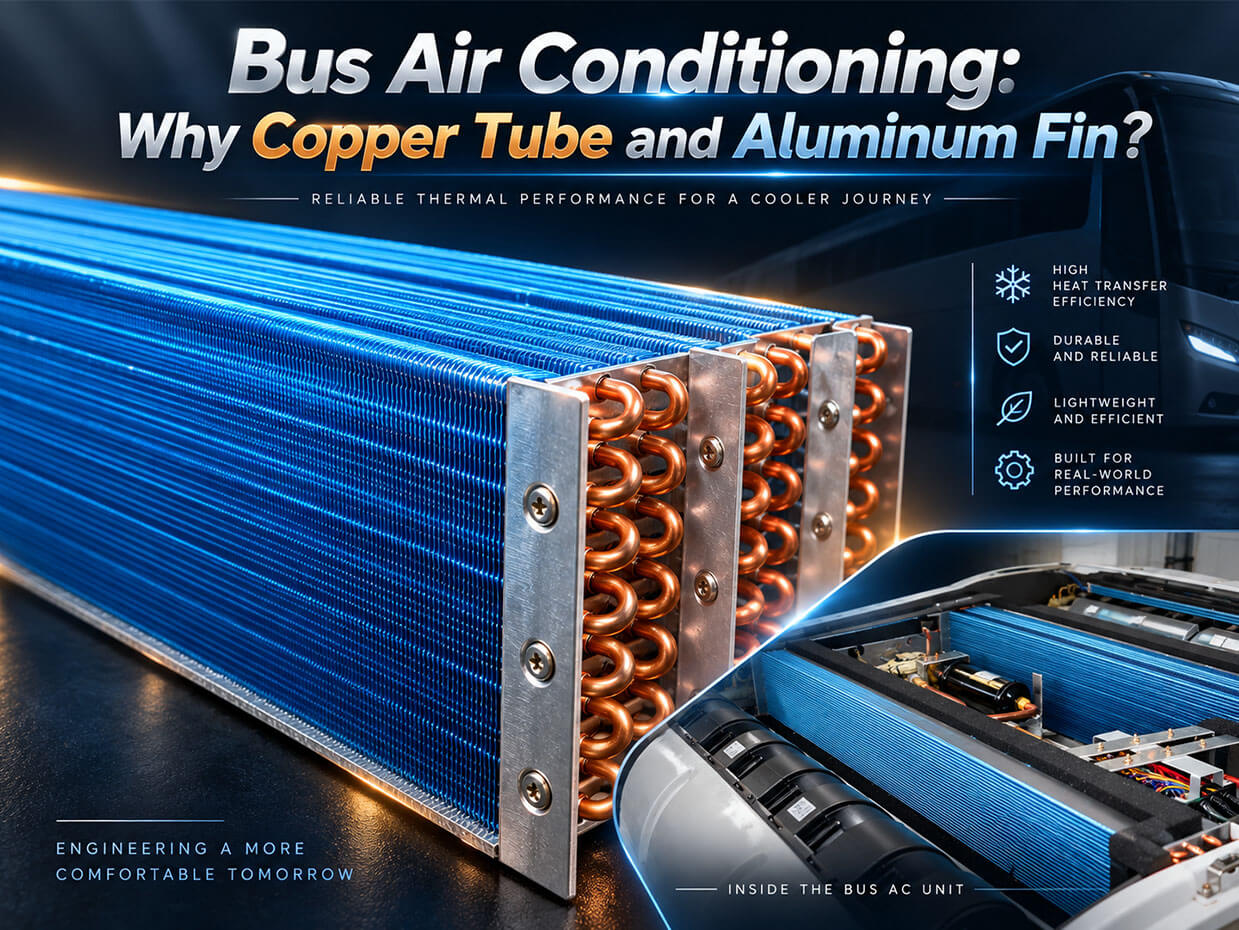
Flüssiges Kältemittel mit niedrigem Druck gelangt in die Verdampferschlangen und absorbiert Wärme, um zu verdampfen. Es nimmt Wärme aus der Luft im Bus auf. Das Kältemittel transportiert die Wärme ab, was zu einem erheblichen Abfall der Lufttemperatur führt. Wenn die Lufttemperatur sinkt, seine Fähigkeit, Wasserdampf zu speichern, nimmt ab, Dadurch kondensiert überschüssiger Wasserdampf zu kleinen Tröpfchen, die an der Verdampferoberfläche haften. Dieses Kondensat fließt an den Verdampferlamellen entlang zu einer Tropfschale darunter, und dann durch ein Abflussrohr zur Außenseite des Fahrzeugs.
5. Thermostat und Steuereinheit:
Der Thermostat erfasst sensibel die Temperaturdaten im Bus und sendet ein Signal, wenn Kühlung erforderlich ist. Die intelligente Steuereinheit steuert dann den gesamten Zyklus präzise auf Basis der Rückmeldungsdaten.
Bus-HLK-Systemtypen
1. Typ mit Hilfsmotorantrieb: Ein unabhängiger Hilfsmotor treibt den Kompressor an, geeignet für mittel- und Fernreisebusse.
2. Typ mit Hauptmotorantrieb: Angetrieben durch eine riemengebundene Kurbelwelle, häufig in Stadtbussen und Kleinbussen zu finden.
3. Elektrisch angetriebener Typ: Angetrieben durch die Batterie des Fahrzeugs, Standardkonfiguration für reine Elektro- und Wasserstoff-Brennstoffzellenbusse.
Das neue patentierte Design von TKT ist mit mehreren der oben genannten Produkttypen kompatibel. Anfragen sind willkommen.
Deckt alle Fahrzeugtypen ab: Von Stadtbussen bis hin zu Elektrobussen
Die allgemeinen Anforderungen an Klimalösungen für Busse sind bei verschiedenen Fahrzeugtypen ähnlich, Es gibt immer noch einige einzigartige Bedürfnisse. TKT, als erfahrener Hersteller von Bus-HLK-Systemen, bietet eine umfassende Produktpalette für verschiedene Szenarien.
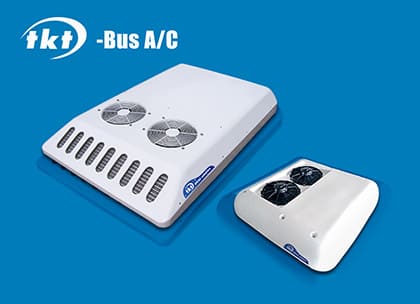
1. Stadtbusse AC: Häufiges Öffnen und Schließen der Tür, hohe Passagierfluktuation, usw., erfordern Systeme, die die Innentemperatur des Busses schnell abkühlen und wiederherstellen können und gleichzeitig die Energieeffizienz und Betriebszeit maximieren.
2. Reise- und Fernbusse AC: Langstreckenreisen erfordern eine stabile Kühlung, Niedriges Geräusch, und zuverlässige Leistung über Tausende von Betriebsstunden hinweg.
3. Schulbusse AC: Die Sicherheit der Passagiere steht an erster Stelle. Ein Flachdach bietet besseren Schutz für Schulbusse. Auch Gesundheit und Sicherheit haben oberste Priorität.
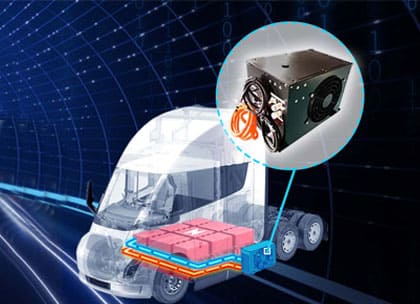
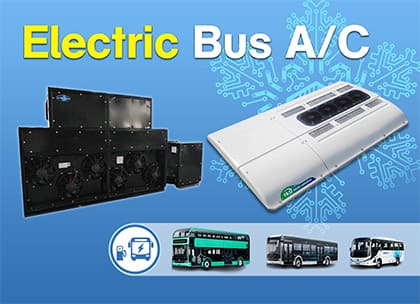
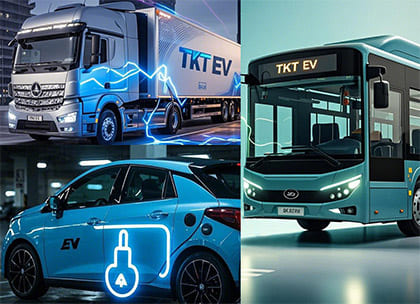
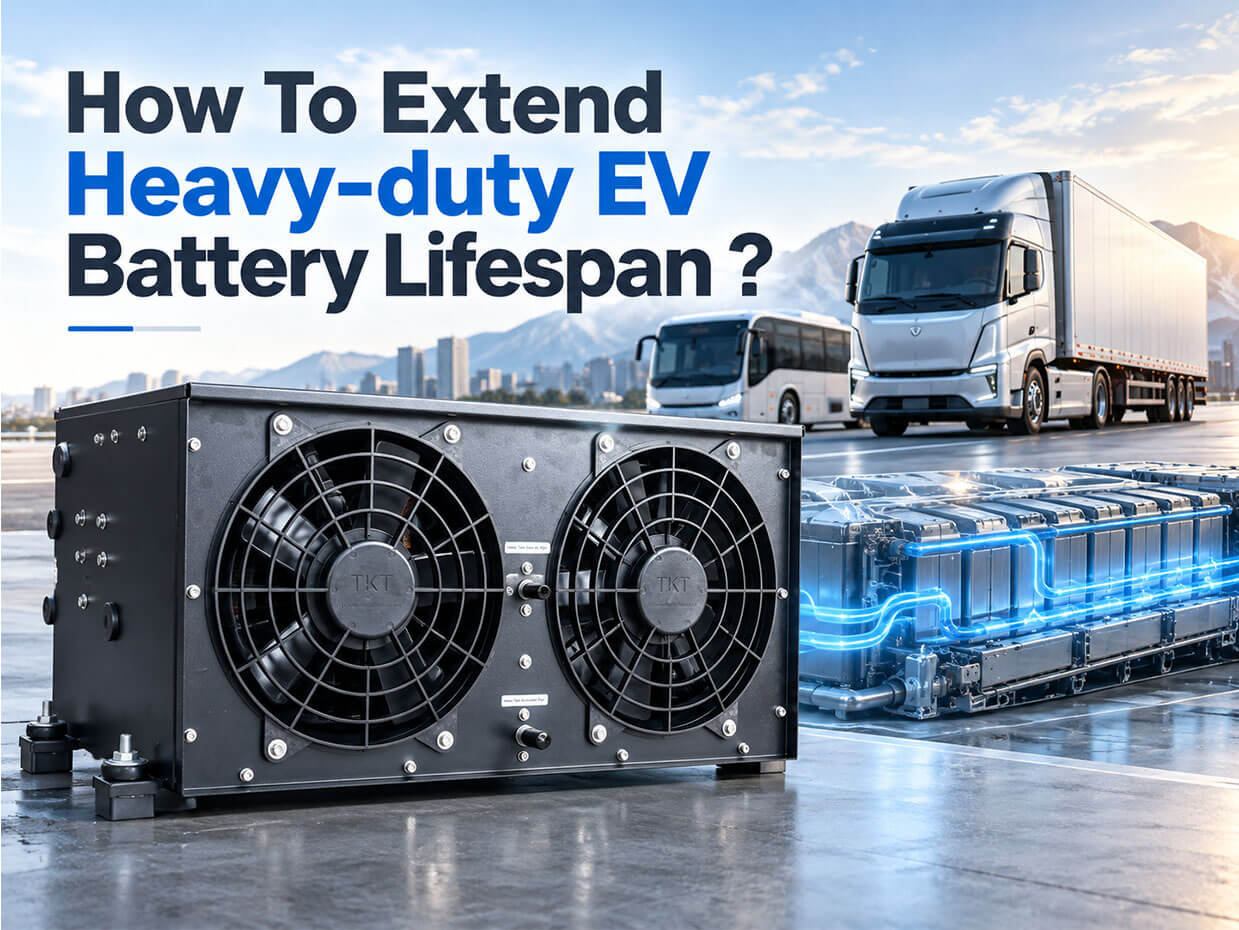
4. Elektrobusse AC: Emissionsfreie Antriebsstränge stellen eine Herausforderung für das Batterie-Wärmemanagement dar. Bus-HLK-Systeme müssen äußerst effizient sein, um die Batteriereichweite zu erhöhen. Neue Elektrobusse verfügen typischerweise über eine integrierte Klimaanlage und Thermalmanagementsysteme der Batterie (BTMS) um sicherzustellen, dass sich die Batteriezellen und Fahrgastbereiche im optimalen Temperaturbereich befinden.
TKT-Gruppe: Ein vertrauenswürdiger Hersteller von Bus-HLK-Systemen
TKT bietet globalen B2B-Kunden Dienstleistungen aus einer Hand, inklusive Lösungsdesign, Massenproduktion, schnelle Lieferung, und technischer Kundendienst. Diese neue patentierte Technologie wird alle Bus-HLK-Systeme von TKT aufrüsten. Es hilft Busherstellern und -betreibern, ihre zentrale Wettbewerbsfähigkeit weiter zu verbessern, Reduzieren Sie die Wartungshäufigkeit, und die Fahrzeugverfügbarkeit verbessern.
Auf dem hart umkämpften Markt für Bus-HLK-Systeme, Zu den Hauptvorteilen von TKT gehören::
1. OEM/ODM- und Anpassungsmöglichkeiten: TKT bietet komplette OEM-Produkte an, ODM, und kundenspezifische Lösungen, Wir arbeiten eng mit Busherstellern und Karosseriewerkstätten zusammen, um Klimaanlagen nahtlos in die Produktionslinie zu integrieren.
3. Bewährte Zuverlässigkeit: TKT ist ein designierter Lieferant für Fortune 500 Unternehmen TATA und BYD, und seine Produktqualität wurde von Marken getestet und im Laufe der Zeit bewiesen. Zweitens, Der modulare Aufbau und die leicht zugänglichen Komponenten machen die routinemäßige Wartung schneller und wirtschaftlicher, Reduzierung der Ausfallzeiten von Fahrzeugen. Dies ist auch eine Priorität, die Flottendienstleister weltweit betonen.
4. Umweltengagement: Die Markenphilosophie von TKT lautet "Genießen Sie das erfrischende Gefühl und tragen Sie gleichzeitig zum Umweltschutz bei." Diese Philosophie durchdringt jedes Produkt, von Niedrigenergie-Elektrokompressoren bis hin zur Auswahl umweltfreundlicher Kältemittel.
Zukunftsausblick
Die TKT Group wird ihr Engagement in der Forschung und Entwicklung der Busklimatisierungstechnologie fortsetzen. Unser Ziel ist es, weitere Patentdurchbrüche zu erzielen, Den öffentlichen Nahverkehr umweltfreundlicher gestalten, sicherer, und weltweit komfortabler. Für Bushersteller, Flottenbetreiber, und Verkehrsbetriebe, die zuverlässige und innovative HVAC-Partner suchen, Die TKT Group ist bereit, maßgeschneiderte Angebote zu liefern, leistungsstarke Lösungen.
Bereit für die Aufrüstung der Bus-HLK-Systeme Ihrer Flotte? Kontaktieren Sie noch heute die TKT Group, um mehr über unsere patentierten Produkte zu erfahren, energieeffiziente Klimatisierungslösungen. Und fordern Sie ein individuelles Angebot für Ihren Betrieb an.
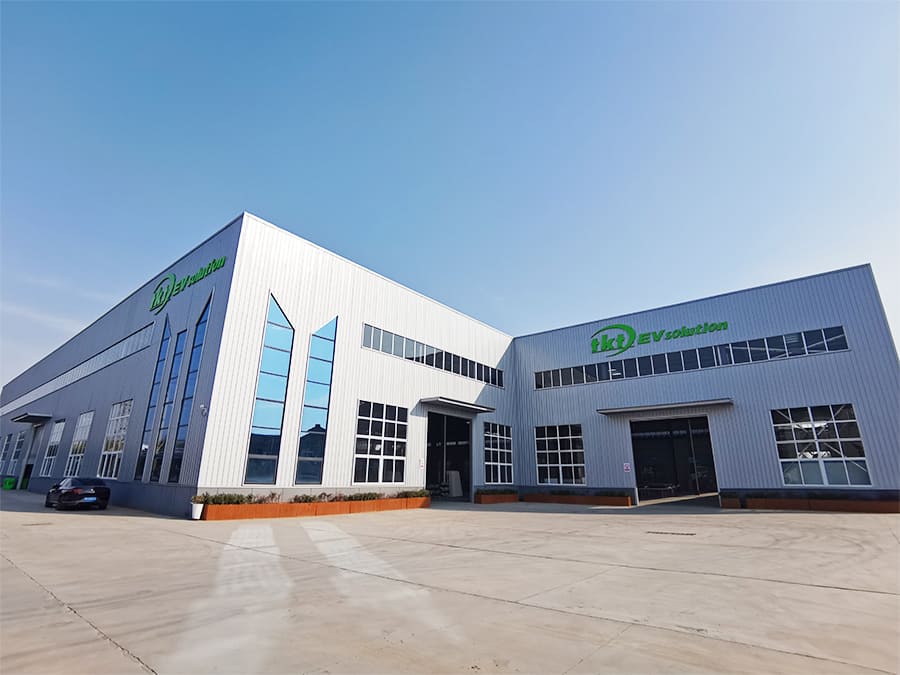
Glaubwürdiger chinesischer Hersteller, der sich auf Thermalmanagementsysteme für Batterie spezialisiert hat (BTMS), Busklimaanlagen, Truck & RV A/C, und Ladegeräte für Elektrofahrzeuge.