Casa Tecnologia del refrigeratore a batteria: Soluzioni e Tendenze Personalizzate
Notizie aziendali
Tecnologia del refrigeratore a batteria: Soluzioni e Tendenze Personalizzate
08
12,
2026
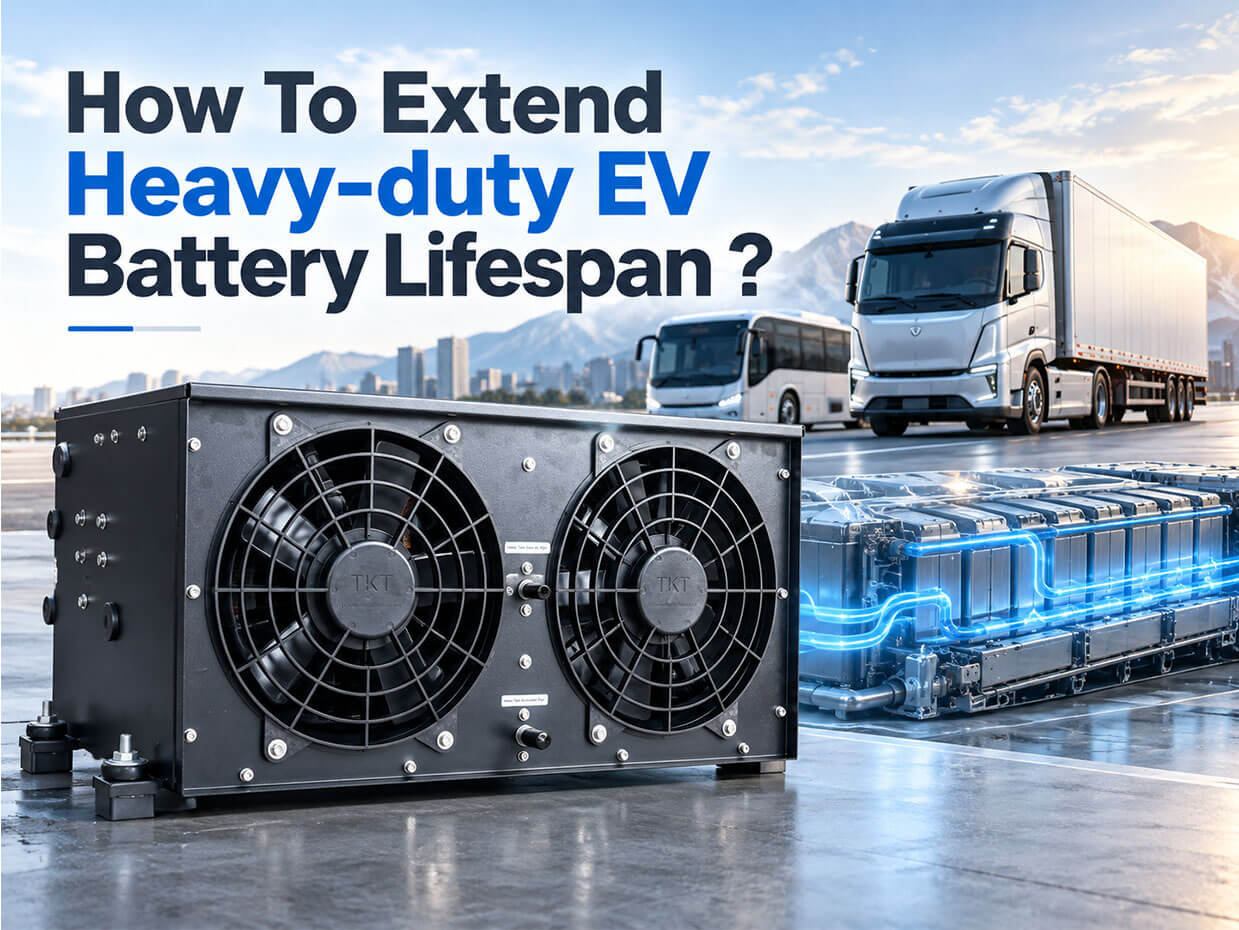
Con veicolo elettrico (EV) la tecnologia si evolve a un ritmo senza precedenti, i refrigeratori a batteria sono diventati un componente fondamentale per garantire la sicurezza delle batterie, prolungamento della durata della vita, e ottenere prestazioni ottimali. Questo articolo fornisce una panoramica completa della tecnologia dei refrigeratori per batterie dei veicoli elettrici, che coprono le definizioni principali dei refrigeratori a batteria, la necessità di controllare la temperatura della batteria, e i principi di funzionamento dei sistemi di gestione termica dei veicoli elettrici. Condivideremo anche alcuni casi di studio reali degli OEM, presentando soluzioni personalizzate per il posizionamento dei componenti esterni. Finalmente, a partire dal. presenteremo le ultime tendenze nella gestione termica delle batterie dei veicoli elettrici 2026. Che tu sia un ingegnere o un esperto di acquisti, questa guida tecnica ai refrigeratori di raffreddamento a batteria è altamente raccomandata. Ti aiuterà a comprendere e selezionare meglio la giusta soluzione di raffreddamento della batteria.
Cos'è un refrigeratore a batteria?
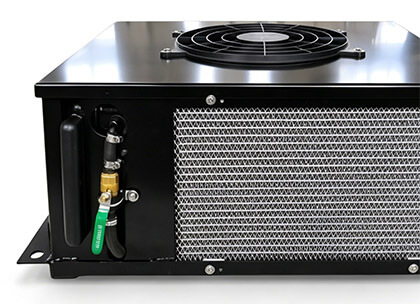
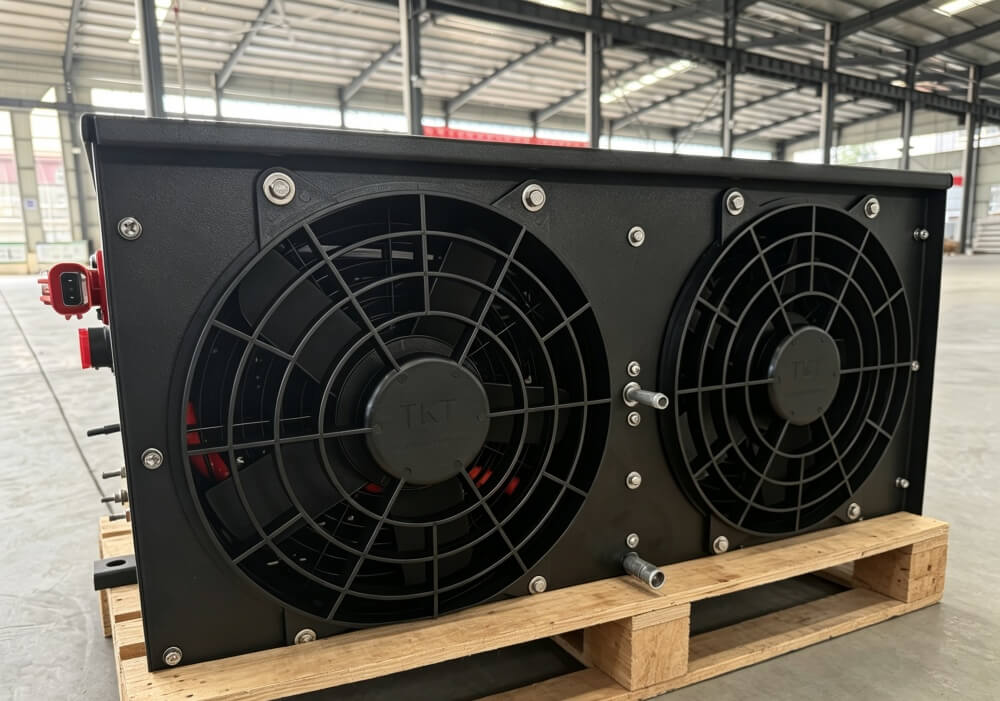
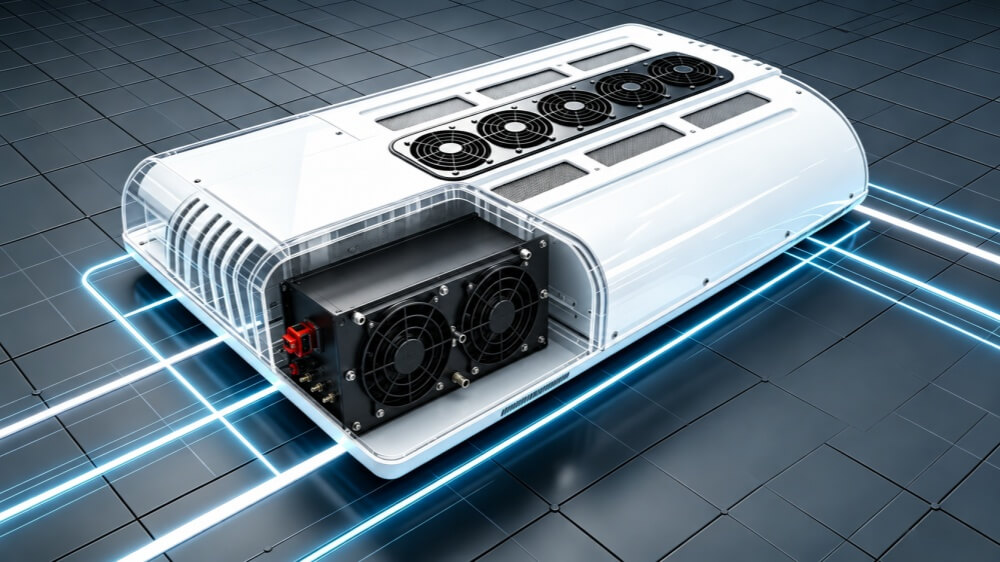
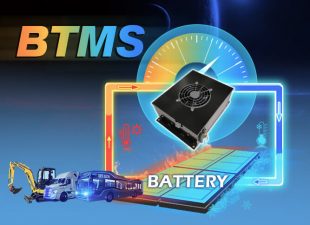
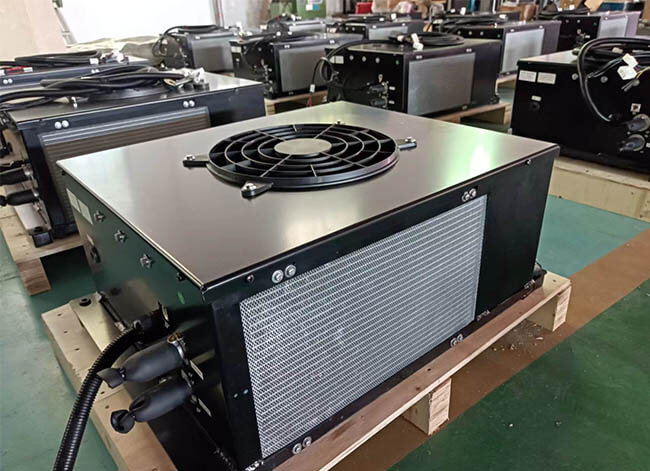
Un refrigeratore a batteria, spesso indicato come refrigeratore per batterie per veicoli elettrici o sistema di gestione termica della batteria(BTMS). È uno scambiatore di calore specializzato che funge da componente di raffreddamento principale di un veicolo elettrico's sistema termico. A differenza dei refrigeratori industriali per uso generale, I refrigeratori per batterie per veicoli elettrici sono progettati per un'affidabilità di livello automobilistico, confezione compatta, e controllo preciso della temperatura. Solitamente mantenere la temperatura delle singole celle della batteria entro un intervallo ottimale compreso tra 25 e 45°C. Come complemento alla gestione termica passiva, fornisce un raffreddamento attivo, raffreddamento automatico e forzato della batteria quando la temperatura ambiente o la dissipazione del calore supera la sua naturale capacità di raffreddamento. È la soluzione preferita per condizioni operative complesse come la ricarica ad alta potenza e la scarica ad alta velocità. Perciò, è diventata un'importante soluzione di gestione termica dei veicoli elettrici per gli attuali veicoli elettrici pesanti.
Fa raffreddare le batterie?
Naturalmente, l’importanza dei sistemi di raffreddamento delle batterie nei moderni veicoli elettrici non può essere sopravvalutata. Il degrado delle prestazioni delle batterie agli ioni di litio accelera quando le temperature di esercizio superano i 40°C. Per ogni 10°C di aumento della temperatura, la durata del ciclo della batteria diminuisce di circa 50%. Inoltre, quando la temperatura supera i 60°C, il rischio di fuga termica aumenta in modo significativo, potenzialmente portare a incidenti di sicurezza come gli incendi. In ambienti a bassa temperatura (sotto 0°C), la resistenza interna aumenta notevolmente, l'efficienza di carica-scarica diminuisce di oltre 30%, e l'autonomia del veicolo viene drasticamente ridotta.
Un raffreddamento efficace tramite un refrigeratore per batterie per veicoli elettrici aiuta a preservare la capacità della batteria, mantenere tassi di carica-scarica stabili, e prevenire il degrado delle prestazioni durante la ricarica rapida o l'uscita ad alta potenza. Questi sistemi non solo raffreddano attivamente la batteria in condizioni di alta temperatura, ma funzionano anche in combinazione con moduli di riscaldamento. Quando fa freddo, preriscaldano la batteria, prolungando così la durata della batteria di oltre 30% e limitare la perdita di portata invernale a meno di 10%.
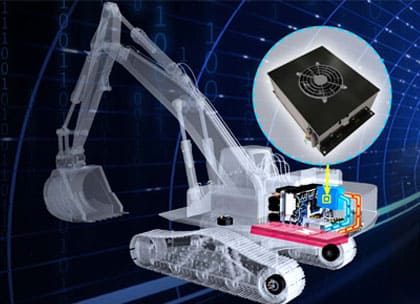
A causa del loro peso sostanziale e dei requisiti di carico pesante, le apparecchiature elettriche per carichi pesanti richiedono un'elevata potenza durante il funzionamento, generare correnti istantanee e livelli di potenza significativi. Di conseguenza, queste macchine sono dotate di batterie ad alta capacità. Si tratta di garantire l'efficienza operativa, La ricarica rapida CC è essenziale. Altrimenti, i tempi di ricarica sarebbero proibitivi. Poiché la ricarica rapida CC comporta alta tensione e corrente, genera un notevole calore. In sintesi, un raffreddamento efficace della batteria è fondamentale per le apparecchiature elettriche pesanti durante le operazioni di carica e scarica.
Senza BTMS
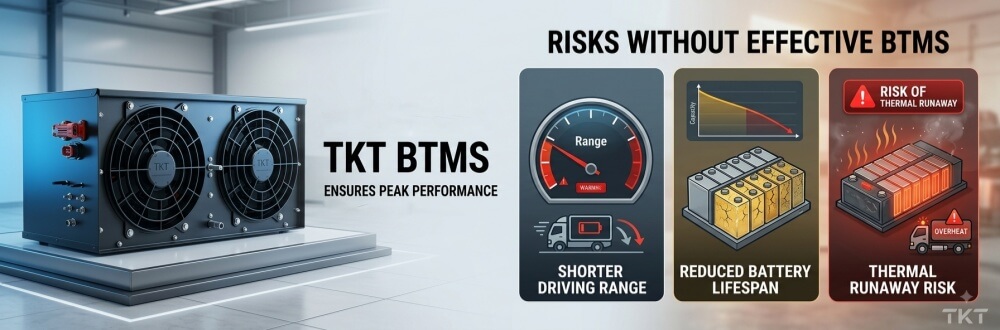
Cosa succede senza un sistema di raffreddamento della batteria del veicolo elettrico? Tipicamente, le velocità di ricarica devono essere ridotte per proteggere la batteria, estendendo potenzialmente il tempo necessario per una ricarica completa a diversi giorni. Durante il funzionamento, il veicolo potrebbe avere difficoltà a salire su pendii ripidi o subire perdite di potenza e stallo. Se la protezione della batteria fallisce e il calore continua ad accumularsi, potrebbe verificarsi una fuga termica, con conseguente potenziale distruzione sia del veicolo che del suo carico in un incendio.
Come funziona un refrigeratore in un sistema di batterie per veicoli elettrici? Come raffreddare una batteria?
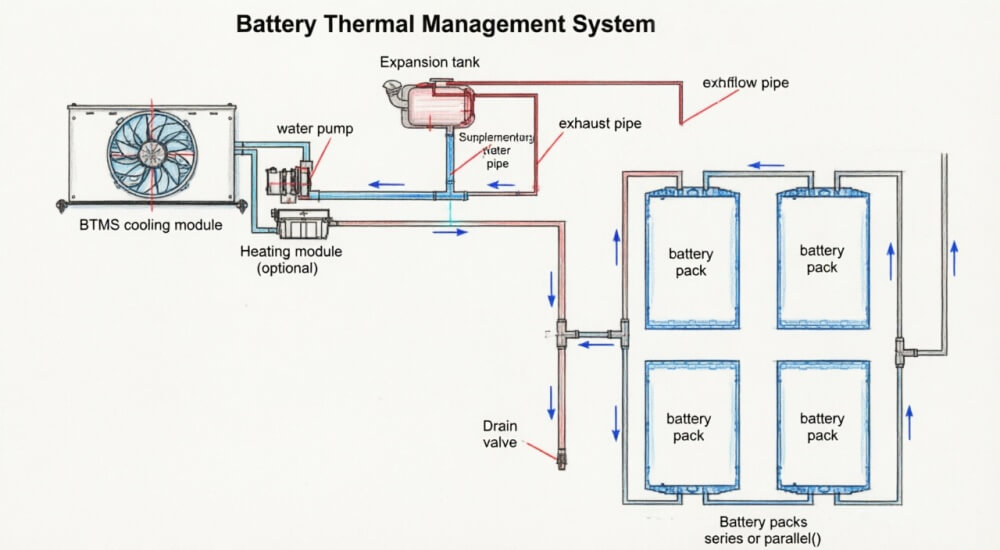
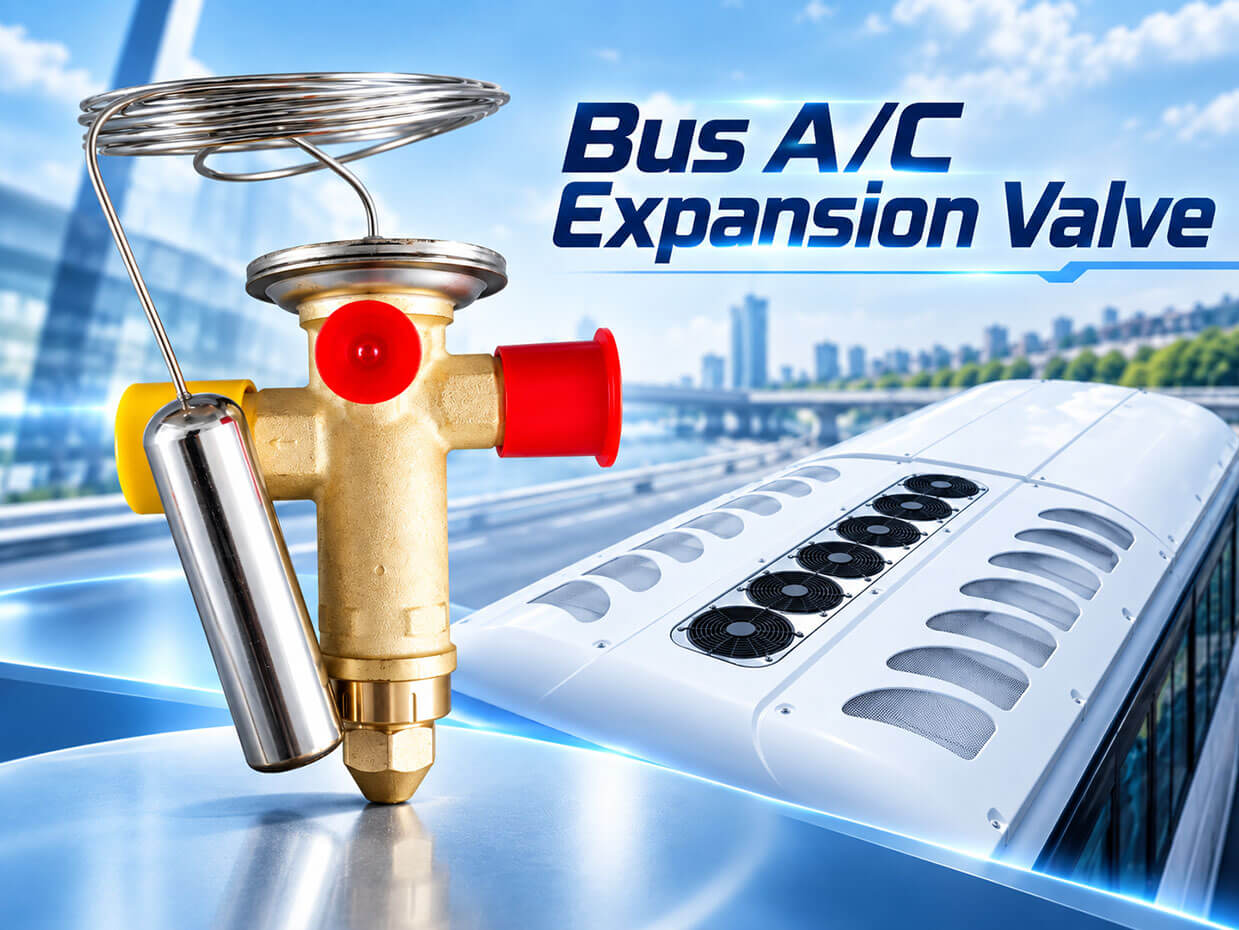
Negli attuali sistemi di raffreddamento delle batterie dei veicoli elettrici tradizionali, un liquido refrigerante glicole etilenico-acqua circola attraverso le piastre di raffreddamento collegate ai moduli batteria per facilitare lo scambio termico. Nello specifico, quando il sistema di gestione della batteria (BMS) rileva che la temperatura della batteria ha superato una soglia preimpostata, il refrigeratore di raffreddamento della batteria attiva il suo compressore. Alta temperatura, il refrigerante ad alta pressione rilascia calore nel condensatore e si trasforma in uno a bassa temperatura, liquido ad alta pressione. Passa quindi attraverso una valvola di espansione, dove subisce strozzature e cadute di pressione, conversione in bassa temperatura, miscela gas-liquido a bassa pressione. Successivamente, il refrigerante entra nell'evaporatore per scambiare calore con il circuito di raffreddamento della batteria. Una volta raffreddato ad una temperatura di 5–15°C, il liquido refrigerante scorre nelle piastre di raffreddamento delle batterie per rimuovere il calore generato dalle batterie; questo ciclo continuo permette la regolazione dinamica della temperatura della batteria.
Per raffreddare efficacemente la batteria, questo sistema si basa sul controllo coordinato tra i BMS, il controller del refrigeratore, e la pompa dell'acqua. I sensori di temperatura situati in vari punti all'interno del pacco batteria forniscono feedback in tempo reale, consentendo al refrigeratore a batteria avanzato di regolare dinamicamente la velocità del compressore e il flusso del refrigerante. Questo approccio garantisce che la batteria funzioni entro il suo intervallo di temperatura ottimale e allo stesso tempo risparmi energia.
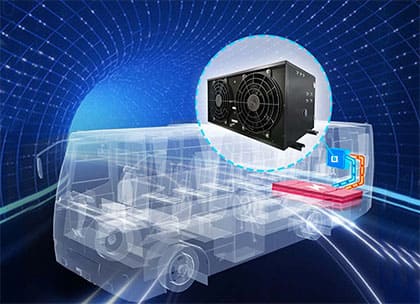
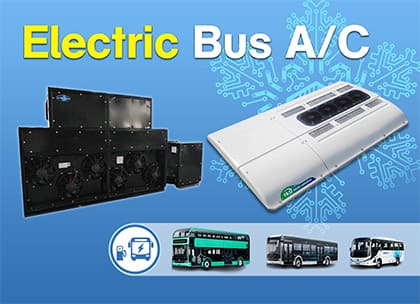
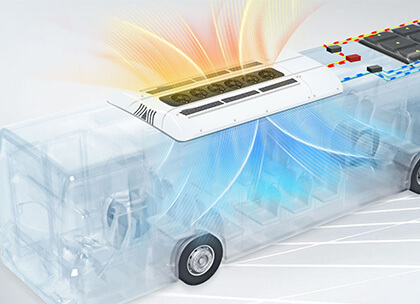
Per gli autobus elettrici, TKT ha inoltre progettato un sistema integrato che combina il refrigeratore a batteria con il sistema HVAC dell'autobus. L'intero sistema condivide un circuito frigorifero, riducendo sia il numero di componenti che le dimensioni complessive del pacchetto. Questa strategia di integrazione offre sia vantaggi che compromessi. Invitiamo le parti interessate a discutere i dettagli con il nostro team tecnico in modo da poter fornire la soluzione più adatta alle vostre esigenze.
Caso di studio del refrigeratore a batteria OEM TKT: Personalizzazione dei componenti esterni (Pompe dell'acqua, Compressori, eccetera.)
TKT è un produttore cinese di sistemi di gestione termica delle batterie (BTMS) al servizio dei produttori di veicoli elettrici in tutto il mondo. Riconosciamo che i refrigeratori per batterie per veicoli elettrici standard raramente si adattano perfettamente a ogni piattaforma di veicolo. Le nostre soluzioni di personalizzazione OEM sono progettate per soddisfare diverse esigenze, requisiti specifici. Questo articolo descrive due casi di studio con configurazioni di componenti esterni. Diamo un'alta priorità alla privacy del cliente, quindi i nomi dei costruttori dei veicoli sono stati omessi.
1. Soluzione con compressore esterno: Affrontare le preoccupazioni sulla sicurezza dei clienti relative all'alta tensione
Spinto da considerazioni di sicurezza, un importante OEM di veicoli elettrici ha stabilito un requisito specifico. Nessun componente ad alta tensione, compreso il compressore del sistema di raffreddamento, potrebbe trovarsi all'esterno del veicolo. Il loro team di sicurezza era particolarmente preoccupato per il rischio di esposizione ad alta tensione durante le collisioni con impatto laterale.
Poiché progettiamo e produciamo i nostri sistemi di gestione termica delle batterie (BTMS), siamo riusciti a soddisfare le esigenze del cliente. Abbiamo disaccoppiato il compressore dal modulo refrigeratore della batteria principale e fornito una soluzione di compressore esterno personalizzata. Le linee frigorifere collegano il compressore esterno al refrigeratore, mentre le linee ad alta tensione sono disposte interamente lontano dalle zone laterali vulnerabili. Questo nuovo design isola il compressore ad alta tensione dalla zona di impatto laterale, soddisfacendo così i requisiti di sicurezza. Pur mantenendo le massime prestazioni di raffreddamento e senza compromettere l'imballaggio o l'aerodinamica del veicolo.
2. Soluzione con pompa dell'acqua esterna: Riduzione del volume BTMS per layout più flessibili del pacco batteria
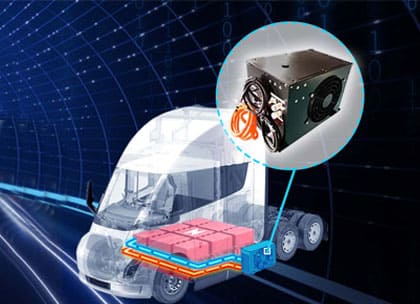
Per un progetto di camion elettrico leggero, il cliente richiedeva una riduzione dell'ingombro del sistema di gestione termica della batteria (BTMS). Questo per fare spazio a un pacco batteria più grande e ad una cabina più spaziosa. Il nostro team di ingegneri ha proposto una soluzione dotata di una pompa dell'acqua esterna. Riposizionando la pompa dell'acqua all'esterno del modulo di raffreddamento della batteria principale, abbiamo ridotto il volume dell'unità BTMS principale di 18%, ottenendo un sistema più compatto.
Inoltre, perché la pompa dell'acqua è posizionata esternamente, i clienti hanno una maggiore flessibilità nella disposizione del veicolo. I progettisti possono regolare il layout in base alla posizione del sistema di gestione della temperatura della batteria (BTMS) rispetto alla batteria senza essere limitati da problemi di elevata compatibilità tra i componenti.
Informazioni aggiuntive: Perché la batteria non deve essere posizionata più in basso della pompa dell'acqua?
Durante le discussioni sulle configurazioni personalizzate, Spesso ci si chiede perché la batteria debba trovarsi sopra il livello della pompa dell'acqua. La risposta sta nel prevenire la cavitazione della pompa. Un fenomeno distruttivo in cui una bassa pressione in ingresso provoca la vaporizzazione del liquido refrigerante e la formazione di bolle. Queste bolle collassano violentemente contro la girante della pompa, superfici erosive, riducendo le portate, e portando a un fallimento prematuro. Insomma, il posizionamento della pompa più in basso e il posizionamento della batteria al livello della pompa o al di sopra facilita l'assistenza per gravità, aspirazione completamente allagata. Ciò impedisce la formazione di bolle e garantisce una circolazione stabile del liquido di raffreddamento. Prestare attenzione a questi dettagli riduce efficacemente il tasso di guasti post-vendita e migliora l'affidabilità del sistema.
Ultimi sviluppi nella gestione termica delle batterie dei veicoli elettrici (2026)
1. La tecnologia di gestione termica predittiva basata sull’intelligenza artificiale ha visto un’adozione diffusa. Questi sistemi prevedono i requisiti di carico termico con 10-15 minuti di anticipo in base alle rotte di navigazione, Abitudini di guida, e dati meteorologici, regolazione proattiva della frequenza del compressore e del flusso del refrigerante. Ciò riduce le fluttuazioni della temperatura della batteria del 50% e aumenta l'efficienza energetica di oltre 8%.
2. I refrigeranti ecologici stanno rapidamente sostituendo quelli tradizionali. Basso GWP (Potenziale di riscaldamento globale) refrigeranti, come R290 (propano), stanno diventando sempre più comuni. Con un GWP di soli 3 e capacità di trasferimento del calore superiori. Migliorano l'efficienza del sistema del 5%–8% nel rispetto delle normative ambientali globali sempre più rigorose.
3. L’industria si sta spostando verso la tecnologia di raffreddamento ad immersione. Un importante produttore cinese di batterie ha lanciato un modello con raffreddamento ad immersione "Batteria a lama". Integra le funzioni di raffreddamento direttamente nell'architettura del pacco, segnando un significativo passo avanti nella tecnologia di raffreddamento a livello di cella.
Riepilogo
Sia che tu abbia bisogno di un refrigeratore per batteria standard o di un refrigeratore per batteria per veicoli elettrici personalizzato, il nostro team di ingegneri è pronto a collaborare con te su una soluzione che soddisfi i tuoi obiettivi specifici. Contattaci per discutere di come possiamo rendere più efficiente il tuo prossimo progetto di veicolo elettrico, sicuro, e flessibile.
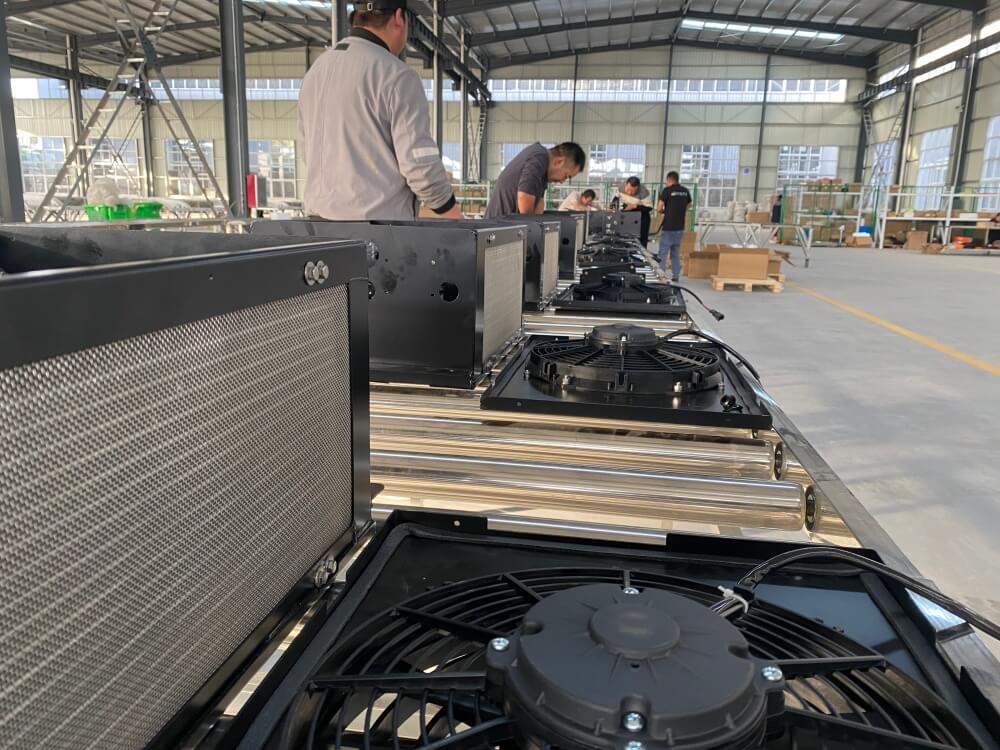
TKT è un fornitore BTMS designato per rinomati produttori automobilistici, compreso Fortune Global 500 società TATA e BYD Olectra. Da allora forniamo Tata 2019, e i nostri prodotti sono stati sottoposti a rigorosi test di simulazione, nonché a installazione e test nel mondo reale sugli autobus. I nostri prodotti offrono prestazioni stabili ed elevata efficienza di raffreddamento. Puoi contare su di noi.
Superiore 500 BYD & TATA’s Official SupplierDi più
Produttore cinese credibile specializzato in sistemi di gestione termica della batteria (BTMS), Condizionatori per autobus, Truck & RV A/C, e caricabatterie per veicoli elettrici.